Locations:





 Search
A distressed skin barrier can lead to red, itchy and scaly skin
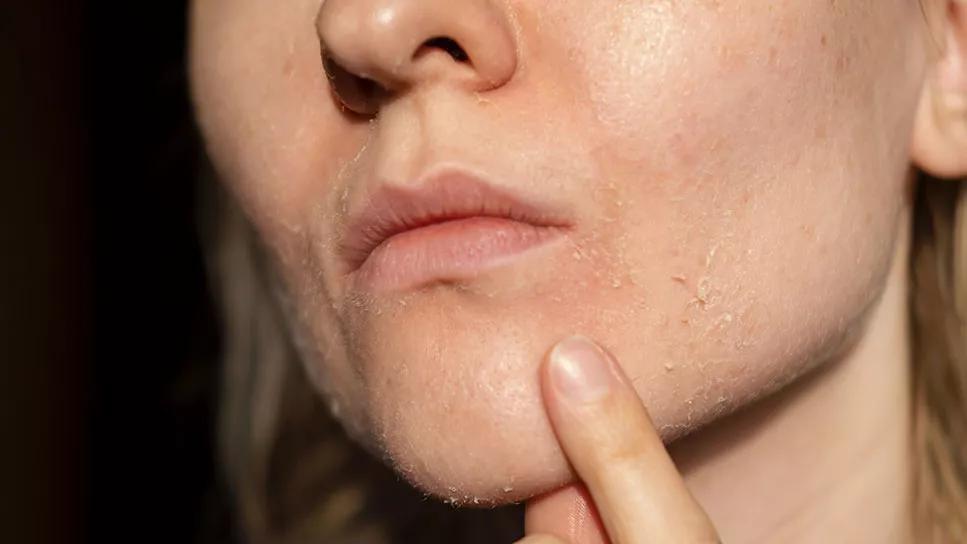
Image content: This image is available to view online.
View image online (https://assets.clevelandclinic.org/transform/0d9c72ff-6cdb-47c2-92cc-1fb8a108a5af/person-facial-winter-rash-1783774300)
person examining flaky skin on face
If it’s winter, your skin probably isn’t at its best. The cold, dry air outside and even the warm, dry air inside can leave your skin dry, itchy and scaly.
Advertisement
Cleveland Clinic is a non-profit academic medical center. Advertising on our site helps support our mission. We do not endorse non-Cleveland Clinic products or services. Policy
And in some cases, you can have what looks like a rash — red patches with bumps and even blisters. Could it be a winter rash? And what is a winter rash?
A winter rash happens when your skin barrier is distressed, thanks to a lack of moisture in the air and, therefore, moisture in your skin.
Everything from the blustery winter winds to taking hot showers can strip your skin of the moisture it needs to stay smooth and soft.
Dermatologist Amy Kassouf, MD, explains what can cause a winter rash and how to keep your skin moisturized in cold conditions.
Skin not feeling so great? You may have a winter rash if you have any of the following symptoms:
“Winter rash is most often characterized by ‘cracked’ looking skin with some redness and flaking,” explains Dr. Kassouf. “It certainly itches and can be more sensitive to the touch or when rubbing on fabrics and clothing. Bumps, blisters and swelling are more common when the skin has become secondarily infected or has become allergic to something in the environment. Both secondary effects happen more often when the skin barrier is disrupted.”
And where might winter rash pop up on your body? Can you have a winter rash on your hands?
Advertisement
“Winter rash can happen anywhere, though it’s most often seen on the extremities and areas most exposed to the environment and with the lowest density of sebaceous glands,” adds Dr. Kassouf.
That means you may see a winter rash pop up on:
So, what’s causing your winter rash?
“Winter rash is dry skin that has been exacerbated by cold and dry environmental conditions,” explains Dr. Kassouf. “It often happens more to people who have a more sensitive baseline or are older with more sun damage and fewer active oil glands.”
You may be more prone to winter rashes if you have a history of:
“Any inflammation or disruption of barrier function will prevent the skin from adapting to a cold and dry environment,” stresses Dr. Kassouf.
A winter rash can look very similar to eczema, but Dr. Kassouf says there’s a key difference.
“Eczema is more of an issue with immune sensitivity to the environment, but there are many features that overlap,” she clarifies.
And if you’re returning home from a winter break where you vacationed in a sunny, humid spot, you may also be more likely to experience a winter rash.
“Many people returning from lovely sunny vacations with sunburns and recent exposure to humid environments do seem to itch and flake more as they resume normal activities in a dry and cold environment,” says Dr. Kassouf. “Sunburned skin will slough the outer damaged layers, further disrupting skin barrier function and making winter rash worse.”
“A winter rash lasts until it’s properly cared for or until the humidity rises and the furnaces can stop working so hard,” says Dr. Kassouf.
You have a winter rash — so, how do you treat it?
No. 1 tip? Make sure you’re moisturizing after every shower or bath.
“The best thing to do with a winter rash is to improve barrier function of the skin. This often includes applying emollients — ointments and oils are richer than creams, which are richer than lotions,” advises Dr. Kassouf.
“Emollients that include ingredients such as urea, lactic or glycolic acid or hyaluronic acid to break up scales and bind water to the skin help hydrate as well as moisturize dry scaly skin.”
When it comes to other winter rash treatments, Dr. Kassouf says you should also consider using a humidifier and watch how high you’re cranking your home’s thermostat — the lower the temperature, the less likely your skin will become dried out.
And you also want to make sure you’re taking time for self-care, especially when it comes to the self-care of your skin.
“Stress and fatigue can limit self-care, decreasing how often we moisturize or care for our skin,” she notes.
But what if these at-home winter rash remedies aren’t helping? When should you see a doctor for your winter rash?
Advertisement
“If it’s waking you up at night and is itchy, weeping, crusting, swelling or if you have a fever,” says Dr. Kassouf.
How can you keep your skin less dry during the cold winter months? Dr. Kassouf says to do the following:
Advertisement
A winter rash can disrupt your life as you try to deal with red, itchy skin. But the good news is that most winter rashes can be treated at home by keeping your skin moisturized.
“Remember, your skin is the barrier between the harsh and contaminated outside world and all of your internal systems,” says Dr. Kassouf. “Taking care of your skin is vital to maintaining and improving your overall health.”
Advertisement

Sign up for our Health Essentials emails for expert guidance on nutrition, fitness, sleep, skin care and more.
Learn more about our editorial process.
Advertisement

These tiny saltwater larvae can get trapped under your swimsuit and trigger an itchy reaction called seabather’s eruption
Tough times can become even tougher if they leave an itchy rash on your skin

Injections of Botox can significantly reduce sweating for up to a year, especially in your armpits
Look for emollients, humectants and occlusives to hydrate, soothe and protect your skin

This multitasker can help keep your skin clear, support wound healing and disinfect surfaces around your home

This gentle facial cleanser removes dirt, oil and most makeup without drying out your skin
UVA rays from tanning beds increase your risk of skin cancer, wrinkles and eye damage

Persistent itching is usually caused by something harmless — but in some cases, it can point to certain cancers

Gradually increasing your training, choosing proper footwear and listening to your body can help keep shin pain from sidelining your workouts

Self-stimulating behaviors can help you self-regulate or cope with intense emotions

At-home remedies may help calm symptoms and make it easier to relax at bedtime











