Locations:





Great sources of this essential mineral include potatoes, squash, lentils and avocados
Potassium flies under the radar. Most people don’t think much about this unappreciated mineral, if they think about it at all. But it’s an important nutrient (essential, even), and you may not be getting nearly enough of it.
Advertisement
Cleveland Clinic is a non-profit academic medical center. Advertising on our site helps support our mission. We do not endorse non-Cleveland Clinic products or services. Policy
“Potassium is a mineral that plays a significant role in the function of your heart, kidneys, muscles and nerves,” says registered dietitian Anna Taylor, RDN, LD. “A diet that’s high in potassium-rich foods and low in sodium may reduce your risk of high blood pressure and stroke.”
Taylor shares a few top sources of potassium so you can work more of it into your diet. Your health — and taste buds — will thank you!
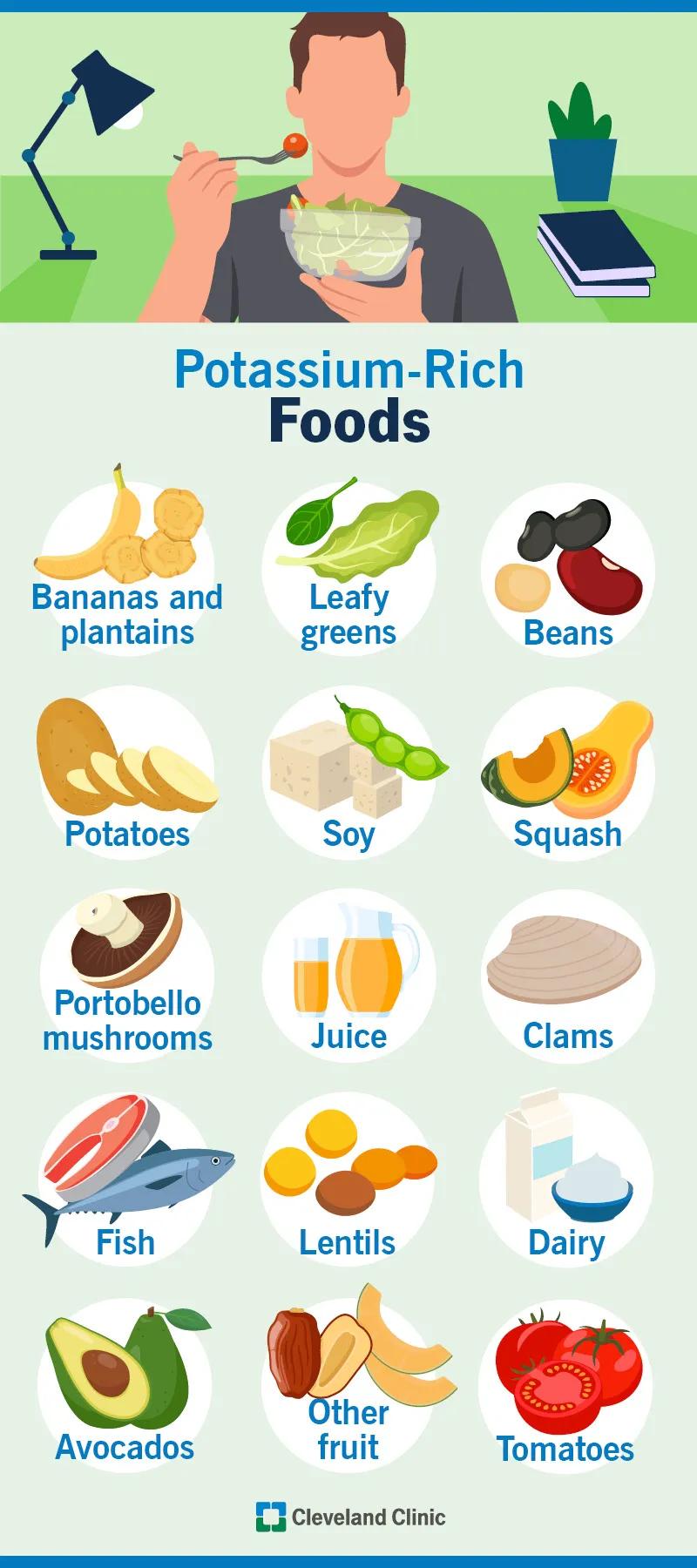
Image content: This image is available to view online.
View image online (https://assets.clevelandclinic.org/transform/e5f8df9a-3ec9-4ea1-bc73-f1f77cd91f36/potassium-foods-infographic)
The U.S. Food and Drug Administration (FDA) recommends 3,400 milligrams (mg) of potassium per day for men and 2,600 mg of potassium per day for women, though these guidelines don’t account for differences like height, weight and overall health.
So, what foods are high in potassium? Try these:
Bananas are one of the most well-known high-potassium foods, with one medium banana containing about 451 milligrams of potassium.
“Their close cousins, plantains, have even more of it, coming in at 663 mg per cup,” says Taylor.
Popeye had the right idea. One cup of the following types of cooked leafy greens packs a wallop of potassium:
“It’s easy to add leafy greens to just about any entree, from frittatas and omelets to salads, soups, casseroles and pastas,” says Taylor.
Advertisement
Beans are a great choice for getting your fill of potassium, along with fiber and other nutrients — though the amount varies depending on the type of bean you’re eating:
“If beans make you gassy, consider switching up the type you eat to find a variety that’s easier on your stomach. For example, black-eyed peas tend to cause less gas production than pinto beans,” suggests Taylor. “You can also soak dry beans overnight, which may help reduce gassiness.”
But the good news? When you eat beans regularly, your body adapts over time. Your gut microbiome will change, making it likely you will tolerate beans better and experience less gas production.
“Potatoes are good sources of potassium, as long as you leave their nutrient-rich skins intact,” Taylor clarifies.
A medium, skin-on baked potato contains more than 900 mg of potassium, while a sweet potato has more than 500 mg.
Soy and soy-based products have potassium, too, though again, the amounts vary depending on what you’re eating (or drinking). A half-cup of edamame has 338 mg of potassium, while a half-cup of soybeans has 443 mg.
“Tofu and soy milk have less potassium than the beans themselves, but they’re still good choices,” Taylor says.
Half a cup of raw, firm tofu made with calcium sulfate has 299 mg of potassium, while soy milk comes in at 146 mg of potassium per half cup.
Squash is a low-carb, high-fiber food that’s high in vitamin C and other nutrients.
“Acorn squash, in particular, is high in potassium, but it’s found in other forms, too,” Taylor says.
Here’s a rundown:
This popular form of fungus contains protein and fiber, making it a go-to vegan/vegetarian substitute for burgers. It’s also packed with potassium, with one cup of cooked portobello mushrooms clocking in at 529 mg of potassium.
These garden favorites have many health benefits. But they don’t have quite as much potassium as other types of fruit, with one medium-sized tomato containing 292 mg.
Concentrated tomato paste is even richer in the mineral, with more than 650 milligrams per quarter-cup. Pasta sauce, anybody?
Whole fruits and veggies are generally a more health-conscious choice than juice, though some forms of 100% juice do pack a potassium punch:
Advertisement
Still, Taylor says that she rarely recommends juice to adults.
“Whole fruit is nearly always a better option than juice due to the fiber content,” she states. “Juice is mostly just sugar water with a few vitamins and minerals.”
You can still get some vitamins and nutrients from 100% juice, but be careful with your portions, as they’re high in sugar and calories.
Keep this in mind the next time you head to a clambake: 20 small clams have a whopping 1,193 mg of potassium!
If you prefer the canned version, 3 ounces of canned clams will get you upward of 500 mg — more than any other type of seafood. Just be careful: Clams are often dipped in butter, which adds lots of calories and unsaturated fats.
Many popular types of fish have more than 400 mg of potassium in a 3-ounce filet:
But some types are better for you than others.
“It’s best to choose types that are high in omega-3 fatty acids and low in mercury, like wild-caught salmon,” Taylor advises. “It’s rich in protein and anti-inflammatory fats.”
Dietitians recommend three servings per week of three to four ounces of fish high in omega-3s, making it a foundational source of protein in healthy eating styles like the Mediterranean diet.
Advertisement
High in protein and fiber, this tasty little versatile legume is a nutrition powerhouse.
“There are lots of reasons why lentils are such a healthy choice, including the fact that half a cup of these cooked legumes has 366 mg of potassium,” says Taylor. “They’re great in soups, stews and rice dishes to help you stay full without breaking the bank.”
“Most people know that dairy is a super source of calcium, but it’s actually high in potassium, too,” Taylor points out.
When it comes to drinking, baking and cereal-eating, low-fat milk and skim milk are your best bets. But kefir (fermented milk) and plain yogurt are good choices, too, and they’re loaded with healthy probiotics.
Here’s how much potassium you’ll get per cup (for milk and kefir) or per 8-ounce serving (for yogurt):
Half an avocado contains about 364 mg of potassium — as if you needed another reason to reach for the guac!
“There are lots of fairly easy ways to work avocados into your diet, like throwing a few slices on a salad, taco or omelet or adding them to a smoothie,” Taylor suggests.
Advertisement
This list is full of fruits, but what about all the others? These all bring their fair share of potassium to the party, with more than 250 mg per half-cup serving of each:
Dried fruits like apricots, prunes and raisins aren’t too shabby either, but they come with a bit of a warning label from health experts.
“Be careful with dried fruits. They tend to be less filling, as they don’t have the water content of fresh or frozen fruit,” Taylor cautions. “In addition, many types of dried fruit have added sugar. Be sure to take a look at the nutrition label to make sure you’re choosing types that don’t have added sugar. Their small size makes it easy to eat more calories than you intended.”
Getting enough potassium helps your muscles, nerves, heart and kidneys function well. On the other hand, having low potassium levels can raise your blood pressure, increase the risk of kidney stones and even pull calcium from your bones.
“People tend to think about potassium only in relation to bananas, but there are so many tasty, convenient foods rich in potassium,” Taylor emphasizes. “Eat a balanced, varied diet to get the right amounts.”

Sign up for our Health Essentials emails for expert guidance on nutrition, fitness, sleep, skin care and more.
Learn more about our editorial process.
Advertisement
Understanding the connection between potassium and heart health

They’re both essential minerals, but they do different jobs in your body

This caffeinated South American tea contains antioxidants and other nutrients that may offer some health benefits
You can get a good amount of protein from eating lentils, beans, tofu, grains, seeds and nuts
Lean meats, fish, dairy and plant proteins can help you meet your protein needs without piling on saturated fat and sugar
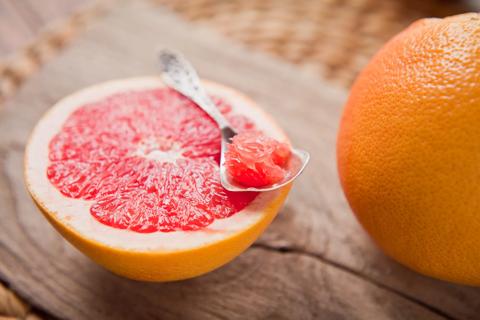
This citrus fruit delivers vitamin C, fiber and other nutrients that can support your heart, immune system and skin
Protein is essential in your diet, but piling more onto your plate isn’t always better
Matcha delivers antioxidants and other plant compounds in a concentrated form that may support your heart, brain and more

Most breast pain isn’t a sign of cancer, but certain symptoms deserve a closer look

It’s a myth that you should avoid sleep (or have someone wake up throughout the night) after a head injury

The color and shade of your urine offer a window to your health
 Search










