Locations:





Eat your fill of vitamins C, B6 and E, plus zinc and selenium
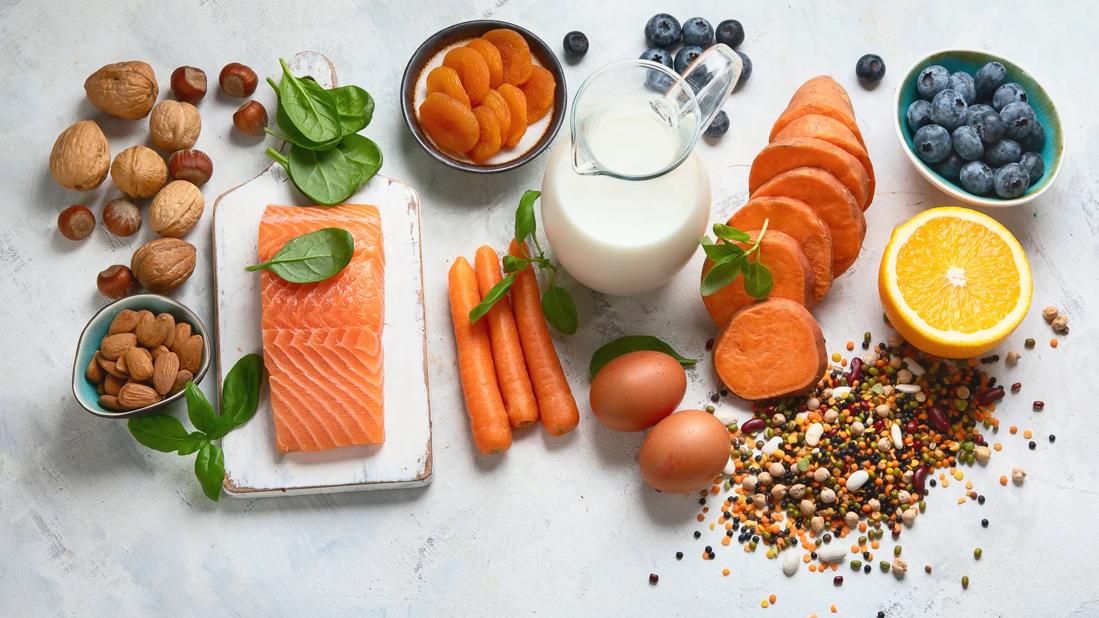
Image content: This image is available to view online.
View image online (https://assets.clevelandclinic.org/transform/de3bda53-59e5-4342-a45c-e64c72c1207d/foods-with-vitamins-1182014891)
Variety of vitamin- and mineral-rich foods, including salmon, eggs, milk, nuts, spinach and oranges
The old saying, “An apple a day keeps the doctor away,” may have some truth behind it, after all. Eating nourishing foods rich in certain vitamins and minerals can help your immune system fight off illness.
Advertisement
Cleveland Clinic is a non-profit academic medical center. Advertising on our site helps support our mission. We do not endorse non-Cleveland Clinic products or services. Policy
“A strong immune system bolsters your body against the common cold and the flu,” says registered dietitian Julia Zumpano, RD, LD. “It can also help you recover from injury and keep your energy level high.”
Zumpano shares the best minerals and vitamins for your immune system.
Vitamin A supports your white blood cells and the mucus membranes (protective linings that remove foreign particles) in your urinary tract, intestines and lungs. Research shows that this helps keep your immune system at its best by protecting it from potential infections.
Good sources of vitamin A include:
Vitamin B6 is vital to your immune system. One of its major roles is in producing white blood cells and T cells — the cells that help fight off invaders, like viruses and bacteria.
Good sources of vitamin B6 include:
Vitamin C is one of the best vitamins to boost your immune system. In fact, researchers say vitamin C deficiency can make you more prone to getting sick. Vitamin C acts as an antioxidant, meaning it can protect your body from toxins that cause inflammation.
Advertisement
Getting your intake of vitamin C on the regular is essential for good health because your body doesn’t produce it on its own. It also doesn’t store it for later.
Foods high in vitamin C include:
“The good news is that vitamin C is in so many foods that most people don’t need to take a vitamin C supplement unless a doctor advises it,” notes Zumpano.
Vitamin D doesn’t just help your body defend itself against infection. It also promotes healing. Studies show that vitamin D may delay a virus’s ability to replicate, reduce inflammation and increase your T cell levels.
You can get vitamin D from foods like:
“Your body naturally produces vitamin D when you’re in the sun. Daily exposure to direct sunlight is the best way to meet your needs of this essential vitamin,” says Zumpano. “There aren’t many whole foods that are good sources of vitamin D. This can make it difficult to meet your needs from food alone.”
Vitamin E is a powerful antioxidant that helps your body fight off infection. Research shows that vitamin E is one of the most effective nutrients for your immune function. That’s because it helps keep your T-cells working at peak performance.
Zumpano strongly encourages avoiding vitamin E supplements.
“Not only is there little clinical research showing that vitamin E supplements benefit your health, but they may also be harmful in some situations,” she warns.
Instead, load up your plate with vitamin E-filled foods, like:
Zinc is anti-inflammatory and an antioxidant. Researchers call it the “gatekeeper” of your immune system because it’s responsible for making all your immune cells function properly.
Foods to boost your zinc intake include:
Dietary selenium is a one-two punch for keeping you healthy. It not only activates your immune system when there’s a threat, but it also tells your immune system when to pump the brakes.
That means it can keep your immune system from going overboard, protecting you from chronic inflammation and autoimmune diseases, like rheumatoid arthritis, Crohn’s disease and psoriasis.
Good sources of selenium include:
While vitamin supplements can help fill the gaps in your diet, the best way to load up on essential nutrients is to get them straight from the source.
“Your body absorbs and uses vitamins and minerals better when they come from the foods you eat than from a supplement,” Zumpano stresses.
Advertisement
Plus, supplements aren’t monitored by the U.S. Food and Drug Administration (FDA). Some of them can have side effects, especially if you take them before surgery or with other medicines. Supplements can also cause problems if you have certain health conditions. And the effects of many supplements haven’t been tested in children, pregnant women and other groups.
For these reasons, experts say it’s best to get your vitamins and minerals through food rather than use supplements to improve your immune system.
If you think you need a supplement, Zumpano suggests talking with a healthcare provider first.
“They can help you understand whether a supplement is right for you,” concludes Zumpano. “They can advise you on how to get your fill of the nutrients your body needs.”
Advertisement

Sign up for our Health Essentials emails for expert guidance on nutrition, fitness, sleep, skin care and more.
Learn more about our editorial process.
Advertisement

The compound that gives chili peppers their kick may support your health — and even help relieve certain types of pain
This naturally occurring nutrient supports energy and heart health, but supplements aren’t necessary for everyone
They claim to boost energy and improve longevity, but there’s currently not enough research to confirm these benefits
Properly prepared, elderberries can be a safe and healthy part of a balanced diet — just steer clear of supplements
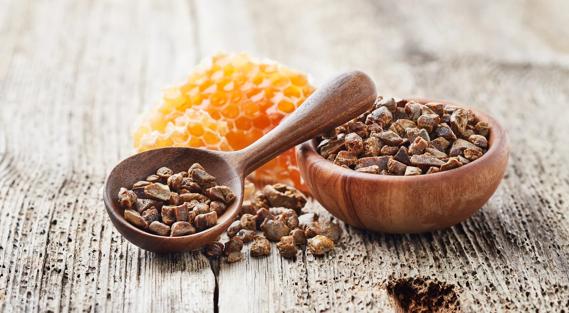
Science doesn’t support most claims about this bee byproduct, and supplements have potential risks

The meat-based elimination diet restricts important food groups — like fruits and vegetables — that keep you healthy
The vitamins, minerals and other nutrients in the food you eat are essential for a healthy heart, but supplements are another story
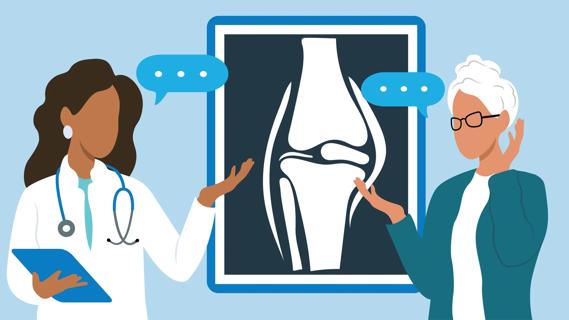
Calcium, vitamin D and magnesium are essential — but you should supplement under doctor’s orders

Most breast pain isn’t a sign of cancer, but certain symptoms deserve a closer look

It’s a myth that you should avoid sleep (or have someone wake up throughout the night) after a head injury

The color and shade of your urine offer a window to your health
 Search










