Locations:





 Search
How specialists tackle stubborn hypertension
What happens when medication doesn’t bring your high blood pressure under control?
Advertisement
Cleveland Clinic is a non-profit academic medical center. Advertising on our site helps support our mission. We do not endorse non-Cleveland Clinic products or services. Policy
A hypertension specialist looks at potential causes. Usually, it’s not just one single issue but various factors that contribute to the problem. Your doctor will work to figure out why – and from there, create a new plan of attack.
“Finding the right combination of medications for uncontrolled hypertension may require some trial and error,” says hypertension specialist George Thomas, MD.
In his work with patients, Dr. Thomas investigates possible explanations for difficulty in controlling blood pressures. These can include:
If you feel nervous about seeing a doctor, your blood pressure could spike at each appointment and give the false sense that your blood pressure is generally high.
Try arriving early at your appointment, then take deep breaths in the waiting room to relax. Work to manage your anxiety. The American Heart Association recommends that you sit quietly for at least five minutes before taking your blood pressure. Also, if you or your doctor suspect that it’s the actually the medical office itself spiking your blood pressure, you can talk about options.
With complicated dosing schedules, people can forget to take medications or not take the correct doses at the correct times.
Advertisement
Also, other drugs can interfere with blood pressure control, including pain relievers (NSAIDs), oral contraceptives and nasal decongestants. That’s why it’s good to bring all of your pill bottles, including over-the-counter medications or vitamins, to your appointments.
Sometimes, people make mistakes in testing at home. Bring your home unit to your appointment and show it to your doctor to make sure it’s operating correctly. Make sure your arm cuff is the right size for you. When you take readings at home, start by sitting quietly for five minutes. Then, be sure your back is supported, your feet are on the ground, and your arm is at heart level to get an accurate blood pressure reading.
Misreadings can also happen at your doctor’s office, says Dr. Thomas. The cuff might be the wrong size, or they might be taking a reading before you’re fully at rest.
To get a more accurate reading, Dr. Thomas takes six blood pressure readings in a row, each one minute apart, using an automated blood pressure machine. He or his staff observes the first reading but then you’re alone in the room for the remaining five readings. They use the average of the last five readings to get the result.
Dr. Thomas recommends the low sodium DASH diet for patients with hypertension — lots of fruits, veggies, whole grains and lean protein, with an ideal goal of no more than 1.5 grams of sodium each day. You should check with your doctor if the DASH diet is appropriate for you.
You may not use the salt shaker, but perhaps you’re eating processed foods or using canned foods that contain high levels of sodium. Registered dietitians can show you how to spot sodium in nutrition labels to better manage your intake.
“Many people tell me they don’t add salt to their foods, and that’s great,” says Dr. Thomas. “But they often don’t realize how much sodium is already in the foods they eat.”
To help lower your blood pressure, work to lose weight, increase your physical activity and moderate your alcohol consumption as needed. If you smoke and can quit, it will lower your overall cardiovascular risk.
Dr. Thomas often tests for vascular or hormonal issues that could be influencing a person’s uncontrolled hypertension, as well as thyroid problems or obstructive sleep apnea (OSA).
Dr. Thomas says that for most people. your blood pressure shouldn’t be higher than 130/80 mmHg, according to the new hypertension guidelines. Resistant hypertension is blood pressure above the goal despite being on at least three different blood pressure medications at optimal doses.
“Each of those three medications should be from different classes, with one being a water pill,” Dr. Thomas says.
Advertisement
He says studies indicate that about 12% of patients meet those criteria.
If you have high blood pressure that isn’t responding to medication, your doctor may refer you to a hypertension specialist recognized by the American Society of Hypertension, Dr. Thomas says, as these cases often require in-depth testing and highly tailored treatment.
Once you have a specialist, they will investigate and create a personalized treatment plan for attacking stubborn hypertension.
“Everyone is different, and every treatment decision is an individual one,” he says.
Advertisement
Sign up for our Health Essentials emails for expert guidance on nutrition, fitness, sleep, skin care and more.
Learn more about our editorial process.
Advertisement

Foods high in potassium, calcium and vitamins C and E can help lower your blood pressure
Making lifestyle changes can help reduce your blood pressure, but taking cinnamon supplements probably isn’t one of them
Hypertension strains your heart and blood vessels, causing damage that can contribute to heart attacks
The little blue pill might help with physical arousal, but there are better treatments for low libido in women

Most antihistamines, like Zyrtec, are OK, but avoid decongestants for at least the first trimester
This diabetes medication can treat obesity, but it’s not for people who just want to drop a few pounds
Weight loss may cause loose, sagging skin and muscle loss to your rear
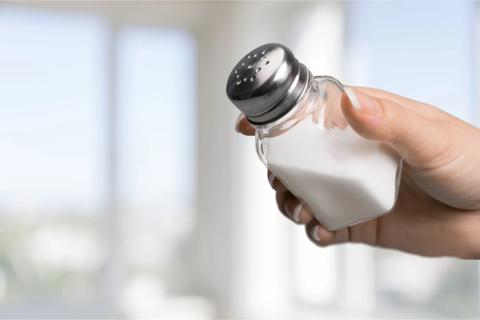
Eating too much salt can put extra pressure on your blood vessels and heart
Even small moments of time outdoors can help reduce stress, boost mood and restore a sense of calm

A correct prescription helps your eyes see clearly — but as natural changes occur, you may need stronger or different eyeglasses

Both are medical emergencies, but they are very distinct events with different causes











