Locations:





Take a soak to soothe sore muscles
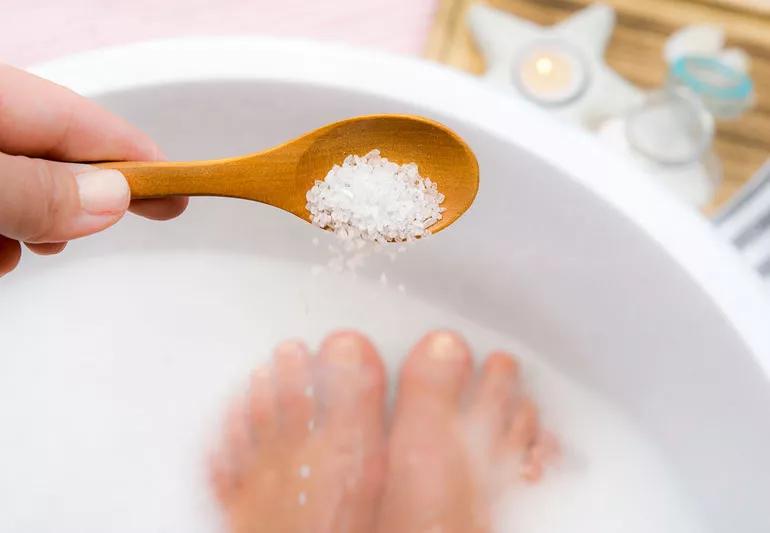
Image content: This image is available to view online.
View image online (https://assets.clevelandclinic.org/transform/c6cd1015-b2f3-4ed9-81f4-64d2cfc6fe80/epsomSaltsFootBath-1136456975-770x533-1_jpg)
epsom salts foot bath
Integrative medicine is a branch of healthcare that focuses on treating both the mind and body and exploring how they are closely connected. Some of the treatments and practices used by integrative medicine’s holistic approach include acupuncture, hypnotherapy and reiki.
Advertisement
Cleveland Clinic is a non-profit academic medical center. Advertising on our site helps support our mission. We do not endorse non-Cleveland Clinic products or services. Policy
Another tool that integrative medical specialists often recommend for its physical and mental health benefits is Epsom salt. While no clinical trials have confirmed the benefits of Epsom salt, many healthcare providers promote it for its ease of use, reasonable price and minimally invasive delivery. To learn more, we turn to integrative medicine specialist Naoki Umeda, MD.
Epsom salt is one of many naturally occurring mineral salts, a compound of magnesium and sulfate in rock-like formations. The name “Epsom salt” is a nod to the town of Epsom, located a stone’s throw away from London in England, where the salt was supposedly discovered about 400 years ago.
While it resembles table salt, it has a very bitter taste and isn’t really meant to be consumed. Most users dissolve it in a warm bath for a soak with the hope of relieving stress or sore muscles.
The idea is that when you pour Epsom salt into warm water, it dissolves the magnesium and sulfate and allows it to be absorbed into your body through your skin. Centuries of user testimonials claim wonderful benefits from using Epsom salt this way.
Scientific research, however, isn’t quite as vocal in its support. There are no definitive studies showing that magnesium can be absorbed through your skin in sufficient amounts to address potential deficiencies of the mineral. And what research has been done offers skepticism.
Advertisement
Still, integrative medical experts commonly recommend Epsom salt to people with muscle pain and mental stress. If you want to try it for yourself, the process is pretty simple and light in risk.
When purchasing Epsom salt, look to buy a product that’s 100% magnesium sulfate.
Despite the lack of available scientific data, tales about the healing power of Epsom salt have been circulating for centuries, says Dr. Umeda. Users typically dissolve Epsom salt in bath water to release magnesium and sulfate ions and reap the benefits.
While some experts suggest that stress relief comes from the warm bath itself, others believe Epsom salt helps stabilize mood and relieve stress, anxiety and depression. In fact, some claim that taking magnesium increases serotonin (happiness or relaxation hormone) production in your brain.
Epsom salt is used to relax muscles and relieve pain in the shoulders, neck, back and skull. For example, by relaxing the muscles surrounding your skull, the magnesium in Epsom salt may help release a headache or migraine. This benefit can also aid sore muscles in the recovery period after a workout.
Some experts also think that magnesium is good for reducing inflammation in internal organs. This may help reduce the risk of cardiovascular disease and improve digestion/bowel movement.
Generally, there aren’t any — but there are some instances where caution is advised, says Dr. Umeda. Epsom salt baths aren’t recommended for people with:
Additionally, drinking Epsom salt — as some online “detox” plans tout — can cause serious side effects such as severe diarrhea, cautions Dr. Umeda. There aren’t any studies proving that taking Epsom salt orally is safe or beneficial. Taking it orally can lead to sudden and dramatic changes in bowel behavior; this, in turn, can be very dangerous and cause dehydration and discomfort.
If you’re curious about Epsom salt baths or have any concerns, check with your healthcare provider before using Epsom salts.
Advertisement
Advertisement

Sign up for our Health Essentials emails for expert guidance on nutrition, fitness, sleep, skin care and more.
Learn more about our editorial process.
Advertisement

Antibacterial soap hasn’t been shown to be any more effective at killing germs than regular soap and water

Your dollar bills, coins and cards are covered in germs — but they’re very unlikely to make you sick

Bathing once a day is the general guidance, but you could also have reasons to soap up twice a day or not at all

You’re sharing your sheets with dust mites, bacteria and lots of dead skin, so you’ll want to keep your bedding fresh
You may notice itching, redness and swelling after wearing or using laundered items
An icy blast may boost mental clarity, increase circulation and give your skin a little glow — but don’t overdo it

Researchers found potentially harmful germs on 95% of wristbands

Wash your bath towels at least once a week, and washcloths at least twice a week

Most breast pain isn’t a sign of cancer, but certain symptoms deserve a closer look

It’s a myth that you should avoid sleep (or have someone wake up throughout the night) after a head injury

The color and shade of your urine offer a window to your health
 Search










