Locations:





 Search
Know which drugs can affect bladder control
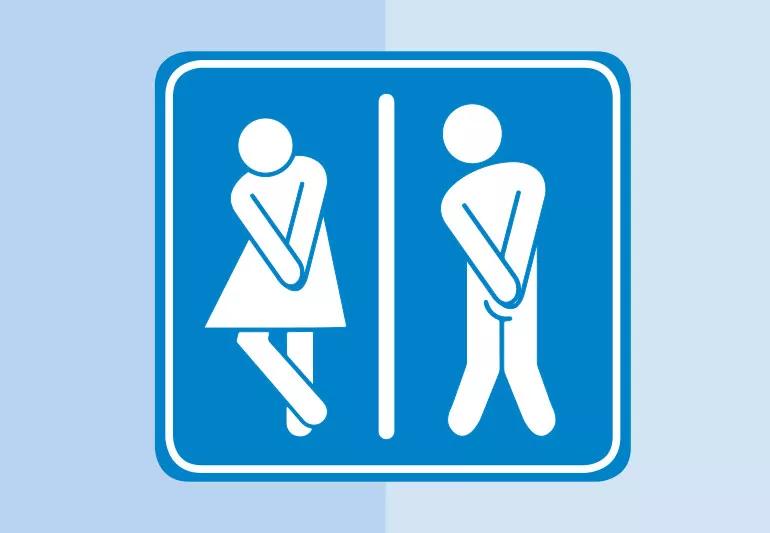
Image content: This image is available to view online.
View image online (https://assets.clevelandclinic.org/transform/28c3c323-180a-4f97-93e7-579daf0f3d8a/incontinance-1091779404-770x553_jpg)
restroom icons with incontinance issues
If you’re struggling with urinary incontinence, or if your existing incontinence seems to be getting worse, take a look at the medications you’re taking. They may be contributing to the problem.
Advertisement
Cleveland Clinic is a non-profit academic medical center. Advertising on our site helps support our mission. We do not endorse non-Cleveland Clinic products or services. Policy
There are four groups of medications commonly recommend by doctors that can cause or increase loss of bladder control. If you’re taking any of these, let your doctor know about the issues you’re experiencing and discuss your medications (both prescription and over-the-counter) to see if there’s another approach that could control or eliminate the problems.
The most common incontinence problems arise from medications in the following four categories:
According to urologist Raymond Rackley, MD, approximately 20% of the U.S. population suffers from overactive bladder symptoms. “Many of those patients also have high blood pressure or vascular conditions, such as swelling of the feet or ankles,” he says. “These conditions are often treated with diuretic therapies that make their bladder condition worse in terms of urgency and frequency.”
Diuretics, also known as water pills, stimulate the kidneys to expel unneeded water and salt from your tissues and bloodstream into the urine. Getting rid of excess fluid makes it easier for your heart to pump.
There are a number of diuretic drugs, but one of the most common is furosemide (Lasix®).
If you take diuretics, make sure you follow your doctor’s prescription instructions exactly. As an alternative to water pills, Dr. Rackley recommends restricting salt in your diet and exercising for weight loss. Both of these can reduce salt retention and hypertension naturally.
Advertisement
A class of drugs used to reduce high blood pressure or hypertension by dilating your blood vessels can also cause problems. These medicines are known as alpha blockers. Some of the most common are doxazosin mesylate (Cardura®), prazosin (Minipress®) and terazosin (Hytrin®).
These usually cause more issues for women. Again, discuss this with your physician, because there are alternative drugs you may be able to take.
Men typically take alpha blockers to treat an enlarged prostate (benign prostatic hyperplasia, or BPH), which can restrict urination by putting pressure on the urethra. By relaxing the muscles in the bladder neck, these drugs allow smoother urine flow for those men.
Some antidepressants and pain medications can prevent the bladder from contracting completely so that it does not empty. That gives rise to issues with urgency or frequency. They can also decrease your awareness that you need to go to the bathroom.
“Some of these drugs can also cause constipation,” Dr. Rackley says. “Constipation, in turn, can cause indirect bladder incontinence, because being constipated takes up more room in the pelvis that the bladder needs to expand.”
Using sedatives and sleeping pills can present a problem, especially if you already have incontinence. They can decrease your awareness of the need to go to the bathroom while you are sleeping.
The best way to address this situation, Dr. Rackley says, is to take other steps to relax and improve your sleep. Getting more exercise to make you tired, for example, can help. It’s also important to maintain a regular bedtime and wake-up schedule. Finding other ways to relax before bed — meditation, reading a book or listening to soothing music or sound effects — can also help you sleep better.
Advertisement

Sign up for our Health Essentials emails for expert guidance on nutrition, fitness, sleep, skin care and more.
Learn more about our editorial process.
Advertisement
Latchkey incontinence is common, but you can find relief with bladder retraining and other treatments

Before you run out and buy this specialty underwear, there are treatment options to try first, like pelvic floor therapy and medication

Exercises and medical treatments can help you regain control of your bladder
Exploring an available OTC option

The common household medication isn’t a solution for hypertension — and regular use comes with risks
These moisture sensors can help kids’ brains and bladders make the connection needed to end overnight accidents
Most kids grow out of bedwetting over time, but certain strategies can help — including having them evaluated for other medical conditions

Keeping your windows closed, showering before bed and using OTC allergy meds may help keep summer sniffles at bay

Your chronotype reflects when your body naturally wants to sleep and wake — and why your energy peaks when it does

This type of test can spot problems early, but it can come with tradeoffs, like false alarms, high cost and added stress
Stretching won't increase your height, but it can help you stand taller











