Locations:





 Search
These versatile little fruits are full of powerful antioxidants that can help fight cell damage, manage cholesterol, boost body functions and more
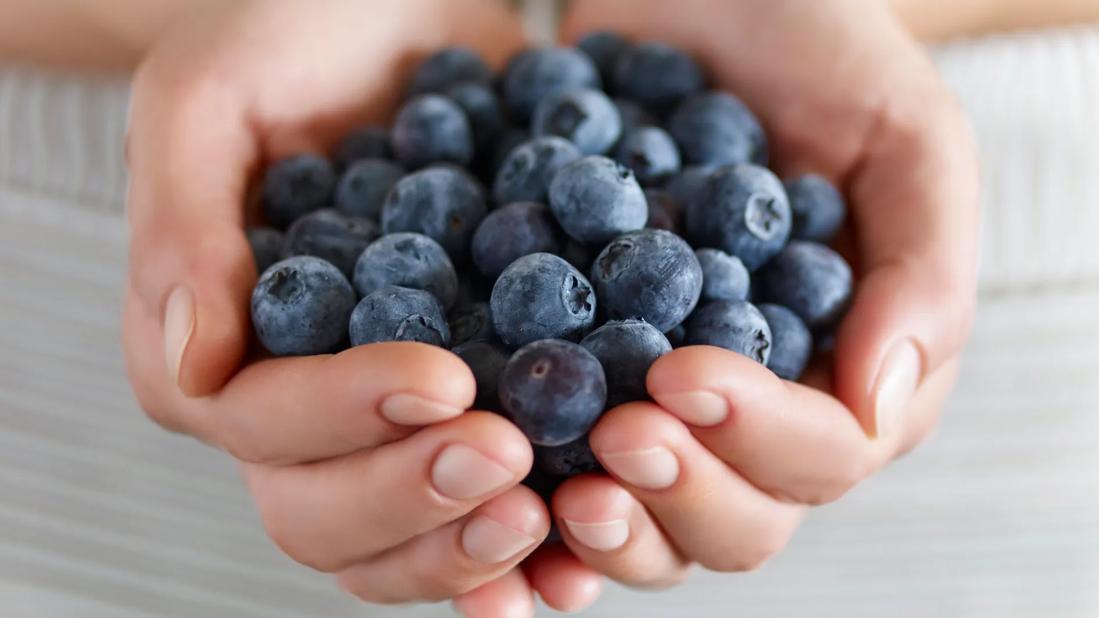
Image content: This image is available to view online.
View image online (https://assets.clevelandclinic.org/transform/3080d5f0-3445-4eed-bc5a-e01cb75fe2f5/blueberries-1401602593)
Person cupping blueberries in their hands
In the summer, there’s nothing quite like digging into a bowl of fresh, juicy blueberries — and these delicious, tiny fruits pack a big nutritious punch.
Advertisement
Cleveland Clinic is a non-profit academic medical center. Advertising on our site helps support our mission. We do not endorse non-Cleveland Clinic products or services. Policy
Registered dietitian Julia Zumpano, RD, LD, has the scoop on the benefits of eating blueberries.
For such a little berry, this fruit sure does pack a healthy wallop. One cup of raw blueberries provides:
The same amount of blueberries provides these nutrients:
“Blueberries are one of the healthiest fruits for you,” Zumpano says. “Studies show that they help protect against damage to your DNA, among other benefits.”
Here are a few reasons why blueberries are such a healthy option.
“In addition to being low in calories, blueberries are nutrient-dense,” Zumpano points out. They’re good sources of the following:
Unstable oxygen molecules called free radicals can cause oxidative stress and damage cells. But blueberries are rich in antioxidants that help fight these free radicals.
“Antioxidants are key to reducing the impact of oxidative stress,” Zumpano says. “They create a barrier or a shield around the cells to help protect them from being damaged.”
Advertisement
Specifically, blueberries are high in antioxidants called anthocyanins, which also give them their deep blue hue.
Blueberries are high in soluble fiber, which can help manage cholesterol levels. How, exactly? Soluble fiber binds to the bile in your gut and helps remove it from your body.
“Bile is waste made up of substances like cholesterol, salts, metals and bilirubin,” Zumpano explains. “Removing that bile can lead to a reduction in total cholesterol, which helps reduce your overall risk of heart disease.”
Blueberries are high in fiber and lower in sugar when compared to other fruits. They have a low glycemic index of just 53 — so they don’t cause your blood sugar to spike.
One study of men living with Type 2 diabetes found that eating blueberries daily lowered certain factors related to heart health, like triglycerides.
“Scientists think blueberries may help with blood sugar management, especially for people at risk for diabetes,” Zumpano says. “But a 2016 review concluded that more research is needed to understand how they affect insulin resistance.”
Blueberries may play a role in maintaining healthy blood pressure levels.
A 2019 study found that in people with metabolic syndrome, daily blueberry intake was associated with improvements in blood pressure.
“Eating blueberries helps reduce blood pressure in people who have metabolic syndrome because it helps your body produce more nitric oxide, which relaxes your blood vessels,” Zumpano explains.
Blueberries are so healthy that there’s really no downside. Just don’t forget to wash them before eating, especially if you buy fresh non-organic varieties. Zumpano suggests soaking them in lemon juice for a couple minutes, and then draining and rinsing them before eating.
If you’re short on time, organic frozen berries are a convenient and often more affordable option. Either way, Zumpano says, uncooked blueberries are your healthiest option.
“Antioxidants can be harmed by heat,” she notes. “Heat won’t affect the fiber or the vitamins and minerals. But it can change the antioxidant content.”
So, to get the most benefit, skip the muffins and pancakes and instead enjoy blueberries in smoothies, snacks or salads. These delicious, versatile berries will have you feeling anything but blue!
Advertisement

Sign up for our Health Essentials emails for expert guidance on nutrition, fitness, sleep, skin care and more.
Learn more about our editorial process.
Advertisement
Nondairy milks like soy, oat and almond can offer many benefits, but the key to choosing one depends on your nutritional needs and taste preferences

These sweet red berries benefit your memory, boost your immune system and keep your heart healthy

These tasty little fruits can help fight inflammation, improve digestion and stabilize blood sugar
This legume is a good source of plant protein and fiber
The superfood is high in vitamin C and can help improve your digestion and boost your immune system
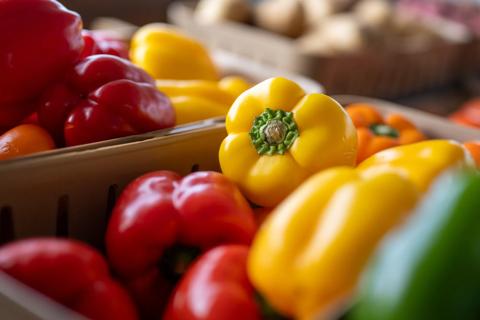
Pick bell peppers to help fight cancer, memory decline and joint pain

The tropical fruit is a good source of antioxidants and vitamin C

High amounts of cholesterol and saturated fat in red meat may be linked to heart disease

This ‘harm reduction’ approach to sobriety involves subbing one substance for another — a method that isn’t backed by research

Educate your child about body image, expectations and skin care first

A true chlorine allergy is extremely rare — it’s far more likely that you have a damaged skin barrier











