Locations:





Practices range from simple lifestyle changes to extreme experiments — and not all approaches come with the same level of risk
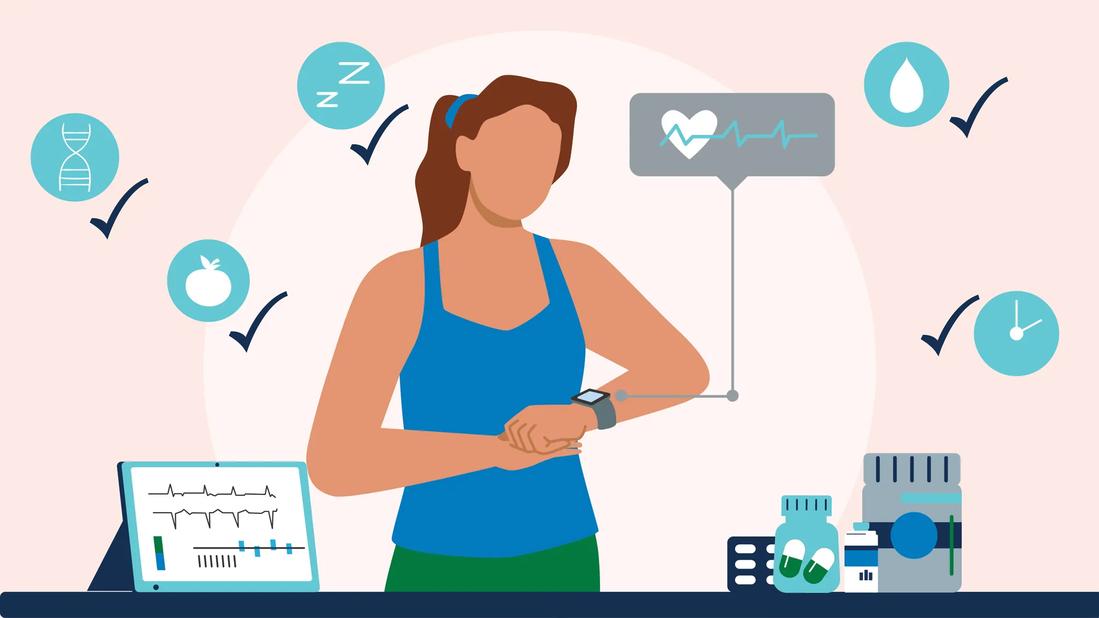
Image content: This image is available to view online.
View image online (https://assets.clevelandclinic.org/transform/5c3b1b6e-7ab3-44ae-8bdd-782b3c75a610/biohacker-control-health-1469102439)
Person checking their health stats on their smartwatch, with checked off health goals, biohacking
“Biohacking” has become a buzzword in wellness, longevity and tech circles. But what does it actually mean? And should you give it a try?
Advertisement
Cleveland Clinic is a non-profit academic medical center. Advertising on our site helps support our mission. We do not endorse non-Cleveland Clinic products or services. Policy
“Biohackers are looking to optimize their health and performance,” says functional medicine specialist Melissa Young, MD. “So, biohacking is about looking at methods, or ‘hacks,’ that can help them do that.”
Dr. Young explains what biohacking is, why people are drawn to it and what to know if you’re thinking about giving it a go.
Biohacking isn’t one single practice. It includes a range of strategies to try to improve how you feel or function, from simple lifestyle tweaks to more experimental approaches.
“Biohacking is the art and science of maximizing human health, performance and longevity by ‘hacking’ our biology,” Dr. Young explains. “At its core, it’s about making intentional changes in your lifestyle, environment and/or body.”
That can cover a wide range of behaviors — from everyday habits, like how you eat, sleep and manage stress, to more extreme, unproven practices. Some of these practices are simple and evidence-based, while others are experimental and not proven by science.
Understanding the different types can help you tell what’s relatively low-risk — and what deserves more caution.
This category of biohacking includes practices that are considered the safest and most common. It includes habits that may already be a part of your life, even if you don’t think of them as “biohacks.”
Advertisement
Lifestyle-based biohacking can include practices like:
“The behaviors themselves aren’t new,” Dr. Young clarifies. “But they become ‘hacks’ when you intentionally turn to them to help optimize your body and your health.”
An important note: Though this category of biohacking habits is typically considered safer than some of the other categories, it’s always best to talk to your healthcare provider ahead of time to be sure they’re safe for you.
Biohacking frames food as information that affects how the body functions at a molecular level. This is called nutrigenomics — the science of how genes and nutrition interact.
“Through what we eat, we have the ability to alter, to some extent, what our genes are doing,” Dr. Young says. “Nutrigenomics is about exploring how we can use nutrition to turn certain genes ‘on’ or ‘off.’”
That doesn’t mean food literally rewrites your DNA. But it does mean that what you eat can influence how certain genes behave, including those tied to inflammation, metabolism and overall health.
For example, Dr. Young explains that eating ultra-processed foods can “switch on” genes for inflammation, which increases the risk of chronic diseases. On the other hand, following a whole foods, plant-based diet switches on genes that help lower inflammation.
Some biohackers turn to supplements to boost their brain function or energy levels. Categories of biohacking-related supplements include:
But caution is critical.
“It’s always important to look at what the science actually says about using supplements for your symptoms and goals,” Dr. Young emphasizes. “You never want to get into a situation where you’re taking unproven supplements, especially en masse.”
Advertisement
She adds that supplements are unregulated by the U.S. Food and Drug Administration (FDA). And supplements are often marketed with false or inflated claims about what they can do. What’s more, some supplements can interact negatively with one another and with medications. So, again, it’s always important to talk to your healthcare provider before starting new ones.
Technology plays a growing role in biohacking, especially when it comes to tracking and optimizing your health.
“Wearable devices, health apps and other types of technology can make it easier to track metrics like sleep, stress and activity,” Dr. Young points out. “This kind of tracking can offer meaningful insight into topics like sleep quality and quantity, and heart rate variability related to stress.”
Here’s a look at some popular biohacking tools:
Advertisement
When it’s used thoughtfully, this data can help you make informed decisions.
“These types of technology may help you learn more about how your body works and what things may help improve it,” Dr. Young says. “And for some people, understanding how your body is changing can be very motivating.”
So-called “grinder biohackers” try to enhance their physical and mental performance by making physical changes to the body through electronic, magnetic or chemical means.
But what does that really mean? Grinder biohackers may, for example:
If grinder biohacking practices sound like something out of a sci-fi film, well, you’re not too far off.
“Grinder biohacking works toward the philosophy of transhumanism, or the belief that technology can evolve the human race beyond its current capabilities,” Dr. Young explains.
But none of these practices are medically or scientifically proven. And they may do more harm than good.
“These unproven therapies have the potential for extreme danger and impact on the body,” she warns.
Advertisement
Biohacking isn’t inherently dangerous — but that doesn’t mean it’s always safe either. The key is understanding where your biohacking approach falls on the spectrum of safety. And that means paying attention to whether those practices are backed by science.
Lower-risk strategies focused on lifestyle and diet are often evidence-based, with lots of research and data to back them. They may help you:
“Lifestyle-related biohacking practices can often help people learn more about their bodies, including what will help them be healthier, feel better and perform better,” Dr. Young says. “That’s always a good thing.”
But the risks increase as biohacking practices become more extreme and less evidence-based.
“There are a lot of false or inflated claims about supplements,” she reiterates. “And the unproven therapies associated with grinder biohacking have the potential for extreme danger and impact on the body.”
For most people, Dr. Young says that the biggest gains come from focusing on the basics.
“Nutrition and sleep are foundational,” she emphasizes. “Starting with simplicity — like improving sleep quality and choosing whole foods — is often the safest and most effective place to begin.”
If you’re considering biohacking, it’s a good idea to talk with your healthcare provider to make sure what you’re trying is safe for you.

Sign up for our Health Essentials emails for expert guidance on nutrition, fitness, sleep, skin care and more.
Learn more about our editorial process.
Advertisement

This modern twist on a traditional sauna may help support heart health, soothe sore muscles, manage pain and more

That unnerving sense that something terrible is about to happen can be a sign of serious distress — trust your gut
From hydration to meditation, little changes can yield big benefits

Cold-water immersion offers benefits like sore muscle relief, but the therapy comes with risks, too
These wearable devices can help you understand your body and stay active — but how you use them matters most
The process delivers nutrients quickly and efficiently, but research is limited on many claimed benefits
Hot tub sessions can help relieve stress, soothe sore muscles and improve heart health

Different types of yoga poses, meditation and breathwork may help you feel more emotionally balanced
Managing your weight through physical activity may lower your chances of getting this common cancer
It typically starts in October and winds down in early spring, with cases at their highest in the middle of winter
Anxiety disorders, health conditions and past trauma can make driving nerve-wracking — help is available
 Search










