Locations:





From hydration to meditation, little changes can yield big benefits
Social media can make living a “healthy lifestyle” seem impossible. Wake up at 5 a.m. Meditate for an hour. Live on salads and smoothies. Run all the marathons and be in bed by 8 p.m.
Advertisement
Cleveland Clinic is a non-profit academic medical center. Advertising on our site helps support our mission. We do not endorse non-Cleveland Clinic products or services. Policy
But building healthy habits doesn’t have to be all-consuming. Making little changes to your daily routine can add up to big progress.
Exercise physiologist Christopher Travers, MS, and registered dietitian Julia Zumpano, RD, LD, suggest 10 low-effort, high-impact nutrition and fitness habits to help you feel your best.
Building healthy habits is important because small, everyday behaviors can have a compounding effect on your health over time. And learning how to make lifestyle changes now will come in handy when life gets busy or if health concerns crop up.
Maybe you’ve heard that it takes 21 days to make a new behavior part of your routine. It’s a myth. Research shows that it depends on the habit and the person doing it. It can take as little as a few weeks or as long as a year for an action to become second nature.
To build healthy habits that stick, start with small, achievable goals, and build on them over time. And remember: You don’t have to be perfect. Health isn’t all-or-nothing, and every day is a new chance to make good choices.
Travers and Zumpano recommend starting here.
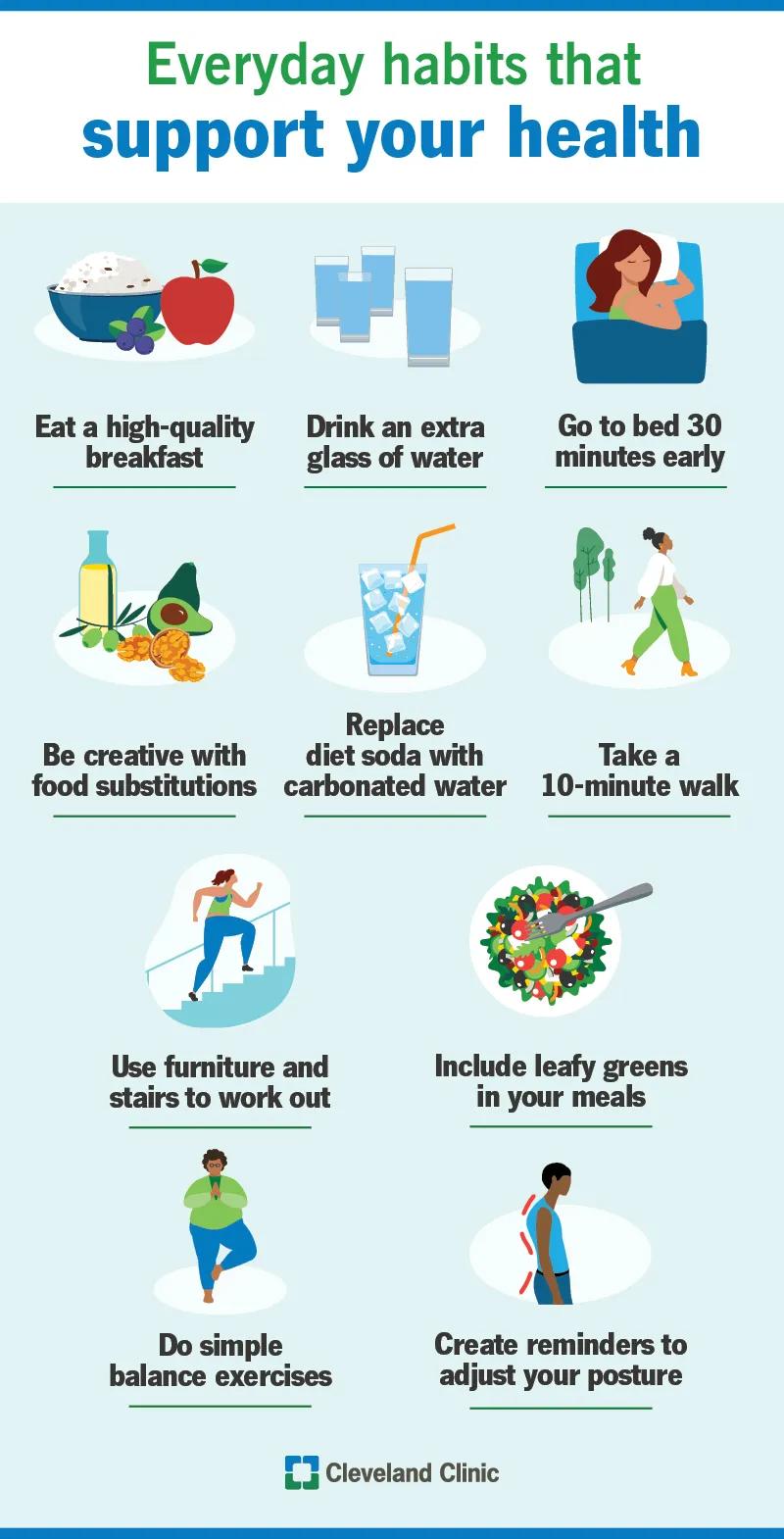
Image content: This image is available to view online.
View image online (https://assets.clevelandclinic.org/transform/31997ef1-928c-4d80-81cb-f4d21fb4ecc1/HealthyHabits-infographic-800x1570-final)
When you eat nutritious food first thing in the morning, it sets you up to make better choices all day long. And studies suggest that eating high-quality breakfasts may reduce your risk of developing cardiovascular disease.
Advertisement
What’s a high-quality breakfast? Zumpano recommends something high in fiber and protein.
“That combo will help you stay full and energized until lunchtime,” she says.
Lots of tasty meals fit the bill, like:
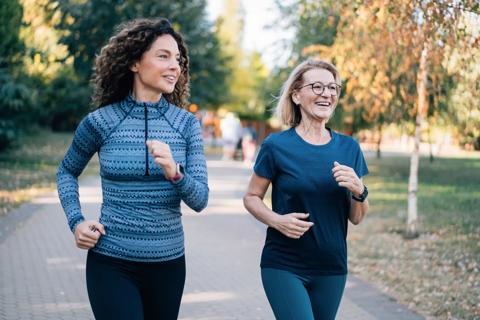
“Even a 10-minute walk can help boost your cardiovascular health,” says Travers. “Take a walk during your lunch hour or walk to the grocery store to buy a gallon of milk — it’s all good for you.”
Weather not cooperating? Meander around the mall! The steps add up no matter where you take them.
Drinking water is an important part of a healthy lifestyle. It:
Zumpano says just one extra glass a day can make a difference for your overall health. And remember: You can always sweeten the deal by flavoring your water with fruit.
If you have stairs at your home or office, take them every chance you get. For a better workout, walk up and down them repeatedly. Start with a few reps and increase them as you feel stronger.
Get even more creative by using a can of soup or a gallon of water as a weight and your kitchen chairs for planks and triceps dips.
Incorporate leafy greens into your meals to add nutrients and water to your diet. The fiber in lettuce and other greens helps fill you up, despite having only 20 calories in a serving.
“Greens that are dark green and reddish in color are the most nutritious and flavorful,” Zumpano says. “But even iceberg lettuce provides water, fiber and folate.”
Good posture reduces stress on your ligaments and improves muscular endurance. That means better balance, fewer aches and pains, and less fatigue.
You can’t fix poor posture overnight. But regular reminders to sit up straight will have a positive effect on your musculoskeletal health over time.
“Leave notes to sit up straight until it becomes an unconscious habit,” Travers suggests.
Instead of cutting your favorite meals and snacks out of your life completely, make some healthy swaps to improve their nutritional value. Zumpano recommends opting for:
Advertisement
Balance on one leg for 10 seconds at a time, flamingo style. Then, switch to the other leg and hold for 10 seconds. If your balance isn’t great, have a wall or chair nearby to steady yourself.
This maneuver is a form of neuromotor training. Travers says it helps improve your balance, agility and mobility.
“You can make activities like this part of your exercise routine, but you can also do them while brushing your teeth or standing in line at the bank.”
You might think that diet soda is a healthy choice. But research suggests that your brain reacts to artificial sweeteners much like it does to sugary sweets.
“Diet sodas can increase your desire for high-calorie foods and put you at risk for weight gain,” Zumpano reports. “If you drink diet soda each day, use carbonated mineral water to help wean yourself off it.”
Not a fan of carbonated water? Try:
Healthy sleep habits have an immediate and obvious impact on your physical, mental and emotional well-being. But many of us still struggle to rack up seven to nine hours of sleep a night.
Try heading to bed a half-hour earlier or sneaking in a 30-minute nap early in the day.
Travers and Zumpano agree: You’ll find it easier to maintain the other healthy habits on this list if your body and mind are well-rested.
Advertisement
Advertisement

Sign up for our Health Essentials emails for expert guidance on nutrition, fitness, sleep, skin care and more.
Learn more about our editorial process.
Advertisement

This modern twist on a traditional sauna may help support heart health, soothe sore muscles, manage pain and more

That unnerving sense that something terrible is about to happen can be a sign of serious distress — trust your gut
Practices range from simple lifestyle changes to extreme experiments — and not all approaches come with the same level of risk

Cold-water immersion offers benefits like sore muscle relief, but the therapy comes with risks, too
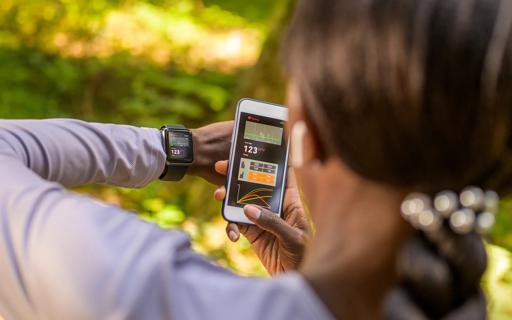
These wearable devices can help you understand your body and stay active — but how you use them matters most
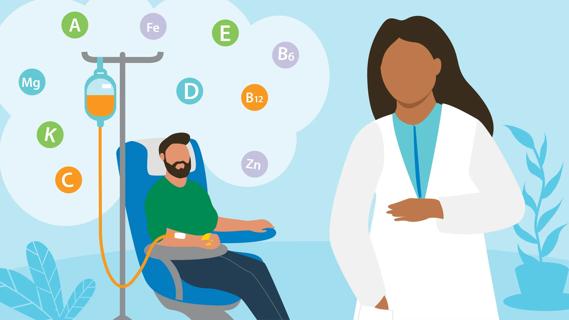
The process delivers nutrients quickly and efficiently, but research is limited on many claimed benefits

Hot tub sessions can help relieve stress, soothe sore muscles and improve heart health

Different types of yoga poses, meditation and breathwork may help you feel more emotionally balanced
Managing your weight through physical activity may lower your chances of getting this common cancer

It typically starts in October and winds down in early spring, with cases at their highest in the middle of winter

Anxiety disorders, health conditions and past trauma can make driving nerve-wracking — help is available
 Search










