Locations:


Stress doesn’t cause kidney stones, but your coping mechanisms might

Image content: This image is available to view online.
View image online (https://assets.clevelandclinic.org/transform/3db5c78b-214f-44af-9aea-91089dedd289/Stress-Kidney-Stones-2173781462)
Person sitting on couch in pain, hand on kidney area
You’re white-knuckling your way through a difficult chapter in your life — a divorce, a death, a cross-country move. So, naturally, you have a kidney stone. Why do they always seem to announce themselves at the worst possible time?
Advertisement
Cleveland Clinic is a non-profit academic medical center. Advertising on our site helps support our mission. We do not endorse non-Cleveland Clinic products or services. Policy
It could be a coincidence. Or bad luck. But what if it’s something more predictable? Can stress cause kidney stones?
We asked Tiffany Loboda, CNP, a certified nurse practitioner who specializes in kidney stone disease. Loboda explains the complicated relationship between kidney stones and stress.
Based on the current science, we don’t know if stress directly causes kidney stones. But we do know that chronic stress can prompt changes — in both your body and your behavior — that can raise your risk. Loboda explains how.
When stress levels get high, simple everyday habits like drinking enough water can fall by the wayside. But if you have a history of kidney stones, remember: Dehydration is enemy No. 1. That’s because crystals are more likely to form in highly concentrated pee. And over time, those crystals can grow into kidney stones.
“I can’t stress enough how important it is to stay hydrated,” Loboda says. “It seems so basic, but when you’re already distracted, it can be difficult to keep track of your fluid intake.”
In stressful times, what you drink might change, too. Dark colas are high in phosphoric acid, which may be associated with stone formation. And alcohol can contribute to dehydration.
Advertisement
When the pressure’s on, we tend to change our eating habits. Maybe you hit up a drive-thru or turn to microwave dinners when you’re short on time. Or maybe you grab your favorite ultra-processed foods when you need comfort from a long day.
“We know that dietary factors play a significant role in stone formation,” Loboda says. “If your diet changes, especially for an extended period of time, it has the potential to influence stone development.”
The good news? Even small changes to your eating habits can make a big difference. (More on how in a bit.)
Anyone can get kidney stones, but research suggests that people who are physically active may be at lower risk. Even if the act of exercising doesn’t directly reduce your odds of getting a kidney stone, it may help prevent stone development by:
Missing a workout or two during a stressful situation isn’t going to raise your risk of kidney stones. But if you stop exercising for several months, it could prompt changes to your diet, weight, hydration levels and more. And those changes might make stone formation more likely.
It’s not clear if stress hormones like cortisol and adrenaline directly influence kidney stone formation. But we do know that over time, chronic stress can contribute to health conditions that raise your risk of developing stones, like:
Scientists don’t yet have the data they need to prove that elevated stress hormones can cause kidney stones. But knowing chronic stress contributes to conditions that increase stone risk is reason enough to take stress management seriously.
If you’re navigating intense stress, the last thing you have the time or energy for is a big lifestyle change.
“Sometimes, we can only do as much as we can do,” Loboda acknowledges. “Nobody’s perfect all the time.”
So, instead of trying to optimize every element of your life, she recommends making small, sustainable tweaks that won’t take up too much mental real estate.
She suggests:
Advertisement
Loboda’s other advice? Show yourself the same compassion you’d show a loved one that’s going through a hard time. That means no beating yourself up over a stray bag of potato chips or the occasional missed workout.
“Sometimes, you need to do a little bit of self-care and listen to what your body needs,” she notes.
Here’s something that kidney stones and chronic stress have in common: You can’t always prevent them. But help is available.
“If you’re forming stones over and over again, but you’ve never taken the next step to ask, ‘OK, well, why am I actually forming stones?’ You need to have a proper workup,” Loboda advises. Your primary care provider can refer you to a urologist, if you don’t already have one.
You can also turn to your primary care provider if chronic stress is affecting your health or quality of life. They can connect you to mental health providers and other support services in your area.
Whether you’re grappling with chronic stress, kidney stones or both, remember: You don’t have to go through painful moments alone.
Advertisement

Sign up for our Health Essentials emails for expert guidance on nutrition, fitness, sleep, skin care and more.
Learn more about our editorial process.
Advertisement

Warmer temps, dehydration and increased physical activity can cause kidney stones that formed over the winter to move
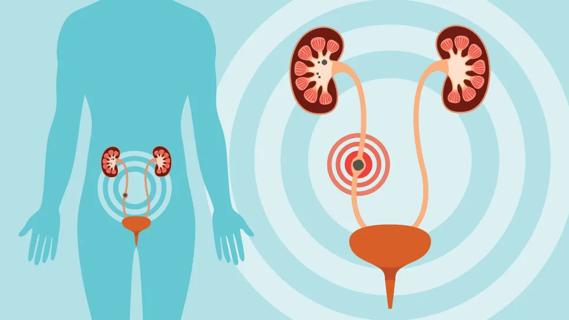
Passing a stone isn’t the same as peeing it out — and it’s not always the end of your symptoms
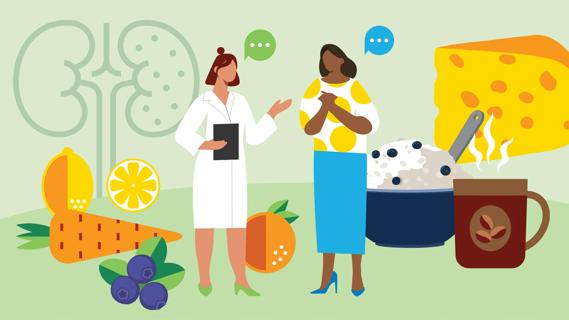
You can limit your risk of kidney stones by hydrating, eating calcium-rich foods, plus fruits and vegetables, and limiting meat, sodium and sugar
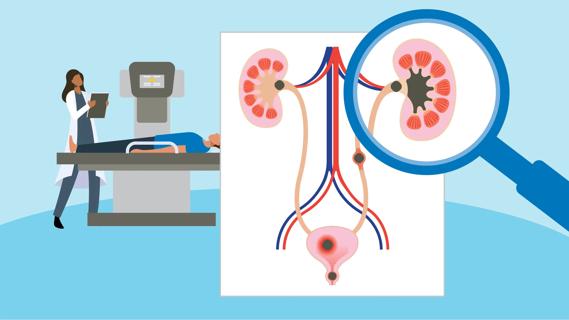
Food and drink choices, plus your weight and activity level, can all play a role
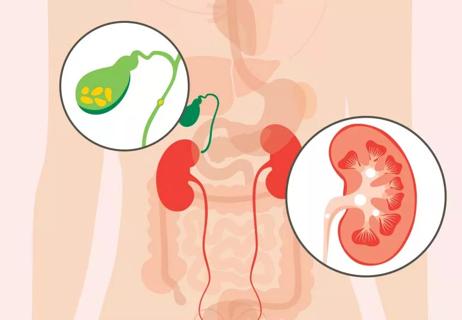
One is related to your urinary system, while the other is related to your digestive system

An overactive bladder, UTI, kidney stones or an enlarged prostate can affect how you urinate

Why kidney stones in kids are on the rise (and what to watch for)

Here’s how to tell if you’re experiencing a kidney stone
Research hints at improved strength, balance, blood flow and weight loss, but more evidence is needed

The blended oat beverage may help curb hunger, but it doesn’t work like a GLP-1
Teen cycles are often ‘off-cycle’ for the first few years
 Search