Locations:





 Search
Moderate exercise is still best for physical, mental health

Image content: This image is available to view online.
View image online (https://assets.clevelandclinic.org/transform/ec4907b9-899c-4076-9f73-1f301f255957/extremeEx-160018145-770x533-1_jpg)
woman runner taking a break
It’s well known that exercise is good for you, and with so many different types of workouts available to us today, just about anyone can find something that they love. But, some extreme athletes can push past healthy limits.
Advertisement
Cleveland Clinic is a non-profit academic medical center. Advertising on our site helps support our mission. We do not endorse non-Cleveland Clinic products or services. Policy
Chronic extreme exercise training and competing in endurance events can lead to heart damage and rhythm disorders. People with genetic risk factors are especially vulnerable.
That doesn’t mean you should put away the walking shoes, though.
“Moderate exercise is still the best prescription for good physical and mental health – and competitive athletes shouldn’t give up their training schedule just yet,” says cardiologist Tamanna Singh, MD.
All extreme athletes share a steely determination. However, can too much of that determination and grit hurt your heart?
Unlike weekend warriors, brisk walkers or even enthusiastic joggers, extreme athletes regularly live up to their name, pushing the limits of their physical capabilities. They run 50 miles or more or repeat marathons in rapid succession, regularly pushing past exhaustion, dehydration and pain that would sideline or hospitalize many people.
“Extreme, long-term endurance exercise puts equally extreme demands on the cardiovascular system,” says Dr. Singh.
A study done on marathon runners found that even after finishing extreme running events, athletes’ blood samples contain biomarkers associated with heart damage.
These damage indicators usually go away by themselves, but when the heart endures extreme physical stress over and over, the temporary damage may lead to remodeling of the heart or physical changes such as thicker heart walls and scarring of the heart.
Advertisement
Moreover, research found evidence that high intensity exercise can acutely increase the risk for sudden cardiac arrest or sudden cardiac death in individuals with underlying cardiac disease. This can also increase the risk of heart rhythm disorders, especially for the minority who have hypertrophic cardiomyopathy or coronary heart disease.
Exercise and even strenuous exercise is associated with enormous heart health benefits in the vast majority of people when compared with people who don’t exercise. However, in a very small minority who have underlying problems, exercise can trigger arrhythmia.
“While there is evidence that prolonged strenuous exercise can increase risk of atrial fibrillation, the long-term risk of this is small compared to inactivity,” says Dr. Singh.
When you start exercising, you’ll start seeing benefits like increased strength, lower blood pressure and better sleep and memory. Plus, physical activity is linked to a lower risk of weight gain, depression and dementia.
“All in all, despite the concern about extreme exercise, there is not much reason for the average person to worry,” says Dr. Singh. “Exercising is far better than being inactive.”
Whether you are a sports enthusiast, a beginner, a senior or someone beginning cardiac rehab, physical activity will change your life for the better. For the general public, the American Heart Association recommends a minimum of 150 minutes of moderate physical activity per week.
Moderate exercise includes activities such as walking, jogging or swimming. In general, moderate activities should leave you free to carry on a conversation while you are active.
If you have symptoms, a history of a heart condition or risk factors for heart disease, check with your doctor before starting or changing an exercise regimen. For those who are athletes and have new symptoms or a diagnosis of heart disease, or those who may be concerned about continuing competition or endurance sports, you should be evaluated by a sports cardiologist.
Advertisement

Sign up for our Health Essentials emails for expert guidance on nutrition, fitness, sleep, skin care and more.
Learn more about our editorial process.
Advertisement

This outdoor activity can boost your mood, strengthen your body and support your long-term health
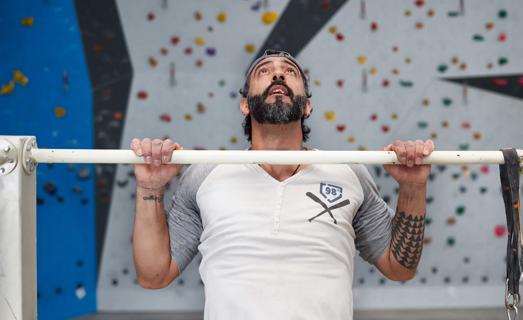
Stay slow and controlled as you work your way up past the bar

Following a few simple gym rules can help you feel confident, avoid awkward moments and stay safe
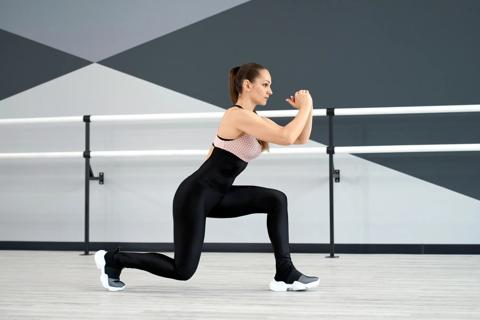
Functional fitness encourages real-life actions to help you move more easily, safely and confidently
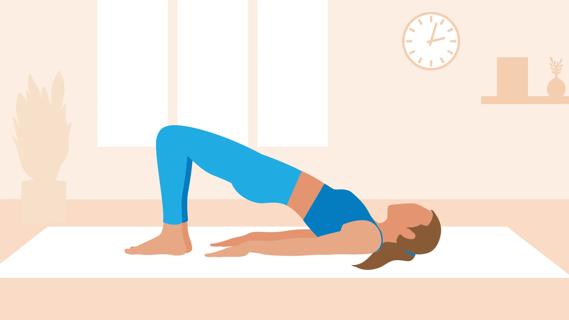
Clamshells, Pallof presses and Romanian deadlifts can help strengthen and build core muscles
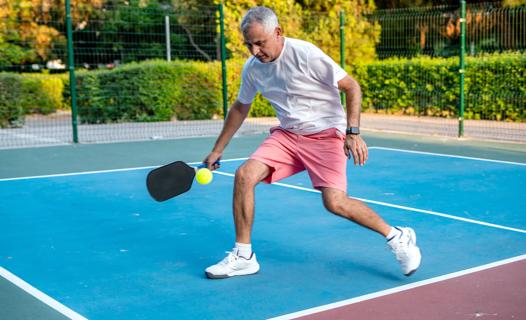
This popular game is a great, high-quality workout that can improve heart health, muscle strength, balance and coordination

Hope you’re hungry because the answer is both
Goals that are specific, measurable, attainable, relevant and time-bound can support improvement in your health and wellness

This ‘harm reduction’ approach to sobriety involves subbing one substance for another — a method that isn’t backed by research

Educate your child about body image, expectations and skin care first

A true chlorine allergy is extremely rare — it’s far more likely that you have a damaged skin barrier











