Locations:





 Search
By boosting your ‘good’ cholesterol, exercise can indirectly lower your ‘bad’ cholesterol — but it’s most helpful when paired with dietary changes
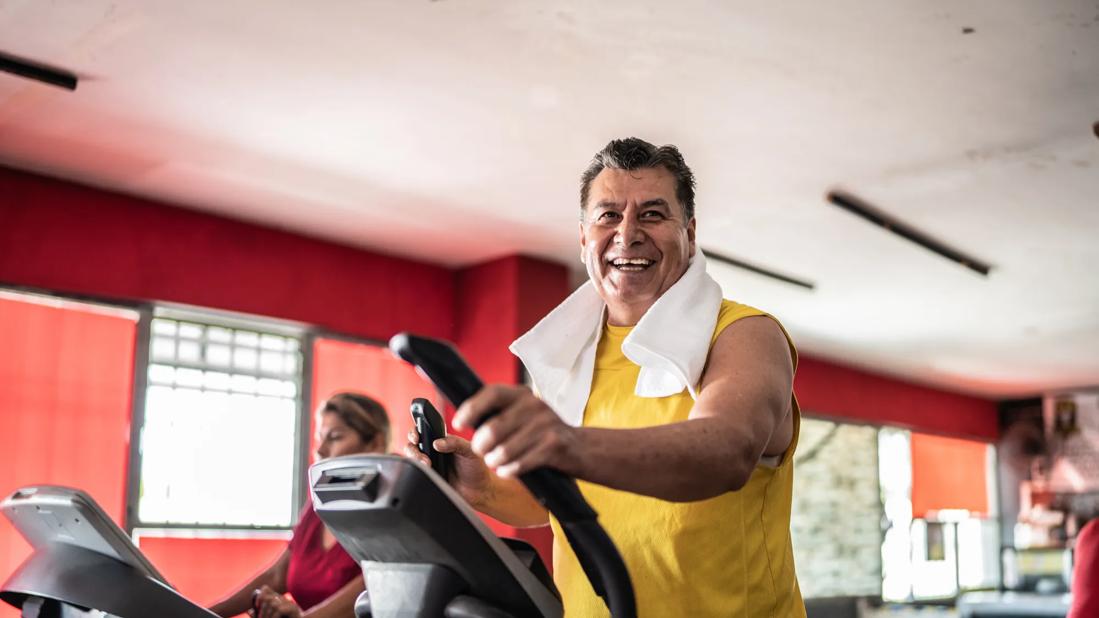
Image content: This image is available to view online.
View image online (https://assets.clevelandclinic.org/transform/07beacb5-468f-41eb-b3f5-d2377109bb93/elliptical-1435831639)
Happy person using an elliptical machine at a gym
Exercise is famous for all the ways it helps your body. So, it’s no surprise if you’re wondering whether a brisk walk or long bike ride can lower your cholesterol, too.
Advertisement
Cleveland Clinic is a non-profit academic medical center. Advertising on our site helps support our mission. We do not endorse non-Cleveland Clinic products or services. Policy
Clinical cardiac exercise physiologist and Director of Cardiac Rehabilitation, Erik Van Iterson, PhD, shares some great news. “Yes, regular exercise can help improve your cholesterol numbers,” he says. “But it doesn’t stop there. Combining exercise with heart-healthy eating and other changes makes the greatest impact.”
Dr. Van Iterson describes how exercise works its magic and which types to try.
Exercise doesn’t directly lower your LDL (“bad”) cholesterol. Instead, it alters how your body processes, transports and clears these types of cholesterol particles. For example, regular exercise:
Together, all these actions result in a lower LDL level over time.
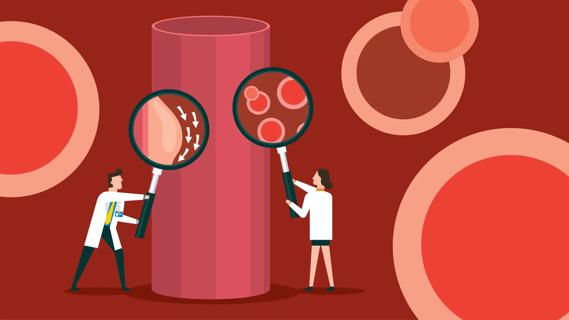
To understand why a higher HDL level is a good thing, it helps to know that LDL and HDL aren’t actually different types of cholesterol. They’re different types of particles that carry cholesterol in your blood:
Advertisement
Ideally, to help support low LDL levels, you want your HDL crew to be high in number and good at what they do. Exercise helps with both.
When you’re breaking a sweat at the gym, you’re boosting the number of HDL particles in your blood. It’s a bit like hiring more members for the cleanup crew. But the benefits go beyond that. Regular exercise can even modify enzyme activity in the liver — and this, in turn, can enhance your liver’s ability to clear LDL from your bloodstream.
“We’re learning more about the role that exercise plays in improving the function of HDL particles and modifying enzyme activity,” Dr. Van Iterson shares. “In other words, it helps your HDLs and liver do a better job of cleaning out the bad cholesterol from the blood flowing through your arteries and reducing inflammation. Over time, this can translate to a lower LDL level and other health benefits.”
When it comes to lowering your cholesterol, moderate-intensity cardio (aerobic-based) exercise is all you need. That means you’re reaching your target heart rate intensity (about 55% to 70% of your max heart rate) but still able to hold a light conversation. Gradually work your way up to at least 150 minutes per week — and spread those minutes out over at least three days.
“Start slow and progressively build up. Take your time,” Dr. Van Iterson advises. “You don’t need to push the pace or intensity to get the cholesterol-lowering wheels in motion.”
There are lots of different cardio exercises that you can do at a moderate intensity. Here are some that Dr. Van Iterson recommends:
Advertisement
Do you enjoy strength and resistance training or recreational sports? Or are you simply craving some variety in your routine? There are many different activities that can complement your cardio exercise to help lower your cholesterol levels. Here are some examples:
“There’s no need to monitor your heart rate zone for these types of activities,” Dr. Van Iterson says. “But you should still aim to maintain a feeling of moderate intensity to allow for both an effective and enjoyable experience.”
Before you hit the ground running, Dr. Van Iterson advises keeping these things in mind.
Advertisement
Above all, listen to your body. Stop exercising immediately and seek medical attention if you experience:
Lowering your cholesterol takes time and patience. You may start to see results after about 12 weeks of consistent exercise and dietary changes. But if your numbers still aren’t where you want them to be, talk to your healthcare provider about your options.
“Plenty of people need medication to lower their cholesterol,” Dr. Van Iterson says. “It’s not a failing on your part. You can run marathons and still have high cholesterol. Sometimes, your genes or underlying health conditions have a louder say in the matter.”
Even if you add meds into the mix, keep your workouts going strong. And keep your exercise habit even if you reach your cholesterol target levels. The reason? Exercise maintenance is effective heart disease prevention.
“The benefits to your heart, mind and whole body are clear,” he adds. “Getting into the exercise habit now — no matter what your cholesterol levels are — can pay off for your entire life.”
Advertisement

Sign up for our Health Essentials emails for expert guidance on nutrition, fitness, sleep, skin care and more.
Learn more about our editorial process.
Advertisement
Despite earlier concerns, recent research suggests statins don’t raise dementia risk — and they may lower it

High cholesterol can be genetic, but testing and treatment can lower your heart disease risk

Limiting saturated fat, upping your fiber intake and moving around more can help reduce your ‘bad’ cholesterol

There isn’t enough research to recommend the supplement as a solution for lowering LDL levels
You may notice a decrease in your LDL ‘bad’ cholesterol in about four weeks
In the world of cholesterol, HDL particles are ‘good’ and LDL particles are ‘bad’ for your heart health
Medications known as statins can lower cholesterol levels to minimize the risk of blocked arteries

Fatty fish, flaxseed, extra virgin olive oil and nuts may help raise your HDL number
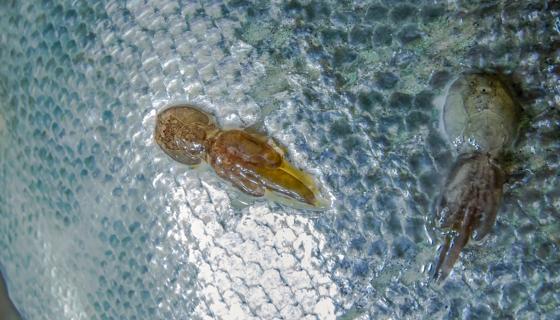
These tiny saltwater larvae can get trapped under your swimsuit and trigger an itchy reaction called seabather’s eruption

Searching nature for edible items requires training and knowledge to avoid poisonous plants
Yes, but you can protect yourself with hats, scarves or even hair sunblock











