Locations:





Opt for complex carbs that are full of fiber or protein
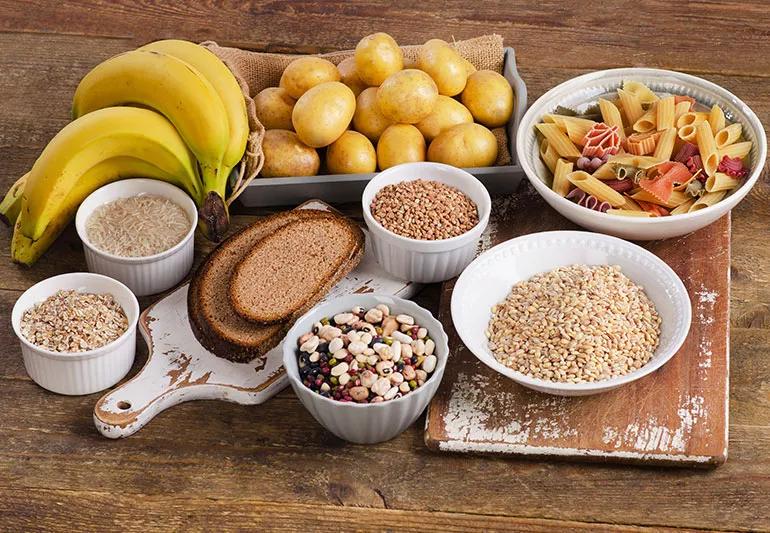
Image content: This image is available to view online.
View image online (https://assets.clevelandclinic.org/transform/57c3f458-c857-4924-a0ee-b885dcc3c60b/Carbs-613046884-770x533-1_jpg)
A table full of foods including bananas, pasta, bread and beans
When you’re focused on losing or maintaining weight, you get plenty of advice about carbs.
Advertisement
Cleveland Clinic is a non-profit academic medical center. Advertising on our site helps support our mission. We do not endorse non-Cleveland Clinic products or services. Policy
For instance, some carbs — like beans and legumes, fruits, whole-grain products and vegetables — contain vitamins, minerals and fiber that help fuel your body. And they’re less likely to cause spikes in your blood sugar, which can give you energy for a longer period of time.
But should you avoid carbs at all costs or just certain ones?
Dietitian Julia Zumpano, RD, LD, explains the types of carbs and reveals the facts behind common carbohydrate myths.
Carbs are a type of macronutrient that’s found in certain foods and drinks. Fiber, sugar and starch are considered carbs.
Carbs can be either simple carbs or complex carbs. A couple factors determine whether food is considered a simple or complex carb: its chemical structure and how quickly it gets digested into your body.
These types of carbs are digested easily, which can cause your blood sugar to spike. Simple sugars can be found in refined sugars (think white sugar) and added sugars (think a can of soda).
But sugar that naturally occurs in fruit and milk also has the added benefit of vitamins, minerals and fiber. Just be careful how much you consume, sticking to the daily recommended amounts of each.
When it comes to complex carbs, they digest more slowly into your bloodstream than simple carbs. This releases a steady stream of sugar that can help you feel fuller longer and provide energy.
Advertisement
But you need to watch what kind of complex carbs you eat. Look for unrefined whole grains that are rich in fiber and contain other nutrients like vitamin B.
Yes. You can benefit from eating the right types and amount of carbs. Carbs can:
“Carbohydrates are our body’s main source of energy,” says Zumpano. “For most people, carbs are an essential macronutrient that provides the energy to get through a busy day.”
Carbs can be a tricky subject. It’s hard to know what information to believe. Here, we break down four myths.
“People often say that carbs are fattening,” says Zumpano. “But complex carbohydrates, like whole grains, are not fattening foods.”
This myth may spring from carbs’ effect on insulin. Eating carbohydrates raises your blood glucose (your blood sugar) and prompts your body to release insulin. This redirects your glucose to cells.
“But it’s the type and quantity of the carbs you eat — not carbohydrates themselves — that cause weight gain,” she notes. “Many carbs contain excess calories and sugar.”
Examples include desserts, white bread, rice and pasta, and snack foods like chips, crackers and pretzels. These refined carbs are stripped of the outside grain, which contains fiber and some protein, making glucose (sugar) levels spike quickly.
Carbs that contain fiber (like brown rice) or protein (like legumes) raise blood glucose more slowly, require less insulin and keep you full longer. But even complex carbs like whole grains, beans and fresh fruit should be eaten in moderation.
“For weight loss, a basic rule of thumb is to limit your carb intake to about 1 cup per meal (about the size of a coffee mug or woman’s fist),” says Zumpano.
Keep your carbohydrate intake to around 40% to 45% of your total calories. Healthy fats should make up 30% to 35% of your total calories, and lean proteins should make up the other 20% to 30%.
“There seems to be lots of confusion about which foods even contain carbohydrates,” says Zumpano. “People often think only rice, bread, pasta, potatoes, sweets and sugary drinks are carbohydrates.”
Think beyond “white foods” to get a more complete list of high-carb foods, which also includes:
“High-fiber carbs (like legumes, whole grains, starchy veggies and fruits) and high-protein carbs (like legumes, yogurt and milk) provide more nutrients than low-fiber carbs (like refined grains, sweets and sugary drinks),” Zumpano says.
Advertisement
“It’s true that white foods like processed grains and sweets are higher on the glycemic index, quickly raise blood sugar and cause inflammation,” notes Zumpano.
But other carb-rich foods — considered “white” due to the color of their inside layer — can be essential to good health.
“They contain plenty of phytonutrients, have antioxidant activity and support immunity,” she says. “For example, potatoes have a particularly bad reputation, but are great sources of potassium, fiber and vitamin C.”
But stick to the proper portion size: half a medium potato. (Medium potatoes weigh about 1/4 pound on the produce scale at your grocery store.)
Meanwhile, enjoy these other nutrient-rich white foods:
“People often say that fruit has too much sugar in it,” says Zumpano. “The truth is that fruit is dense in nutrients. Along with a natural form of sugar called fructose, fruit provides fiber, vitamins, minerals and phytonutrients.”
But many fruits today are far larger than the recommended portions, she cautions. That can make your daily calories and total carbs add up fast.
“One serving of hand fruit (apple, orange, peach, pear or plum) is the size of a tennis ball,” she says. “A 4-inch banana is one serving; so are 17 small grapes.”
Advertisement
Zumpano recommends fresh or frozen fruit (without added sugar) over fruit juice, too. “Fruit juice is more concentrated in fructose but lacks fiber,” she says. (Love fruit juice? Limit your portion to 4 ounces.)
The bottom line? Don’t write off carbs — they play an important role in a healthy, balanced diet.
“Pick carbs that are bursting with fiber and/or protein, vitamins and minerals, and neglect those devoid of nutrients,” advises Zumpano.
Advertisement

Sign up for our Health Essentials emails for expert guidance on nutrition, fitness, sleep, skin care and more.
Learn more about our editorial process.
Advertisement

This caffeinated South American tea contains antioxidants and other nutrients that may offer some health benefits
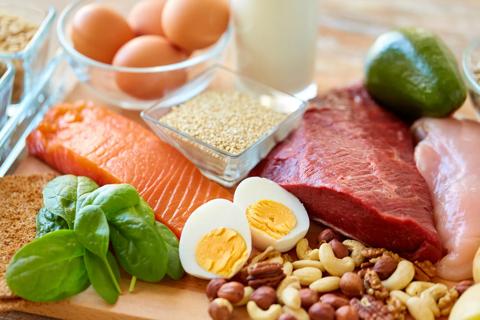
Lean meats, fish, dairy and plant proteins can help you meet your protein needs without piling on saturated fat and sugar

Protein is essential in your diet, but piling more onto your plate isn’t always better
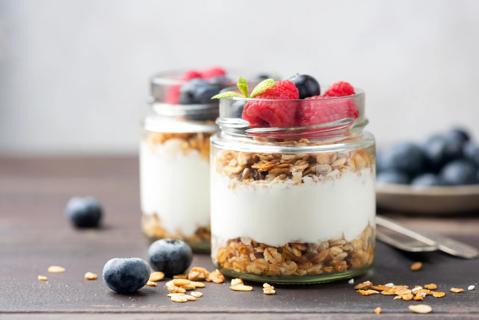
Choosing snacks with protein can help curb hunger, support muscle health and keep your energy steady between meals

Fish packs plenty of protein, heart-healthy fats and other body-boosting nutrients into every bite

Both are healthy choices, but wild-caught salmon offers a few more benefits
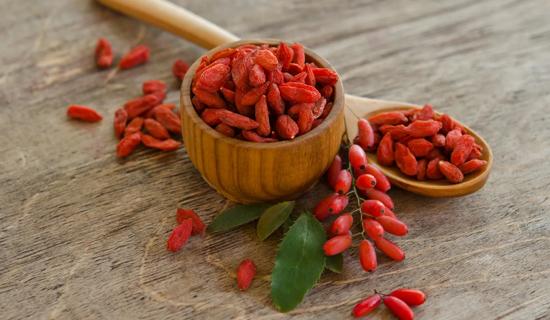
These bright berries are packed with nutrients and antioxidants that may support your eyes, immune system and overall well-being
Prepping ingredients ahead of time, rethinking your snacks and making smart protein swaps can up your daily intake

Rapid weight loss can cause loose skin, facial volume loss and body contour changes

Swallowing too much air, certain foods and drinks, and digestive conditions can all make you belch more

From poor hand hygiene and ventilation issues to contaminated food, many factors can make infectious diseases spread quickly
 Search










