Locations:





These tinned fish are rich in nutrients that support whole-body health
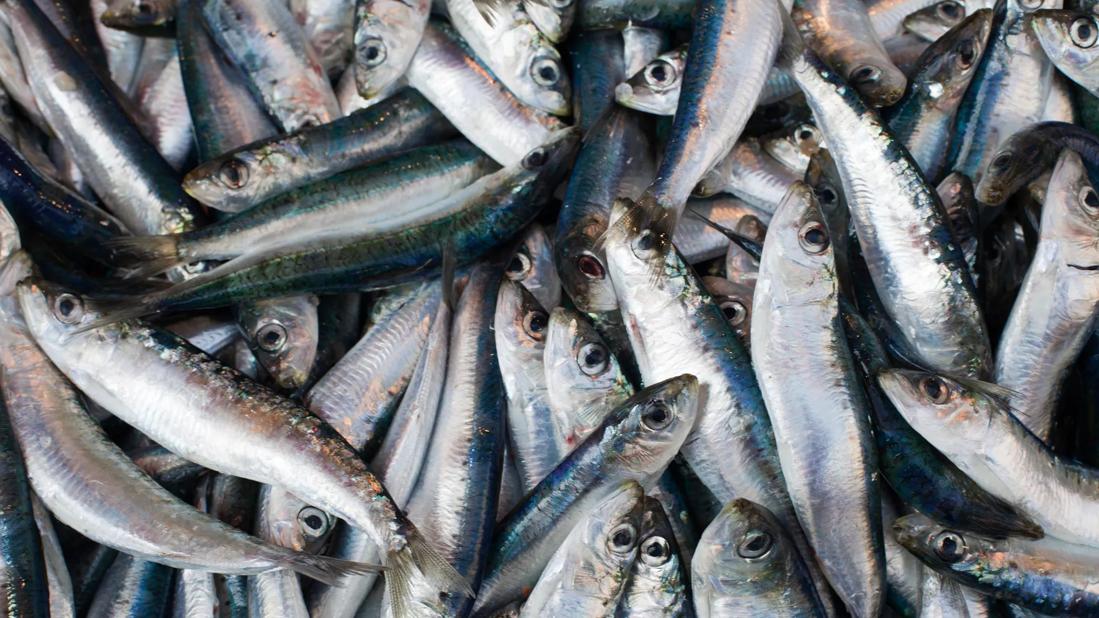
Image content: This image is available to view online.
View image online (https://assets.clevelandclinic.org/transform/5a8dfe1f-1198-41ed-ae8c-ac2cb79370f8/sardines-183843660)
Sardines
Tinned fish are making quite a splash these days — and for good reason. Options like sardines cram a large amount of nutrients into a small can. That is, if you like their oceanic flavor.
Advertisement
Cleveland Clinic is a non-profit academic medical center. Advertising on our site helps support our mission. We do not endorse non-Cleveland Clinic products or services. Policy
Registered dietitian Julia Zumpano, RD, LD, dives into the health benefits of sardines and why these tiny fish deserve the hype.
Sardines are small fish that belong to the herring family. There are over 20 species of these saltwater swimmers.
Their classification can be a little confusing. “Sardines” is mostly a catch-all term for small or immature herring. You may see other fish names on cans of sardines, like Atlantic herring or sprat. But they all share the same general nutrients.
You can eat fresh sardines, as long as they’re cooked first. But unless you live near a coast, you’re probably eating canned sardines.
Most are preserved in liquids such as:
How they’re prepared can adjust their flavor. But sardines are generally savory, tender and a little salty.
Zumpano discusses the nutritional benefits — and potential drawbacks — of eating this tiny fish.
Calling sardines a nutrient-dense food almost seems like an understatement. Even their bones are good for you (more on that later).
According to the U.S. Department of Agriculture (USDA), one 3.75-ounce can of sardines has:
Advertisement
“They’re a low-calorie, low-mercury fish that’s packed with nutrients,” says Zumpano.
But how sardines are prepared and packaged can affect their nutrient profile, especially when it comes to salt and calories. Check the labels to compare your options.
So, what can all those vitamins and nutrients in sardines do for you? Zumpano shares four stand-out benefits.
Upping your protein intake can help maintain and build muscle after exercising. This essential macronutrient also repairs various tissues throughout your body.
Sardines may be small, but they’re surprisingly high in protein. And even though they’re an oily fish, sardines are still considered a lean protein.
“Their overall calorie and saturated fat counts are relatively low,” reports Zumpano.
Sardines are among the best fish sources of omega-3 fatty acids, an essential type of healthy fat your body needs to work at its prime.
“Omega-3s are especially helpful for your heart health,” says Zumpano. “They help lower triglyceride levels and decrease inflammation in blood vessel walls.”
A bonus: Sardines provide these healthy fats with very low mercury levels. Especially compared to larger fish, like tuna and swordfish.
Omega-3s don’t just support your heart — they’re also important for your brain. Research shows that a diet rich in omega-3s reduces your risk of cognitive decline, dementia and Alzheimer’s disease.
Sardines also provide vitamin B-12, a nutrient that helps balance mood-managing chemicals in your brain. Studies show that adequate amounts of vitamin B12 may delay the onset of depression and improve the effectiveness of antidepressants.
But a 3.75-ounce can of sardines has over three times your daily B12 needs. Is that too much? Zumpano says not to worry. “Vitamin B12 toxicity is very rare. It takes extremely high doses to cause harm.”
To help put this in perspective, some vitamin B12 supplements have around 20,000% of the recommended daily requirement.
Sardines have high amounts of calcium, phosphorus and vitamin D, thanks to their edible bones. Yes, you can eat them. The bones are small and soft and often dissolve during cooking, making them safe to eat.
“These nutrients work together to keep your bones strong,” explains Zumpano. “Getting them regularly in your diet may help manage or prevent conditions like osteoporosis.”
So, should we all start scarfing down sardines? Like most foods, sardines are healthiest in moderation, says Zumpano.
And depending on how they’re packaged, cured sardines may contain a lot of salt.
“Keeping sodium intake in check is important for people with high blood pressure,” she adds. “Check nutrition labels and be mindful of how much salt you’re getting throughout the day.”
Advertisement
Sardines are safe to eat for most people. But a few considerations are worth noting:
In short, sardines can be a tin-credible snack if they fit into your dietary needs.
Advertisement

Sign up for our Health Essentials emails for expert guidance on nutrition, fitness, sleep, skin care and more.
Learn more about our editorial process.
Advertisement

From sauerkraut to kimchi, these foods can help keep your gut healthy

This East Asian and subtropical fruit is packed with delicious nutrition
Lean meats, fish, dairy and plant proteins can help you meet your protein needs without piling on saturated fat and sugar

Choosing snacks with protein can help curb hunger, support muscle health and keep your energy steady between meals
Fish packs plenty of protein, heart-healthy fats and other body-boosting nutrients into every bite
Both are healthy choices, but wild-caught salmon offers a few more benefits
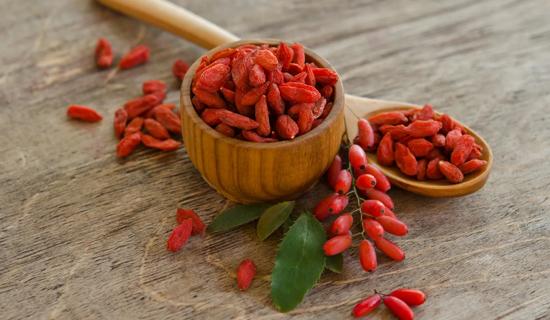
These bright berries are packed with nutrients and antioxidants that may support your eyes, immune system and overall well-being

The general rule is 1.2 to 1.6 grams of protein per kilogram of body weight — but that may not be exactly right for you

Managing your weight through physical activity may lower your chances of getting this common cancer

It typically starts in October and winds down in early spring, with cases at their highest in the middle of winter

Anxiety disorders, health conditions and past trauma can make driving nerve-wracking — help is available
 Search










