Locations:





 Search
Applying a cold compress, using antihistamine eye drops and limiting salt can help reduce puffiness
We’ve all woken up with puffy or swollen eyes. It happens when fluid builds up in the thin layers of tissue surrounding your eyes and eyelids. It can make you look like you have under-eye bags or dark circles under your eyes. You may not feel like it’s the best look — but is it a cause for concern?
Advertisement
Cleveland Clinic is a non-profit academic medical center. Advertising on our site helps support our mission. We do not endorse non-Cleveland Clinic products or services. Policy
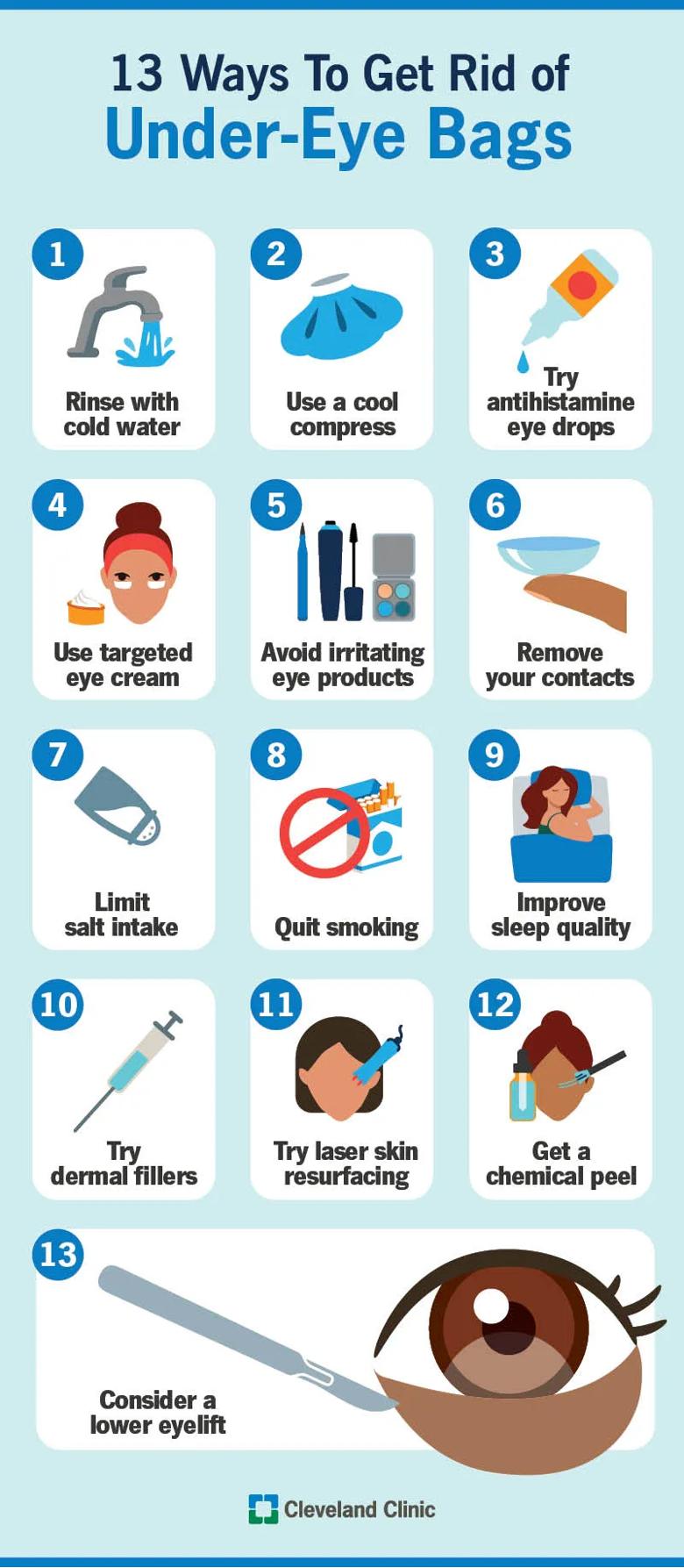
Image content: This image is available to view online.
View image online (https://assets.clevelandclinic.org/transform/27fd53ba-42a8-4ec3-b9aa-57d905d4f534/HowToGetRidOfEyeBags-infographic-800x1833)
Typically, eye swelling in your upper or lower eyelid is just an uncomfortable annoyance that will go away on its own within a day. But if the swelling lasts longer, it’s important to treat it, as some problems can quickly damage your eyes.
“Any swelling that lasts longer than 24 to 48 hours should send you to an eye care professional because there are times it can be something severe that can blind you,” says ophthalmologist Annapurna Singh, MD.
Treatment varies depending on the cause, but Dr. Singh and dermatology resident Angela Wei, MD, stress that consistency with at-home relief and medical treatments can help get rid of eye bags for good.
Dr. Singh and Dr. Wei share some of the most common solutions, along with lifestyle changes, that have far-reaching effects on under-eye swelling and skin discoloration.
If you have bags under your eyes with discharge (or gunk), try rinsing your eyes with water. That will help clean out any debris caused by an infection without further damaging your eyes. Cool water is also soothing for allergic shiners.
Lie down and place a cold water-soaked washcloth across your eyes for a few minutes. The cold will help restrict blood vessels and reduce swelling. You can also use an ice pack or a bag of frozen vegetables wrapped in a towel to protect your skin. Other cold items that may help tamp down under-eye bags include:
Advertisement
Use antihistamine eye drops — but only if you have allergies. They’ll be ineffective otherwise. When it comes to steroid drops, use them sparingly and only as prescribed.
“Steroid eye drops can work very well when you have allergies, but if it’s used for another condition, it could actually harm and blind you,” warns Dr. Singh. “Always check with your physician first before using steroid eye drops.”
The appearance of eye bags can sometimes improve with the help of skin care products that contain caffeine, retinol or other ingredients that reduce puffiness.
But you should avoid using hemorrhoid cream. This might seem like a stretch, but people have been known to try this viral social media trend.
Most hemorrhoid creams contain a medication called hydrocortisone or phenylephrine. Hydrocortisone is a topical steroid that can decrease redness and swelling. Phenylephrine is a vasoconstrictor that can reduce swelling.
“These products may provide temporary relief, but I don’t recommend their use around the eyes,” stresses Dr. Wei.
For example, hydrocortisone, if used for extended periods of time, can lead to a thinning of the skin or discoloration of the skin. This can make the dark circles under your eyes worse. It may also cause eye irritation or damage if it gets into your eye.
Phenylephrine can also cause an allergic reaction and may interact with medications you’re already taking.
“Both products can also cause a burning sensation,” she adds.
These at-home remedies can help provide temporary relief for under-eye bags. Lifestyle changes might make a more lasting impact to reduce eye swelling, puffiness and skin discoloration. Consider making these changes if they apply to you.
Mascara, eyeshadow and eye creams may be made with fragrances, dyes and preservatives that can often irritate eyes and surrounding skin, or even cause an allergic skin reaction. If you’re wondering whether these are causing your eyes to balloon, try not to use them for at least a couple of weeks to see if your symptoms improve.
It also helps to bring any products you’re interested in to a dermatologist to make sure they’re safe and effective before trying anything new.
If you wear contact lenses, remove them immediately if your eyes or eyelids swell. In cases of pink eye, contacts can make symptoms worse and even cause the infection to linger longer than necessary.
Salt causes your body to retain water, which can lead to swelling and puffiness in your eyes. Take an inventory of the foods you’re eating and try to limit high-salt foods if you’re dealing with swelling in your eyes, legs or other areas of your body.
Advertisement
There are many reasons why smoking is bad for you. But when it comes to eye bags, smoking can result in collagen loss, causing thinner skin around your eyes.
If you’ve been burning the midnight oil, you might wake up with bags under your eyes. Aim to get a good night’s sleep — about seven to nine hours a night.
And to help prevent fluid from building up around your eyes while you sleep, try raising your head slightly by adding another pillow.
Puffy eyes and bags under your eyes often pop back up after a while. For some, eye bags are genetic due to fat pad prominence, bone structure or skin laxity, and can be difficult to fully correct without medical intervention. Fortunately, medical treatments are available to help address them:
Advertisement
“If you’re concerned about eye bags or dark circles, don’t hesitate to talk to a healthcare professional,” encourages Dr. Wei.
Advertisement

Sign up for our Health Essentials emails for expert guidance on nutrition, fitness, sleep, skin care and more.
Learn more about our editorial process.
Advertisement
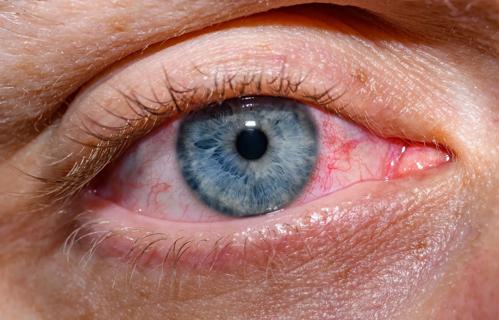
Pink eye tends to start in one eye before spreading to the other, while allergies usually affect both eyes at the same time
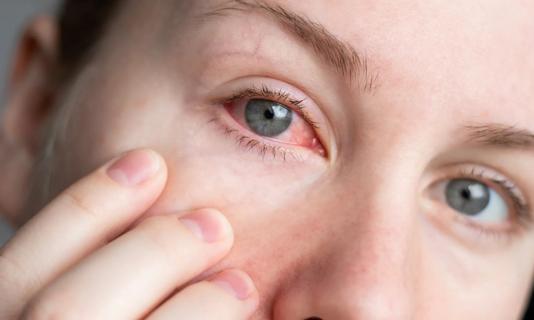
Early morning red eyes can be a sign of several conditions, like dry eyes, allergies and eye strain
See an eye specialist if your pain isn’t going away and comes with other symptoms
Your eyes could be burning because of allergies, elevated salt levels, dry eyes and more

One is a raised yellow spot on your eye, the other is a fleshy growth
When worn incorrectly, contacts can cause or worsen dry eye symptoms
Preservative-free lubricating drops, a humidifier, sunglasses and preventive medications can help with dry eyes, no matter the season
In moderation, vitamins A, C, D, E, B12 and omega-3 fatty acids can improve and maintain your eye health

The virus that causes the so-called ‘stomach flu’ can cling to surfaces for days or even weeks
There isn’t clear evidence that melatonin harms your heart — but finding the cause of sleep issues is key to long-term heart health

Your dollar bills, coins and cards are covered in germs — but they’re very unlikely to make you sick











