Locations:


Look for baby wipes that are fragrance-free and use gentle ingredients
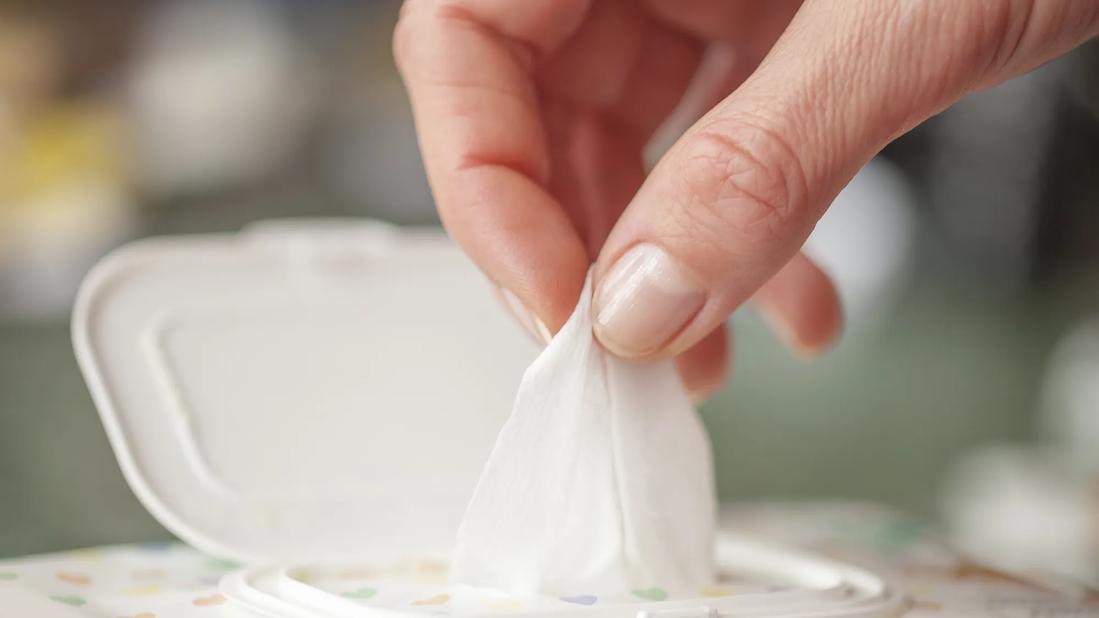
Image content: This image is available to view online.
View image online (https://assets.clevelandclinic.org/transform/45761ce9-ce7c-49cd-a4ef-f0dabb12a07a/Safe-Baby-Wipes-1153440114)
Hand pulling a baby wipe out of a container
The good news when it comes to shopping for babies? You have a lot of options. The bad news? That means a lot of decisions to make.
Advertisement
Cleveland Clinic is a non-profit academic medical center. Advertising on our site helps support our mission. We do not endorse non-Cleveland Clinic products or services. Policy
Even picking out baby wipes comes with a range of choices. Do you want scented? Sensitive? Natural? What do those terms even mean? And what’s best for your baby’s bum?
Pediatrician Amy Sniderman, MD, offers advice for choosing safe baby wipes.
The first rule of thumb in choosing baby wipes that are safe for your baby’s skin is to look for products labeled “fragrance-free.”
“Fragrance is the most common baby wipe ingredient to cause irritation,” Dr. Sniderman says.
But here’s something to keep in mind: “Unscented” doesn’t necessarily mean the same thing as fragrance-free.
Wipes with fragrance often come in scents like cucumber, cotton blossom or lavender. Unscented wipes don’t give off that whiff of fragrance when you open the container. But they may still use potentially irritating chemicals to mask the smell of other ingredients in the wipes.
After you’ve determined that your wipes are indeed fragrance-free, check the rest of the ingredients.
“The shorter the ingredient list, the fewer the unknowns,” Dr. Sniderman adds. “And possibly the better tolerated by your baby.”
Most wipes contain water as the first ingredient. Other ingredients typically include:
Advertisement
“Many babies can tolerate any of these ingredients without issue, while others may be sensitive to one or more of them,” she notes. “Excluding ingredients can be done on an as-needed basis.”
When you’re scrutinizing ingredient lists, two preservatives should give you pause:
These are considered less safe and more irritating. Instead, look for preservatives like:
Some wipes steer clear of chemical preservatives altogether. They’re typically sold as “water-only” wipes, or similar language. They often include just a touch of fruit extract, like grapefruit seed extract, as a preservative and cleanser.
These wipes may be gentler for babies with sensitive skin, but there’s a catch. Because these wipes don’t contain chemical preservatives, they can grow fungus and bacteria more quickly than other kinds.
“Pay close attention to timing when using these wipes,” Dr. Sniderman cautions. “Water-only wipes have to be tossed after a certain amount of time after being opened.”
Check the package for the manufacturer’s guidelines. They generally recommend not using water-only wipes that have been open for more than 30 days.
Advertisement
Typical baby wipes are made from a combination of plastic and cellulose. That makes them soft and stretchy, but they’re not biodegradable.
Wipes that are marketed as “natural” are often made from plant-based materials, like bamboo or cotton, that will break down over time.
“Natural wipes may be better for the environment,” Dr. Sniderman says. “But they’re not necessarily safer or better for your baby.”
If your baby is susceptible to diaper rashes, eczema or other skin concerns, the wipes you use can make a difference.
Here’s what Dr. Sniderman recommends considering:
Perhaps even more important than the wipes you choose is keeping baby’s bottom clean and dry. Clean them well to remove any bits of poo, and use diaper cream as needed.
Advertisement
If you suspect your baby wipes are irritating your baby’s skin, talk with a healthcare provider, like their pediatrician. They can help you find the wipes and routine that will keep baby safe and comfortable.
Advertisement

Sign up for our Health Essentials emails for expert guidance on nutrition, fitness, sleep, skin care and more.
Learn more about our editorial process.
Advertisement
Massage, teething rings, chilled items and pain relievers can help dull the discomfort when baby teeth erupt

Clean their bottom using plain water and a soft washcloth, then apply an ointment — and let them go diaperless when possible

Stay calm and validate your child’s feelings, but don’t give in to their demands
Big feelings, growing independence and lots of meltdowns are all typical parts of toddlerhood

Check for common causes, try soothing strategies and know when it’s time to take a break

Thumb sucking is a normal part of early development, but over time, it can affect teeth, speech and habits

From coos and babbles to first words and short sentences, there’s a wide range of what’s considered ‘normal’
Most teething symptoms are mild — fevers and other major symptoms are likely something else

A combination of lifestyle and health factors may be behind the trend
The plant-based milk option is low in calories and high in heart-healthy fats
Some birth control methods — and how you use them — may lighten or stop your period
 Search