Locations:





Spine curvature may be a possible sign of hypochondroplasia, but it typically doesn’t need serious medical intervention
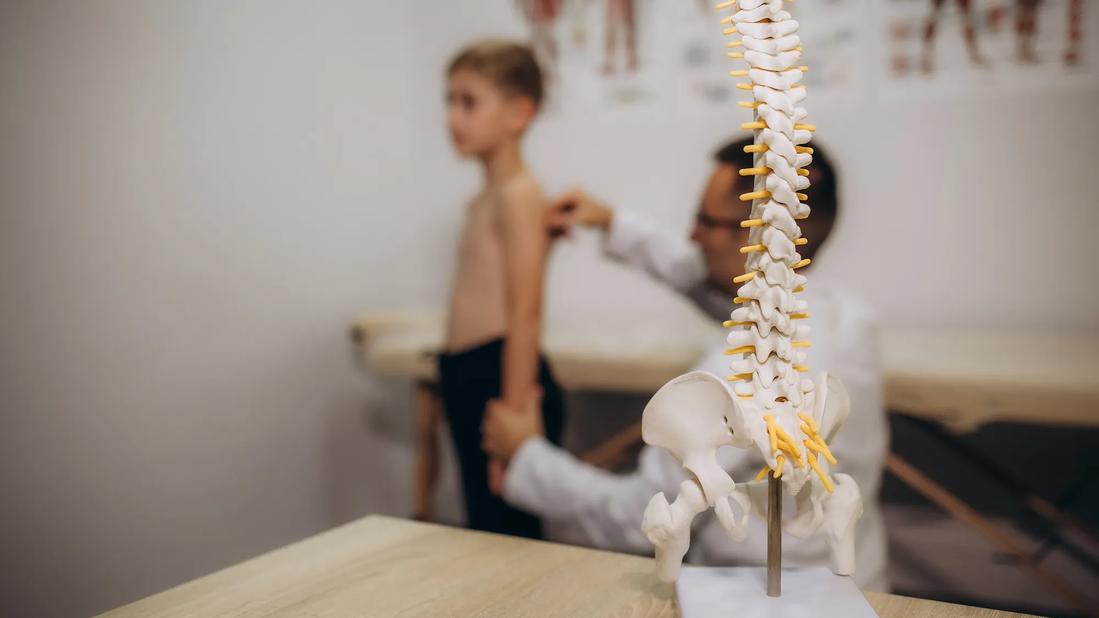
Image content: This image is available to view online.
View image online (https://assets.clevelandclinic.org/transform/b90f6fe9-aaf5-44f1-8dd1-e5221c9f8fcc/doctor-examines-childs-spine-1869239734)
Medical model of a spine, with healthcare provider examining young boy's spine nearby
If your child has hypochondroplasia, you may notice their posture changing as they grow. A more pronounced curve in their lower back can make it look like they’re standing with their belly pushed forward.
Advertisement
Cleveland Clinic is a non-profit academic medical center. Advertising on our site helps support our mission. We do not endorse non-Cleveland Clinic products or services. Policy
But is this something to be alarmed about? Will they need surgery?
We talked with pediatric orthopaedic surgeon Kevin Serdahely, MD, to find out.
“Typically, while spine curvature may be a possible sign of hypochondroplasia, it often won’t be the first sign, and the curvature itself generally won’t need any serious intervention,” Dr. Serdahely says. “It’s rare for children with hypochondroplasia to end up needing spine surgery, for example.”
Hypochondroplasia is a genetic condition that affects bone growth. As your child grows, it can affect the shape and alignment of their spine.
The most common spinal change is an exaggerated inward curve in their lower back, known as lumbar lordosis or swayback.
“In young kids, this lordosis usually presents as a very prominent abdomen,” Dr. Serdahely explains. “They appear to walk belly forward.”
Because hypochondroplasia is often diagnosed later than achondroplasia, a related skeletal dysplasia, families may not notice posture changes until toddlerhood or early school years.
But Dr. Serdahely says the spinal changes themselves aren’t typically painful and often don’t interfere with daily activities.
“It’s more of a clinical finding,” he notes. “In other words, providers may notice the curve during an exam, but it usually doesn’t cause symptoms or interfere with everyday activities.”
Advertisement
While smaller spinal changes don’t require treatment, healthcare providers still monitor children over time to make sure other symptoms aren’t developing. You should talk with your child’s care team if you notice:
For example, if your child develops pain, weakness or has trouble staying active, their provider may order imaging studies to look for spinal narrowing (stenosis). This narrowing can put pressure on nerves, but it is more common in achondroplasia.
If your child’s spinal curvature causes discomfort, physical therapy may help improve flexibility and address muscle tightness.
“If I had a child with hypochondroplasia who had some of that exaggerated curvature and had pain, that would be a time to get them involved with a physical therapist,” Dr. Serdahely shares.
Surgery is uncommon in hypochondroplasia-related spinal conditions. That’s one significant difference between hypochondroplasia and achondroplasia. Achondroplasia more often causes significant spinal narrowing and may require surgical treatment.
For most children, the answer is yes.
While spinal curvature is common in children with hypochondroplasia, if it happens, it usually doesn’t require treatment and rarely limits daily activities. Regular check-ups can help monitor any changes, but most children can continue to play, participate in sports and stay active.
“Certainly, they would be allowed to do anything and everything they want to do,” Dr. Serdahely encourages.
Advertisement

Sign up for our Health Essentials emails for expert guidance on nutrition, fitness, sleep, skin care and more.
Learn more about our editorial process.
Advertisement
Injections may help your child gain inches and build muscle, but results vary widely

They sound similar, and the two conditions are related, but hypochondroplasia tends to cause milder symptoms

ADHD can present differently from child to child and can change with age
People with PKU need to avoid high-protein foods, like meat, dairy, legumes and whole grains

Estrogen loss contributes to bone loss, which significantly raises your risk of osteopenia and osteoporosis

The emergency room is for serious medical issues; urgent care can help when you can’t get a quick appointment with your child’s doctor
Lice don’t jump — but they can spread with direct head contact
Some warts will clear up on their own, but others may need home remedies or medical care
Eyes typically increase to full size during two growth spurts in childhood
To start, opt for calorie-dense foods that are rich in protein and healthy fats

Pre-birth injections and monoclonal antibodies can help prevent serious complications
 Search










