Locations:





This fermented food can feed your gut, help manage hunger and possibly curb colon cancer risk
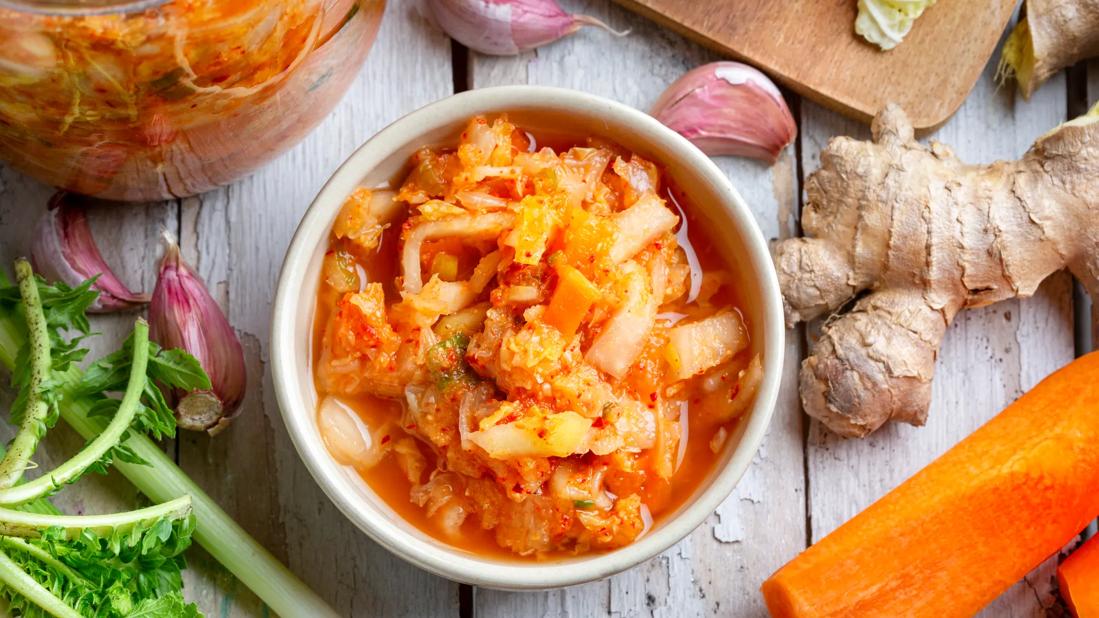
Image content: This image is available to view online.
View image online (https://assets.clevelandclinic.org/transform/192090da-2050-437d-bc9b-ad78dc0af787/kimchi-1495380265)
Bowl of kimchi with ingredients surrounding it on the table
Kimchi has been a staple of Korean cuisine for centuries. But in recent years, it’s also become a popular food in the U.S. and other parts of the world.
Advertisement
Cleveland Clinic is a non-profit academic medical center. Advertising on our site helps support our mission. We do not endorse non-Cleveland Clinic products or services. Policy
If you’ve never had kimchi, you might be wondering what the hype is about. What exactly is it? How do you eat it? And is kimchi good for you? Registered dietitian Amber Sommer, RD, LD, has the answers.
Kimchi (sometimes spelled kimchee) is a mix of pickled, fermented vegetables with added spices and seasonings. It’s typically made with:
Kimchi recipes vary, so you might not find all these ingredients in every batch or brand. (In other words, don’t rule it out just because you won’t go near anchovies!)
Kimchi is a unique flavor experience. Overall, it has a tangy and slightly sour taste with umami (savory) notes. And its red pepper spiciness can range from mild to hot, depending on the ingredients.
“Read the label to find out which veggies and spices it contains so you can pick one that suits your tastes,” advises Sommer. “You can also find recipes online if you want to make your own.”
Kimchi has several potential health benefits, including boosting your gut health, improving digestion, preventing (or remedying) constipation and maybe even protecting you from chronic diseases like colon cancer and heart disease. Let’s take a closer look.
Advertisement
Fermented foods like kimchi are your gut’s BFF because they contain probiotics, friendly bacteria that live in your digestive tract to help with digestion and overall wellness.
“Your gut needs the right balance of bacteria to digest food, fight diseases and produce certain vitamins,” Sommer explains. “Fermented foods give you a power boost of beneficial bacteria to help you maintain a healthy gut microbiome.”
If you’re not getting enough fiber, there’s a good chance you’re dealing with constipation. Enter kimchi, your pickled pal filled with fiber, which can help you get regular again.
“The amount of fiber varies between recipes, but the foundation of kimchi is cabbage,” says Sommer. “ Like all cruciferous vegetables, cabbage is a good source of fiber, which can support digestive health and keep your digestive system moving.”
Feeling famished too soon after that meal or snack? Low-calorie, high-fiber foods like kimchi are great options to help you feel full.
“The fiber in kimchi slows down its trip through your digestive system, so those hunger pangs stay away longer,” Sommer points out.
Some studies show that eating kimchi may help lower colon cancer risk. Its cancer-fighting power probably comes from its probiotics, fiber and phytochemicals (natural plant compounds that fight diseases).
“Eating kimchi and other fermented, fiber-rich foods may help decrease your risk of cancer,” Sommer says. “But even the healthiest diet can’t guarantee a cancer-free future, so don’t forget to get your recommended colorectal cancer screenings.”
Eating a heart-healthy diet is one of the best ways to prevent heart attack and stroke. And kimchi may be the perfect food to spice up this healthy eating strategy. A randomized trial found that kimchi helped decrease unhealthy LDL and total cholesterol.
“High cholesterol is a risk factor for heart attack and stroke,” Sommer says. “Eating whole foods that are rich in phytonutrients and fiber can help reduce your risk for heart disease. Kimchi is one example. But all fruits and vegetables have heart health benefits.”
A word of warning, though: Kimchi can be high in salt, which can increase your risk of heart problems if you have too much in your diet.
“Most U.S. adults already eat too much salt, so steer clear of kimchi brands that are high in sodium,” Sommer cautions. “Look for a low-sodium brand or make your own to control how much salt you include.”
Most people can safely eat kimchi, but it’s not for everyone. Kimchi can have possible side effects, including:
Advertisement
“If you’re pregnant or have a chronic health condition, ask your provider whether probiotics or fermented foods are safe for you,” Sommer stresses.
Kimchi is a versatile food that can double as a condiment. You can enjoy it right out of the jar or pair it with:
Advertisement
Want to make your own kimchi? You’ll find plenty of recipes online, including some that are low in salt. But prepare to be patient: Fermentation takes up to five days.
“Kimchi is a great way to spice up your meals without adding many calories,” Sommer says. “And because it’s a veggie and a fermented food, you’ll likely reap some of its many potential health benefits.”
Advertisement

Sign up for our Health Essentials emails for expert guidance on nutrition, fitness, sleep, skin care and more.
Learn more about our editorial process.
Advertisement
From sauerkraut to kimchi, these foods can help keep your gut healthy
This East Asian and subtropical fruit is packed with delicious nutrition
Lean meats, fish, dairy and plant proteins can help you meet your protein needs without piling on saturated fat and sugar

Choosing snacks with protein can help curb hunger, support muscle health and keep your energy steady between meals

Fish packs plenty of protein, heart-healthy fats and other body-boosting nutrients into every bite

Both are healthy choices, but wild-caught salmon offers a few more benefits
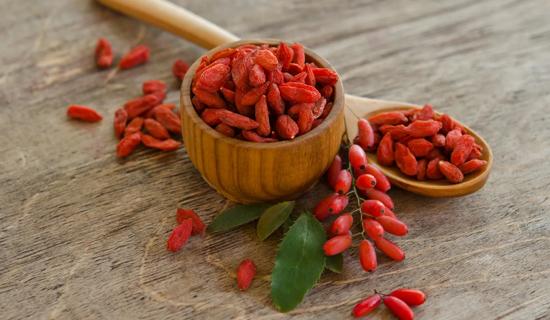
These bright berries are packed with nutrients and antioxidants that may support your eyes, immune system and overall well-being

The general rule is 1.2 to 1.6 grams of protein per kilogram of body weight — but that may not be exactly right for you

Hormonal changes, a slower metabolism and muscle loss can make weight gain more common around menopause — healthy habits can help you manage it

Life-threatening complications include sepsis, stroke, pneumonia and more

Fruity-smelling breath can happen when your body burns fat for energy, and in some cases, can signal a medical emergency
 Search










