Locations:





 Search
This dairy-free milk alternative is a great source of fiber, but it often contains added sugar

Image content: This image is available to view online.
View image online (https://assets.clevelandclinic.org/transform/b6e66ac4-090c-47af-881a-d60af6c80e94/oat-milk-2154003457)
Person pouring homemade oat milk into mug of coffee, with squeezed oats and fresh oats in a jar nearby
Oat milk has gone from trendy to everyday staple. You’ll find it in coffee shops, grocery stores and plenty of home refrigerators. But as more people make the switch, a common question comes up: Is oat milk good for you?
Advertisement
Cleveland Clinic is a non-profit academic medical center. Advertising on our site helps support our mission. We do not endorse non-Cleveland Clinic products or services. Policy
The answer isn’t one-size-fits-all. Oat milk can be a healthy choice for many people. But it depends on the type you buy and your individual needs. Some can be nutritious, but others may have added sugars or fewer nutrients than you might expect.
We reached out to registered dietitian Julia Zumpano, RD, LD, to learn more about oat milk nutrition and what to know before you pour your next glass.
Oat milk is a dairy-free, plant-based milk. It’s made by soaking oats in water, blending them and then straining out the solids. What’s left is a liquid with a smooth, creamy texture. It goes well with everything, from coffee to cereal.
Many store-bought versions are fortified with vitamins and minerals to help match the nutrition of cow’s milk, explains Zumpano. Some brands also include ingredients like oils, salt or sweeteners to improve taste and texture. There are many types of this plant-based beverage, each with its own benefits and drawbacks.
So, is oat milk healthy? It can be, especially when it aligns with your individual nutrition needs and goals. Some of the top oat milk benefits include:
Advertisement
Even with its benefits, oat milk isn’t perfect. Here are a few things to keep in mind if you’re considering this dairy-free option:
Oat milk is a healthy, plant-based milk that offers fiber and important nutrients. If you enjoy the taste and it works for your needs, it could be a smart addition to your daily routine. It’s important to reiterate that it’s also higher in carbs and lower in protein than some alternatives.
“It can be a good option for some people,” says Zumpano. “Just pay attention to labels and choose unsweetened, fortified versions whenever possible.”
Advertisement

Sign up for our Health Essentials emails for expert guidance on nutrition, fitness, sleep, skin care and more.
Learn more about our editorial process.
Advertisement

Nondairy milks like soy, oat and almond can offer many benefits, but the key to choosing one depends on your nutritional needs and taste preferences

Restricting the amount of fluid you take in and eating less salt can make your dialysis treatments more efficient
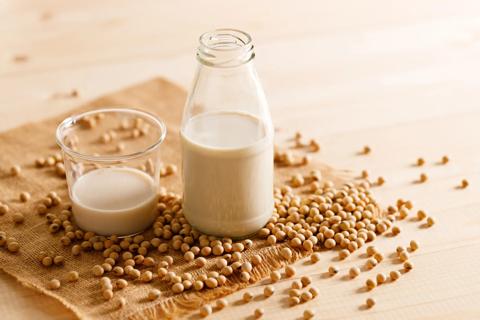
From protein to phytoestrogens, soy milk offers health benefits that many plant milks don’t

Collagen peptide supplements may support your skin, joints and bones — but there’s no guarantee

This fruit (not veggie!) is good for your cholesterol, blood sugar, gut and bones
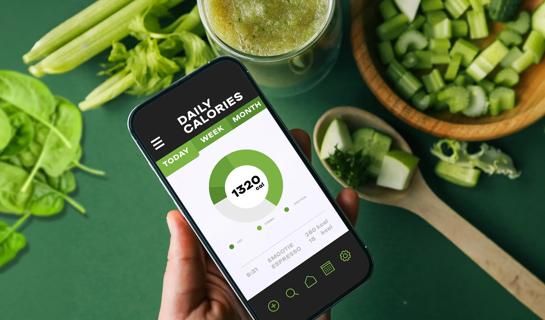
A little bit of math and a little bit of patience can put you on the path to meeting your goals

This amino acid is touted for relaxation and mental clarity, but current research remains inconclusive

This nutrient-rich fruit offers a surprisingly long list of potential health benefits, like lowering blood sugar and boosting brain health

The virus that causes the so-called ‘stomach flu’ can cling to surfaces for days or even weeks

There isn’t clear evidence that melatonin harms your heart — but finding the cause of sleep issues is key to long-term heart health

Your dollar bills, coins and cards are covered in germs — but they’re very unlikely to make you sick











