Locations:





Adding extra formula, cereal or medications to your baby’s bottle is a dangerous and misguided practice
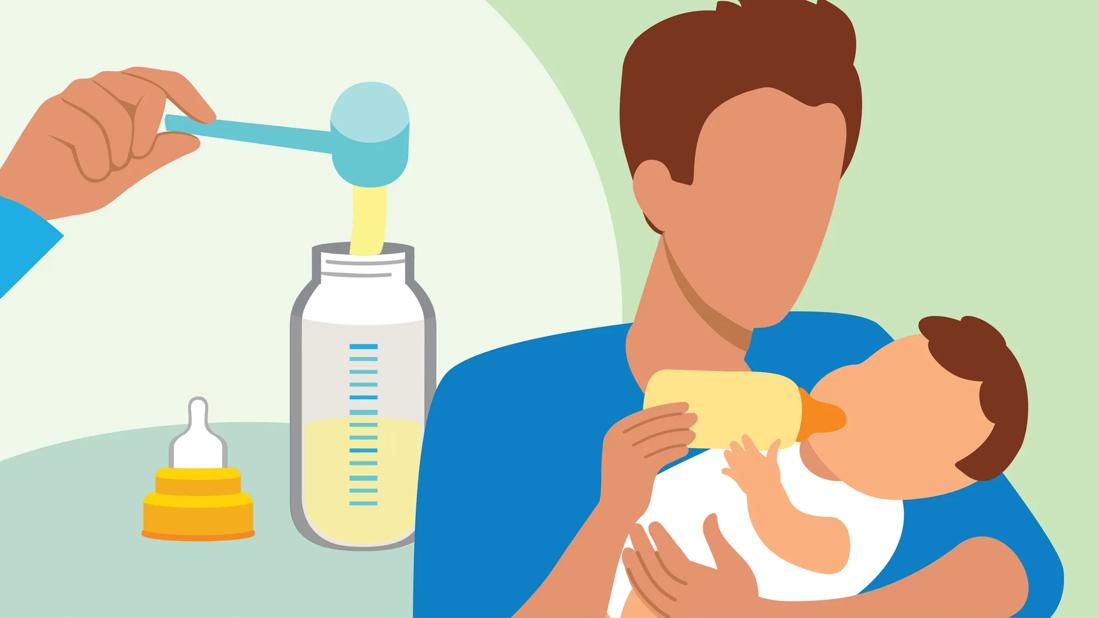
Image content: This image is available to view online.
View image online (https://assets.clevelandclinic.org/transform/b38d672f-5db5-4fc0-bae3-2e5ca3853c21/feeding-baby-bottle-1310039297)
Caregiver feeding a baby with a bottle of baby formula
Let’s not sugarcoat it: Caring for a baby is tiring work. And when they’re hungry around the clock, it’s downright exhausting.
Advertisement
Cleveland Clinic is a non-profit academic medical center. Advertising on our site helps support our mission. We do not endorse non-Cleveland Clinic products or services. Policy
It can be tempting to try a so-called “knockout bottle” to fill their bellies and stretch those night sleep sessions a little longer, especially in those early months when shut-eye can seem like a rare commodity.
But that’s not a good plan, says pediatrician Raj Rambhatla, MD. Knockout bottles come with risks that are simply not worth it.
Dr. Rambhatla explains the dangers and what to do instead.
Knockout (KO) bottles are baby bottles filled with ingredients meant to make a baby sleep longer, usually by making the formula heavier or adding substances that cause drowsiness.
KO bottles are prepared with sleep-inducing additives like:
The idea is that overfilling baby’s tummy at night will help them snooze more soundly (and wake you up fewer times in the wee hours). But pediatricians strongly advise against this practice.
“Babies naturally wake up and eat every three to four hours, give or take. It’s what their bodies need,” Dr. Rambhatla explains.
Trying to override that natural need for round-the-clock eating can cause trouble.
Using knockout bottles might seem like a harmless shortcut to a good night’s sleep, but the risks are real. Let’s take a look at some of the dangers.
Advertisement
Mixing formula is an exact science. Extra-concentrated formula, like in a KO bottle, contains high amounts of solute that lead to electrolyte imbalances. And that can spell trouble for your baby’s kidneys.
“When you bulk up the bottle with extra formula powder, you overload babies’ kidneys and digestive systems, and their little bodies aren’t equipped to handle that,” Dr. Rambhatla warns.
The effects can be devastating and include increased risk of seizures and swelling in their brain due to sodium imbalances.
Babies shouldn’t have anything except breast milk and formula for their first six months. Their digestive systems really aren’t ready for anything more before that. So, adding cereal or purees to a knockout bottle isn’t a smart plan.
“Adding foods before babies are ready for them will add excess calories, and that can cause constipation,” Dr. Rambhatla states.
Being backed up can be painful for babies. It might make them extra fussy, and they may spit up more. None of which makes for a happy, healthy or better-sleeping baby.
Even if your baby is old enough to eat some solids and purees, they should never be added to a bottle. Thickening a KO bottle with extra formula or food increases the risk of choking or aspirating (food going down the wrong pipe), which can lead to serious lung complications.
And for babies who have reflux — where food comes back up their esophagus — the choking risk can be even greater.
Babies are supposed to wake up regularly to eat. It’s a normal part of their healthy growth and development.
Filling them up to sleep through times when they should be hungry suppresses that normal instinct. And that can have long-term effects in terms of developing healthy eating habits and a healthy relationship with food.
Knockout bottles could promote longer sleep for babies. But longer stretches aren’t what babies actually need. Snoozing for longer stretches than normal interferes with a baby’s natural sleep-wake cycle, especially in those early months.
Adult bodies work best when we get our eight hours of solid shuteye. Babies, not so much. Their natural sleep-wake cycles include a few overnight wakeups. It’s what they need for healthy development.
So, when we try to bypass those normal rhythms, we’re not doing them any favors.
Medications like melatonin or Benadryl aren’t safe for infants, unless specifically prescribed by a pediatrician. And they should never be used as sleep aids.
Of course, none of this is good news for exhausted caregivers. You need your rest. So, if knockout bottles aren’t the answer, what is?
Advertisement
Dr. Rambhatla suggests these tips to help baby sleep their best, so you can, too:
And of course, follow safe sleep guidelines: Always place your little one on their back, in their own space (not in your bed), and avoid loose blankets.
Remember, too, that your days of night-wakings will come to an end. Sleep training for babies 6 months and older can help everyone get the sleep they need.
Advertisement
If sleep struggles feel overwhelming, don’t hesitate to ask a healthcare provider for support or guidance.
Advertisement

Sign up for our Health Essentials emails for expert guidance on nutrition, fitness, sleep, skin care and more.
Learn more about our editorial process.
Advertisement
Massage, teething rings, chilled items and pain relievers can help dull the discomfort when baby teeth erupt

Clean their bottom using plain water and a soft washcloth, then apply an ointment — and let them go diaperless when possible

Stay calm and validate your child’s feelings, but don’t give in to their demands
Big feelings, growing independence and lots of meltdowns are all typical parts of toddlerhood

Check for common causes, try soothing strategies and know when it’s time to take a break

Thumb sucking is a normal part of early development, but over time, it can affect teeth, speech and habits

From coos and babbles to first words and short sentences, there’s a wide range of what’s considered ‘normal’
Most teething symptoms are mild — fevers and other major symptoms are likely something else

Hormonal changes, a slower metabolism and muscle loss can make weight gain more common around menopause — healthy habits can help you manage it

Life-threatening complications include sepsis, stroke, pneumonia and more
Fruity-smelling breath can happen when your body burns fat for energy, and in some cases, can signal a medical emergency
 Search










