Locations:





An inviting avocado-free guacamole swap
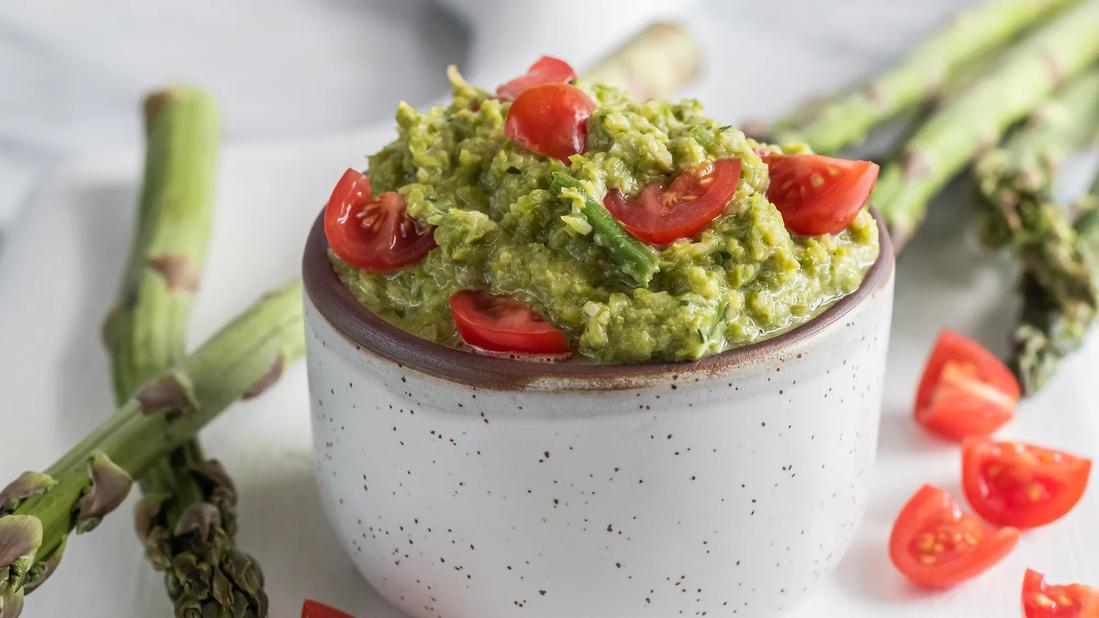
Image content: This image is available to view online.
View image online (https://assets.clevelandclinic.org/transform/81343cd3-27ed-45ff-bc7f-386948381ad9/mexAsparagusDip-Ashley-061920-770x533-1-jpg)
Mexican aparagus dip with diced tomatoes in a small bowl
A typical guacamole contains 200 calories per half cup, as heart-healthy avocados pack a high-calorie punch. So, why not try making guacamole with asparagus instead? Asparagus offers the gut-healthy prebiotic, inulin. It’s also a rich source of vitamin K and B vitamins. Substituting asparagus for avocado slashes calories, too — whittling them down to 30 calories per serving.
Advertisement
Cleveland Clinic is a non-profit academic medical center. Advertising on our site helps support our mission. We do not endorse non-Cleveland Clinic products or services. Policy
Serve with vegetables such as cucumber, red peppers, celery or carrots instead of chips for even more calorie savings.
Advertisement
Makes 10 servings
Calories: 30
Total fat: 0 g
Saturated fat: 0 g
Trans fat: 0 g
Cholesterol: 0 mg
Sodium: 75 mg
Total carbohydrate: 6 g
Fiber: 3 g
Sugars: 3 g
Protein: 3 g
— Recipe provided by Digestive Disease Health Team Dietitians.
Advertisement

Sign up for our Health Essentials emails for expert guidance on nutrition, fitness, sleep, skin care and more.
Learn more about our editorial process.
Advertisement
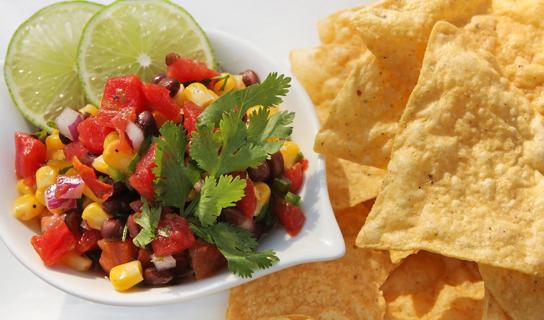
This tasty salsa is simple to make and simply delicious

Mix up your favorite guac by adding feta, rice vinegar and oregano!
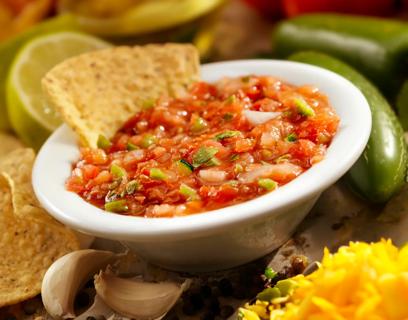
A colorful combo of veggies that complements more than just chips!

As an appetizer or the main course, this pizza will please
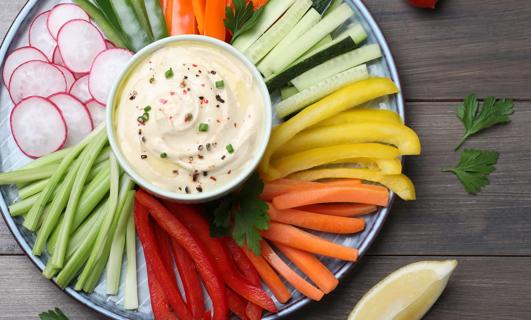
Nonfat and low-fat cream cheese combine for great taste

A low-sugar, low-fat dip perfect for snacking
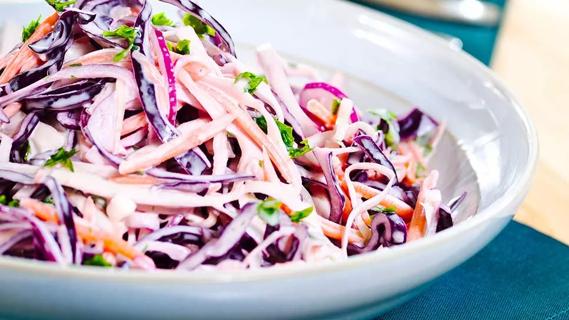
This interesting twist on coleslaw is a taste bud delight

Super healthy and super tasty

Managing your weight through physical activity may lower your chances of getting this common cancer

It typically starts in October and winds down in early spring, with cases at their highest in the middle of winter

Anxiety disorders, health conditions and past trauma can make driving nerve-wracking — help is available
 Search










