Locations:





This root veggie can also benefit your gut, heart and eyes

Image content: This image is available to view online.
View image online (https://assets.clevelandclinic.org/transform/bfcbda23-49a0-4f95-ae94-8362c0a825ce/sweet-potatoes-2186713767)
Variety of raw sweet potatoes on a plate
Sweet potatoes are a fall favorite. But they’re available year-round — and they’re packed with nutrients that support your overall health.
Advertisement
Cleveland Clinic is a non-profit academic medical center. Advertising on our site helps support our mission. We do not endorse non-Cleveland Clinic products or services. Policy
Registered dietitian Natalie Crtalic-Lowther, RD, LD, shares what makes sweet potatoes a go-to for nearly any meal, as well as how best to prepare them.
Sweet potatoes aren’t actually potatoes. This root vegetable is a starchy carb from the morning glory family. Like its cousin water spinach, it’s a popular ingredient in Southeast Asian cuisine. In the U.S., it’s primarily grown in California, Mississippi and North Carolina, and they’re typically harvested in the fall, from August through November.
Sweet potatoes are great for your gut, heart and eyes. Here are five benefits of the subtly sweet starchy carbohydrate.
One large sweet potato (about 180 grams) that’s been cooked with the skin on contains:
Sweet potatoes are also a great source of:
Because of their natural sugars, sweet potatoes are sweet enough on their own without having to add any additional sugar. Spice it up with cinnamon or nutmeg, and you’ve got all the flavor of a pumpkin pie without the sugar high or saturated fat.
“Sweet potatoes can curb cravings and help you feel fuller longer,” says Crtalic-Lowther. “It’s a versatile root veggie you can use in all kinds of meals.”
Advertisement
Sweet potatoes fill you up fast because they’re high in fiber. That also means they support your digestive system and help keep your bowel movements regular, as other high-fiber foods do.
In addition, sweet potatoes help maintain a healthy amount of bacteria in your gut microbiome, improving intestinal health and reducing your risk of colon cancer.
Beta-carotene gives sweet potatoes their bright orange color. When you eat this antioxidant, it gets converted into vitamin A, which helps protect your vision. Vitamin A may:
“Sweet potatoes have so much vitamin A that they often exceed how much you need in a single day,” notes Crtalic-Lowther.
Purple sweet potatoes have been shown to help manage blood sugar and support a healthy gut microbiome because of the anthocyanins that give them their dark purple pigment.
Anthocyanins are also anti-inflammatory and may protect against heart disease. They can also help improve your recovery from exercise.
The high concentration of dietary fiber in sweet potatoes can also help reduce the risk of heart disease, especially when paired with other foods in a high-fiber diet. The reason? It can help lower your blood cholesterol, which takes pressure off your heart and arteries.
“Sweet potatoes are a good source of potassium, which can also help regulate and manage your blood pressure,” says Crtalic-Lowther.
Crtalic-Lowther recommends eating sweet potatoes in healthy moderation. For a single meal, about one medium-to-large sweet potato (130 to 150 grams) should do it.
Another way to think about it is to follow “the plate method,” where one-fourth of your plate is a starch, one-fourth is a lean protein and half your plate is a non-starchy vegetable like green beans or broccoli.
To get the most benefit, she recommends sweet potatoes that’ve been:
“Use extra virgin olive oil or avocado oil instead of butter because they’re anti-inflammatory and have a healthier balance of fats,” says Crtalic-Lowther. “I also recommend adding other spices like cinnamon, clove and nutmeg to elevate the flavor for people who are trying to be mindful of how much sodium they consume.”
From curbing cravings to maintaining heart health, sweet potatoes deliver big health benefits in a naturally sweet package. Add them to your plate year-round to get the most out of this versatile root.
Advertisement
Advertisement

Sign up for our Health Essentials emails for expert guidance on nutrition, fitness, sleep, skin care and more.
Learn more about our editorial process.
Advertisement

From sauerkraut to kimchi, these foods can help keep your gut healthy

This East Asian and subtropical fruit is packed with delicious nutrition
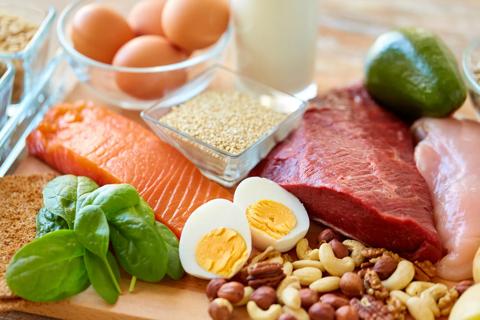
Lean meats, fish, dairy and plant proteins can help you meet your protein needs without piling on saturated fat and sugar

Choosing snacks with protein can help curb hunger, support muscle health and keep your energy steady between meals

Fish packs plenty of protein, heart-healthy fats and other body-boosting nutrients into every bite

Both are healthy choices, but wild-caught salmon offers a few more benefits
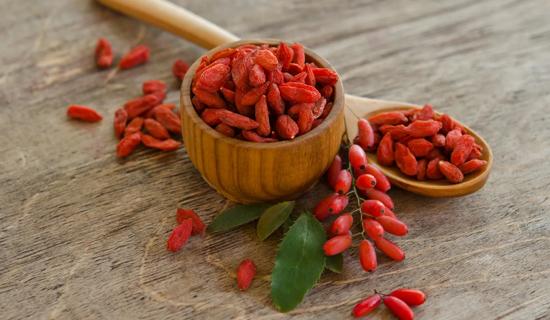
These bright berries are packed with nutrients and antioxidants that may support your eyes, immune system and overall well-being

The general rule is 1.2 to 1.6 grams of protein per kilogram of body weight — but that may not be exactly right for you

Managing your weight through physical activity may lower your chances of getting this common cancer

It typically starts in October and winds down in early spring, with cases at their highest in the middle of winter

Anxiety disorders, health conditions and past trauma can make driving nerve-wracking — help is available
 Search










