Locations:





 Search
It turns out that jumping around is as healthy as it is fun
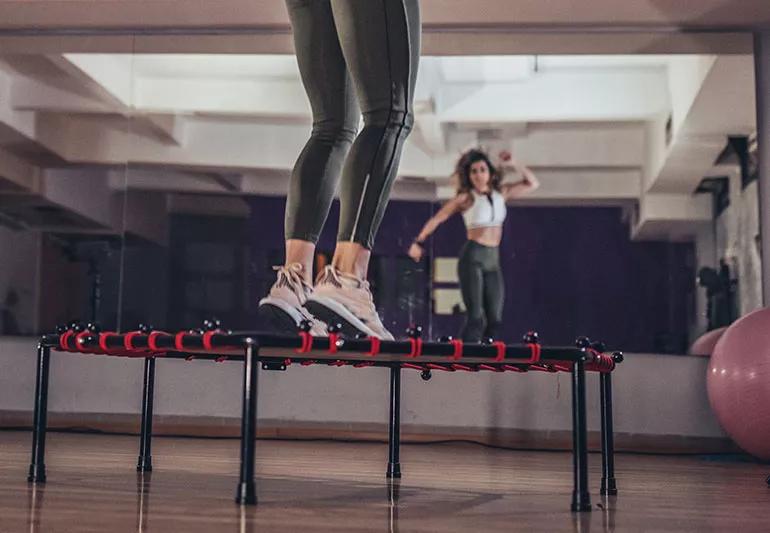
Image content: This image is available to view online.
View image online (https://assets.clevelandclinic.org/transform/c32bd92d-54ea-4e45-b3b2-3ade4389e95d/miniTrampolineEx-1130896966-770x533-1_jpg)
exercising on a mini trampoline
Jump on it! Jump on it! Jump on a trampoline, that is, if you want some serious health benefits disguised within a very fun, bouncy workout.
Advertisement
Cleveland Clinic is a non-profit academic medical center. Advertising on our site helps support our mission. We do not endorse non-Cleveland Clinic products or services. Policy
Exercise coordinator Lori Lyons, MBA, AFAA, CWA, explains how you can get the jump on your health by working out on trampolines.
It depends on what kind of trampoline we’re talking about.
As a kid, you may have enjoyed bouncing on those giant backyard trampolines, the dangerous kind that terrified your parents. Those trampolines are associated with so many injuries that the American Academy of Pediatrics says they should only be used by supervised athletes in training for a sport, like gymnastics or diving.
But for adults, exercising on an indoor mini-trampoline is both safe and beneficial to your health. These smaller versions, known as rebounders, are specifically designed for individual workouts.
“Rebounders are low to the ground, which gives you more stability and lessens the chance that you’ll go flying off them mid-jump,” Lyons says.
Rebounding (the act of jumping on a rebounder) is a full-body workout that impacts — you guessed it — your entire body. Here are some of the known health benefits of jumping on a mini-trampoline.
Unlike targeted training, jumping requires the use of multiple muscles. “When you jump, you use the entire momentum of your body, which forces all of your different muscles to work simultaneously,” Lyons explains.
Advertisement
All of that up-and-down works everything from your abs and glutes to your leg and back muscles, building a strong core and beyond.
“As we get older our bones become more fragile, and it’s very important to start doing the exercises that will improve our bone density,” Lyons says.
One study found that competitive trampolinists had higher bone density at the hip and spine than their peers. Of course, most people aren’t competitive trampolinists — but the data suggests that regular trampolining can help strengthen your bones, which lessens your chances of osteoporosis.
Speaking of bone density: As we age, we’re prone to decreased bone density, which can increase the likelihood of getting injured during a fall. But one study found that 14 weeks of mini-trampoline exercises increased seniors’ ability to regain their balance before falling by about 35%.
“Rebounding is associated with better balance, coordination and motor skills, which can be especially important for people who are at risk of falling,” Lyons says.
“Cardio activity strengthens the heart muscles and decreases the amount of work your body has to do to pump blood,” Lyons says. This can lower your:
All of these are, of course, very good news for your overall heart health.
There may be something to the phrase “jump for joy.” Exercise, in general, is associated with stress relief because it releases endorphins — natural substances that help you feel better and maintain a positive attitude.
Rebounding is specifically associated with stress relief because of the unique impact it has on your body.
“Jumping causes you to repeatedly tense and release your muscles, which is good for your circulation,” Lyons says. “Then, when you’re done jumping, your muscles are loose and relaxed.”
Ready to jump to it? Here are a few tips for rebounding beginners:
Advertisement
If you have any concerns about your ability to use a rebounder or how it may impact your body, be sure to check with your doctor before getting started.
Advertisement

Sign up for our Health Essentials emails for expert guidance on nutrition, fitness, sleep, skin care and more.
Learn more about our editorial process.
Advertisement

This outdoor activity can boost your mood, strengthen your body and support your long-term health
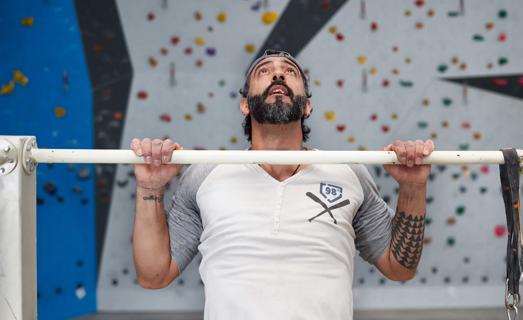
Stay slow and controlled as you work your way up past the bar
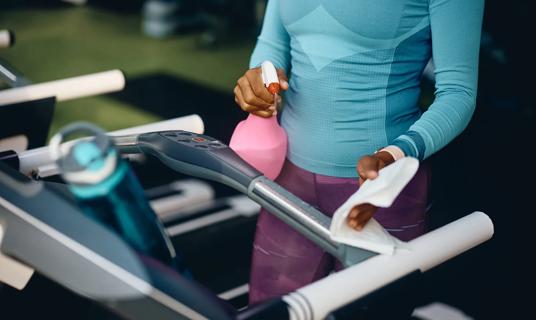
Following a few simple gym rules can help you feel confident, avoid awkward moments and stay safe
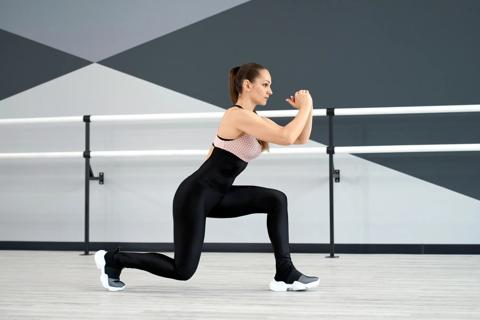
Functional fitness encourages real-life actions to help you move more easily, safely and confidently
Clamshells, Pallof presses and Romanian deadlifts can help strengthen and build core muscles
This popular game is a great, high-quality workout that can improve heart health, muscle strength, balance and coordination

Hope you’re hungry because the answer is both
Goals that are specific, measurable, attainable, relevant and time-bound can support improvement in your health and wellness

This ‘harm reduction’ approach to sobriety involves subbing one substance for another — a method that isn’t backed by research

Educate your child about body image, expectations and skin care first

A true chlorine allergy is extremely rare — it’s far more likely that you have a damaged skin barrier











