Locations:





Dehydration, diet and diabetes are a few possible reasons
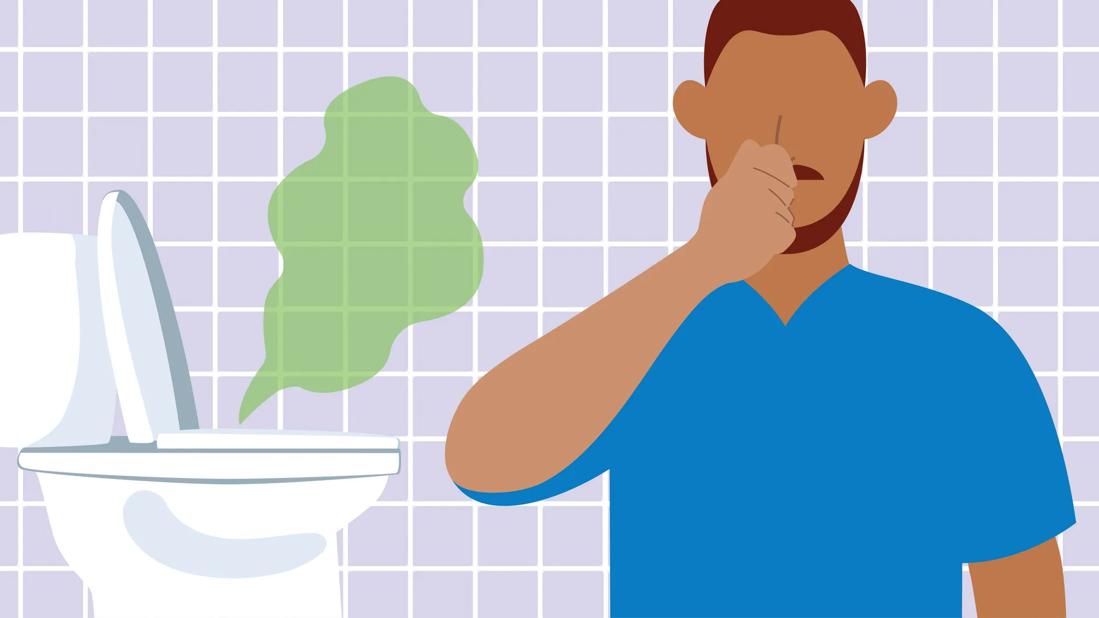
Image content: This image is available to view online.
View image online (https://assets.clevelandclinic.org/transform/3202f59f-805b-4b2f-b5aa-ac3343ab3e2f/toilet-smells-2222604335)
Person holding their nose against a bad smell coming from the toilet
Most of the time, peeing isn’t a notable experience. But then there are days when your nose picks up a certain … funkiness.
Advertisement
Cleveland Clinic is a non-profit academic medical center. Advertising on our site helps support our mission. We do not endorse non-Cleveland Clinic products or services. Policy
Consider it a whiff of information, as the smell of your urine can offer important insight into what’s happening inside your body.
Let’s learn how to sniff out the clues with urologist Rashed Ghandour, MD.
While urine doesn’t usually smell like anything, various factors — a few of them concerning — can cause pee to take on a strange or unpleasant odor.
“Occasional bouts of smelly pee are completely normal,” Dr. Ghandour reassures. “It reflects the life you’re living.”
Common causes of bad-smelling pee include:
Advertisement
The causes we’ve laid out are just the tip of the smelly-pee iceberg. Some people even notice a change in their urine’s smell during pregnancy! So, when is nose-plugging pee worth calling a provider about, and when should you go with the flow?
Not all pungent pee is worth worrying about, but if you detect a hint of sweetness, ammonia, popcorn or rotting fish, it’s time to see your primary care provider. Dr. Ghandour explains why.
Pee with a smell reminiscent of ammonia or bleach can indicate a wide range of health concerns, but the most common is a urinary tract infection (UTI).
Urine showing signs of a UTI may also be cloudy or even a bit bloody. Peeing may become painful, too. For an extra twist of cruelty, you might also get the urge to pee more often. Fever and mental confusion are other telltale signs.
If you have multiple symptoms, Dr. Ghandour advises scheduling a visit with a healthcare provider.
You won’t be alone. UTIs send about 10 million people in the U.S. to a healthcare provider every year for antibiotic treatment. Women and older adults are more prone to getting the infection.
Dr. Ghandour says urine can also carry a whiff of ammonia because of:
An ammonia-like odor can also be linked to dehydration, as well as certain foods and vitamins.
“If the smell pops up and disappears quickly, there’s little reason for concern,” he clarifies. “But if it lingers, get checked by a medical professional.”
Pee with a sugary or fruity fragrance can serve as a warning sign of diabetes or high blood sugar. The sweet smell comes from your body unloading excess glucose (sugar).
In children, particularly newborns, sweet-smelling tinkle might indicate maple syrup urine disease. This rare, life-threatening metabolic disorder prevents the body from breaking down specific amino acids found in food.
The underlying message here? Urine that smells sweet shouldn’t be ignored. Dr. Ghandour urges you to check in with a healthcare provider.
If you haven’t had one of the foods that’s known to give pee a sulphuric scent, a foul smell emanating from your toilet bowl could be a sign of a rare metabolic disorder.
Trimethylaminuria, also known as fish odor syndrome, is a rare condition where your body can’t process trimethylamine — which, as it happens, is a particularly stinky chemical.
The unfortunate result? Pee, breath and sweat that smells like rotting fish. (Hence the name.) This condition can be inherited or acquired. While it’s an unpleasant condition, it isn’t dangerous.
Advertisement
Not so for another condition that can cause smelly pee: tyrosinemia. Tyrosinemia has three distinct types, all of which are dangerous. Infants with this genetic disorder can’t break down an amino acid called tyrosine, which is foundational to most proteins. The resulting tyrosine buildup can cause major complications.
Tyrosinemia is very rare, but if your infant’s urine is foul-smelling, Dr. Ghandour says you should talk to your baby’s pediatrician anyway, just to be safe.
There are lots of possible reasons for pee to smell like popcorn — some serious, some not. If taking a whizz only makes your bathroom smell like a movie theater temporarily, it’s probably from something you ate or dehydration. But if it happens frequently, Dr. Ghandour says it could point to:
“If your baby’s urine smells like popcorn, they might have a rare genetic condition called phenylketonuria (PKU),” Dr. Ghandour adds. The good news? Many countries around the world, including the U.S., screen newborns for PKU before they ever leave the hospital. If you live in one of those countries, you can cross this one off the list of possibilities.
There’s usually a pretty basic explanation for urine that smells a bit different. It’s just the way your body functions, reiterates Dr. Ghandour. In most cases, that funk should disappear within a day or so.
Advertisement
But if the smell stays and is accompanied by other symptoms, it’s something that deserves further investigation. Don’t ignore it.
Advertisement

Sign up for our Health Essentials emails for expert guidance on nutrition, fitness, sleep, skin care and more.
Learn more about our editorial process.
Advertisement

The color and shade of your urine offer a window to your health

These moisture sensors can help kids’ brains and bladders make the connection needed to end overnight accidents
Most kids grow out of bedwetting over time, but certain strategies can help — including having them evaluated for other medical conditions
Unless you have other symptoms, green urine is probably a souvenir from food, dyes or medicine
Urine can contain bacteria, viruses and more — don’t drink it or use it to clean wounds
Don’t ‘go with the flow’ if you have issues with urge incontinence or a contagious infection

Going seven times a day is average, but more or less can be OK, too, as long as you’re not experiencing drastic changes

An enlarged prostate, diuretics and bladder irritants can all contribute

Hormonal changes, a slower metabolism and muscle loss can make weight gain more common around menopause — healthy habits can help you manage it

Life-threatening complications include sepsis, stroke, pneumonia and more

Fruity-smelling breath can happen when your body burns fat for energy, and in some cases, can signal a medical emergency
 Search










