Locations:





 Search
Understand drug-food interactions
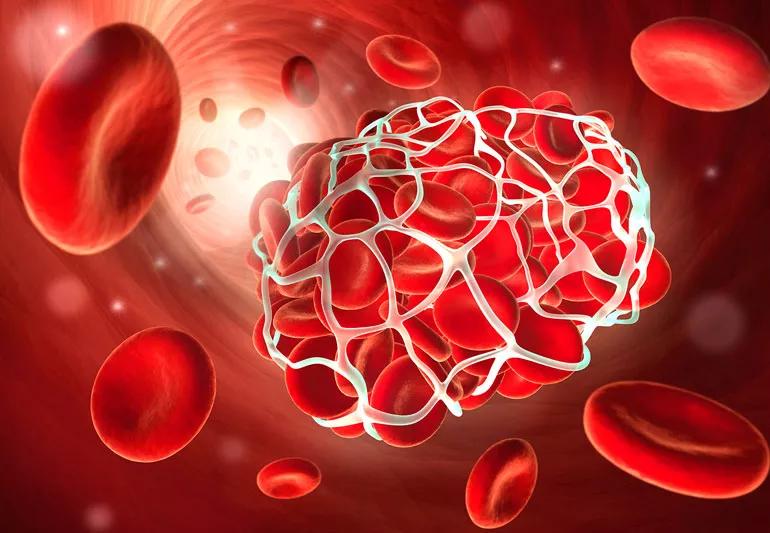
If you are a heart patient who is taking blood thinners, such as warfarin (Coumadin®), you need to be careful not to overdo vitamin K.
Advertisement
Cleveland Clinic is a non-profit academic medical center. Advertising on our site helps support our mission. We do not endorse non-Cleveland Clinic products or services. Policy
Blood thinners are often prescribed for people at risk for developing harmful blood clots.
If you suddenly increase your intake of vitamin K, it can have an unintended consequence. It can actually decrease the effect of warfarin, says cardiologist Leslie Cho, MD.
“This is because vitamin K is an essential part of the chemical process for forming blood clots in your body,” she says.
You don’t want to cut out vitamin K completely, as it is present in a variety of healthy, nutrient-rich foods. These include leafy greens and many vegetables. Instead, be smart about how much vitamin K you consume, be consistent, and work with your doctor to find just the right balance.
For example, if you eat a diet rich in vitamin K, you may need to check your blood a little more frequently or take more warfarin. If you change your diet and eat fewer foods containing vitamin K, you may need to take less warfarin.
Work with your doctor to find the right dose for you.
Here are three tips to help you safely manage your vitamin K intake:
“Vitamin K foods can be included in your diet on a regular basis as long as you are mindful of the portion and keep the overall intake of vitamin K-rich foods consistent, says Julia Zumpano, RD, LD.
Advertisement
For instance, you can choose to have a vitamin K rich food every day, every week, or three times in a week — as long as you keep this portion and frequency consistent, she says.
“If necessary, you can discuss including regular sources of vitamin K in your diet with your doctor in case your warfarin dosage would need to be adjusted,” she adds. You will want to tell your physician how often you eat foods high in vitamin K and how much of those foods you eat. Being knowledgeable about vitamin K is a key to managing it in your diet.
There are a variety of vegetables that contain lower amounts of vitamin K. These include:
Iceberg lettuce is low and romaine is also fairly low, so most people can eat either if them daily. In addition, be sure to read labels on multivitamins as they have varying amounts of vitamin K. Talk to your doctor about what vitamins you should take.
You may need to avoid certain supplements and vitamins to keep your blood values stable. Talk to your doctor about any and all supplements you take to be sure they are not interfering with your blood thinners.
Another way to manage how well your blood thinners work is to take your dose of warfarin at the same time each day, and from day to day, make sure your vitamin K intake is consistent, Dr. Cho says.
To be sure you’re on track, have your blood values checked regularly (usually once per month with your physician; this may be more often during dose adjusting).
Below, find more details on the amount of vitamin K present in different foods, including leafy greens, vegetables and other foods as provided by the U.S. Department of Agriculture.
When it comes to blood thinners, the more you know the better you can manage your diet. Be sure to talk to your doctor if you have any concerns.
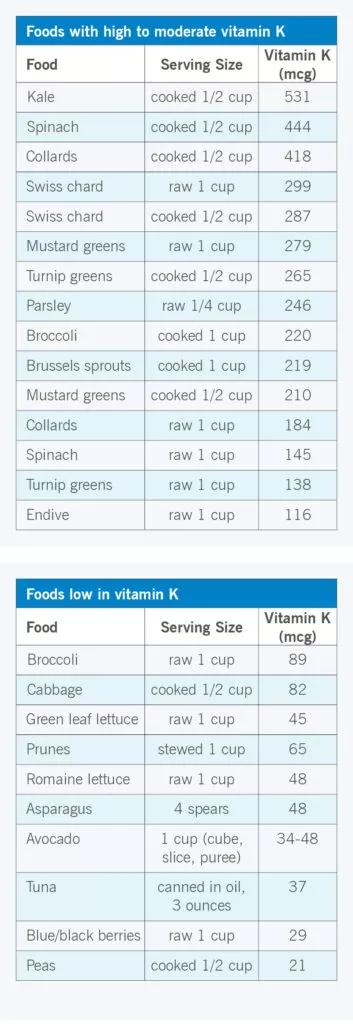
Image content: This image is available to view online.
View image online (https://assets.clevelandclinic.org/transform/4f7af7d0-2310-4820-82f0-f572dc4ff1f3/table-HEpost-vitK-foods-353x1024_jpg)
Advertisement
Learn more about our editorial process.
Advertisement
Bleeding is a risk and warrants taking care, but the reward of this lifesaving medication is great
The short answer from a cardiologist

Eating heart-healthy foods, moving around more and getting quality sleep are a few ways to get started

There’s no way to stop a heart attack on your own — call for help immediately
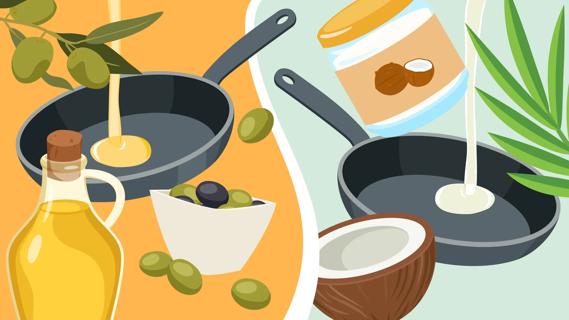
Olive oil is high in heart-friendly unsaturated fats

Babies are born with very little of this vitamin, which plays a critical role in the blood clotting process
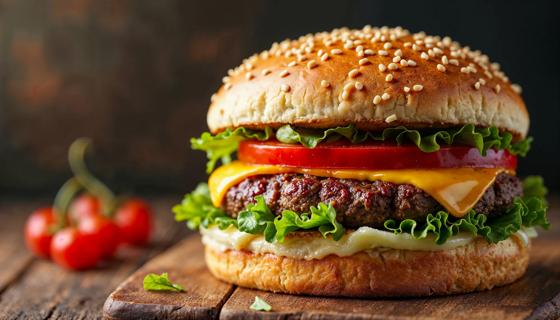
High amounts of cholesterol and saturated fat in red meat may be linked to heart disease
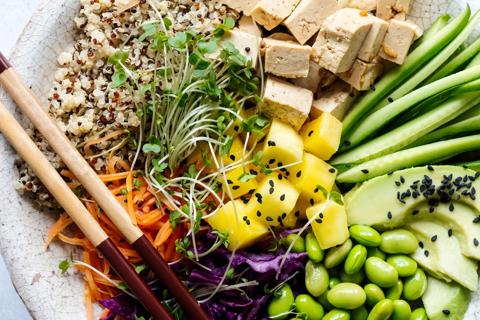
This plant-based eating plan focuses on lowering cholesterol, making it a great companion to the Mediterranean diet

Wearing a scarf, adjusting your outdoor activities and following your asthma treatment plan can help limit breathing problems
Your diet in the weeks, days and hours ahead of your race can power you to the finish line

When someone guilt trips you, they’re using emotionally manipulative behavior to try to get you to act a certain way











