Locations:





 Search
Powerful smell, powerful health benefits
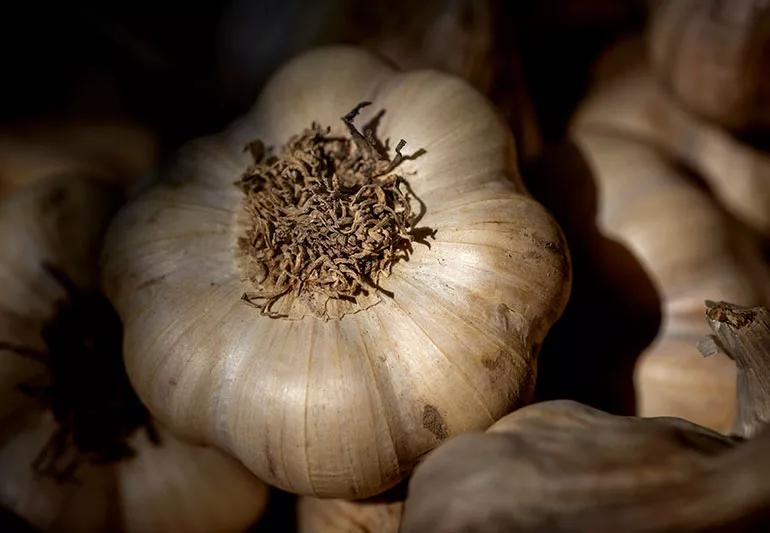
Image content: This image is available to view online.
View image online (https://assets.clevelandclinic.org/transform/9bbdbfe8-16c0-4dbb-83e8-eea780277592/SixGarlicBenefits-LD-770x533-1_jpg)
A large clove of unpeeled garlic
Garlic. Roasted in olive oil, it melts in your mouth like butter. Chopped and raw, it tastes pungent and sharp. In oil form, it can soothe sore muscles. You can even make tea from garlic. No matter how you use it, garlic offers significant benefits — in addition to being delicious!
Advertisement
Cleveland Clinic is a non-profit academic medical center. Advertising on our site helps support our mission. We do not endorse non-Cleveland Clinic products or services. Policy
Dietitian Laura Jeffers, MEd, RD, LD, offers six surprising ways that this herb-like vegetable boosts your health.
Yes, garlic offers multiple health benefits. “Garlic gets its pungent smell from an organic sulfur compound called allicin,” Jeffers says. “This compound also makes garlic a healthy addition to your diet.”
Who knew boosting your immunity could be as simple as eating more garlic? According to one study involving 41,000 women between the ages of 55 and 69, those who routinely ate garlic, fruits and vegetables had a 35% lower colon cancer risk.
Research has shown that garlic oil works as an anti-inflammatory. If you have sore and inflamed joints or muscles, rub them with garlic oil. The Arthritis Foundation even recommends it to help prevent cartilage damage from arthritis.
Research also indicates that garlic can have a positive impact on your arteries and blood pressure.
Researchers believe red blood cells turn the sulfur in garlic into hydrogen sulfide gas. That expands our blood vessels, making it easier to regulate blood pressure.
Before putting your blood pressure medication away, though, consult your doctor to see if adding more garlic to your diet could be beneficial for you.
Advertisement
Garlic’s antibacterial properties and antioxidants can clear up your skin by killing acne-causing bacteria. One study shows rubbing raw garlic over pimples can clear them away.
Be aware, though, that garlic could cause a burning sensation on your skin. Consult your dermatologist first before trying this technique, especially if you’re using any other skin care products.
Those same antibacterial properties in fresh garlic can kill the bacteria that lead to food poisoning, including Salmonella and E.coli. Don’t use garlic as a substitute for proper food sanitation and food handling, though.
Garlic also fights fungus. If you have athlete’s foot, soak your feet in garlic water or rub raw garlic on your feet to attack the itch-causing fungus.
Taking advantage of garlic’s benefits sometimes gets a little complicated. For example, the study linking garlic to improved immunity showed benefits came from raw and cooked garlic — not supplements.
Heating up garlic or putting it in a recipe can change garlic’s pH balance. The enzymes from the allicin need a few minutes to start working, so let it sit after you mince, crush or chop it.
“You’ll get the most benefit from raw garlic,” says Jeffers. “But if you choose to cook it, don’t heat it above 140 degrees Fahrenheit (60 degrees Celsius). Higher temperatures kill the allicin, so add garlic to your recipes when you’re almost done cooking.”
It’s best to consult your doctor before starting to take any supplement — especially a daily supplement. That advice especially applies to garlic supplements.
On rare occasions, garlic supplements can cause headaches, fatigue, appetite loss, muscle aches, dizziness and allergic reactions like asthma attacks or skin rashes.
If you take blood thinners, a garlic supplement can increase the medication’s effect, making it even harder for your blood to clot.
Garlic can also irritate your skin. “You may also get a stinging feeling on the skin if you handle significant amounts of fresh and dried garlic,” says Jeffers. “To avoid garlic-induced skin lesions, wear kitchen gloves.”
And, despite garlic’s many health benefits, don’t add too much to your diet too quickly. Overdoing it can cause discomfort, including upset stomach, bloating, diarrhea, body odor and bad breath. Pass the after-dinner mint, please!
Advertisement

Sign up for our Health Essentials emails for expert guidance on nutrition, fitness, sleep, skin care and more.
Learn more about our editorial process.
Advertisement

This caffeinated South American tea contains antioxidants and other nutrients that may offer some health benefits
Protein is essential in your diet, but piling more onto your plate isn’t always better

Choosing snacks with protein can help curb hunger, support muscle health and keep your energy steady between meals
Fish packs plenty of protein, heart-healthy fats and other body-boosting nutrients into every bite

Both are healthy choices, but wild-caught salmon offers a few more benefits
These bright berries are packed with nutrients and antioxidants that may support your eyes, immune system and overall well-being
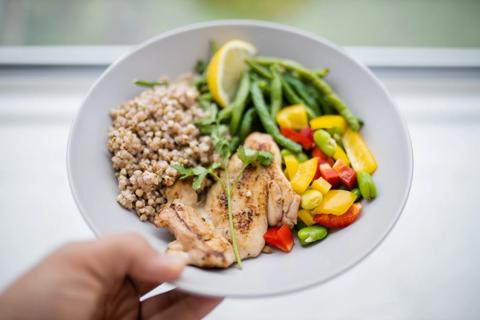
Prepping ingredients ahead of time, rethinking your snacks and making smart protein swaps can up your daily intake
It’s a good on-the-go option and can help build muscle and aid in weight loss

Glute bridges are simple bodyweight exercises worth adding to any workout

Cancer that’s spread beyond the prostate is considered ‘advanced’

The best choices are high in omega-3s and protein and low in mercury











