Locations:


More research is needed to understand how this flavorful spice may help with lowering cholesterol, blood pressure and inflammation
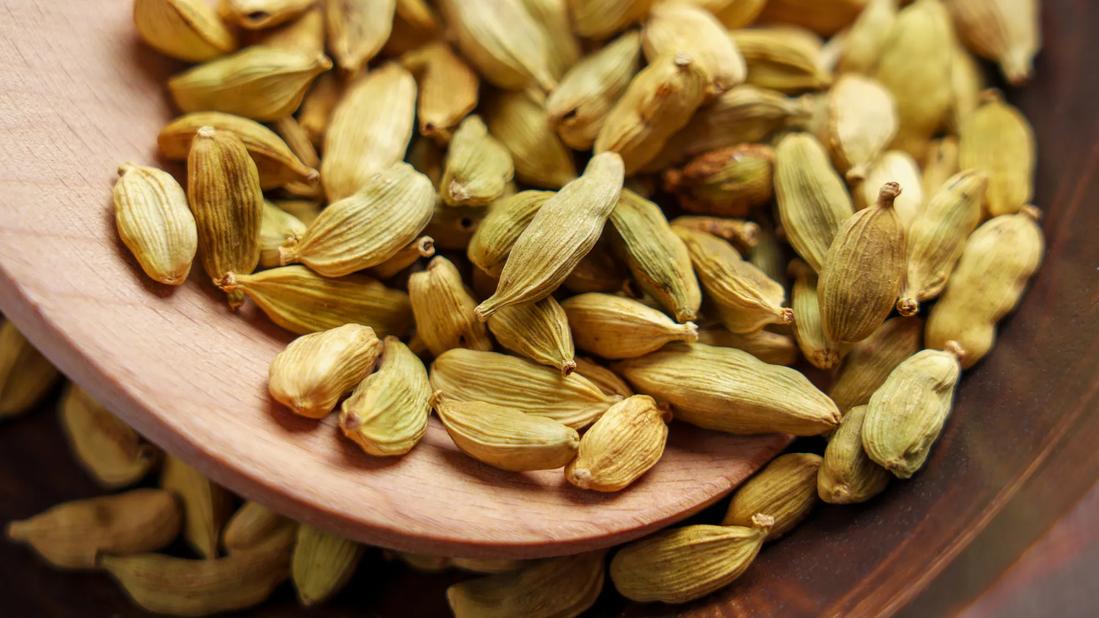
Image content: This image is available to view online.
View image online (https://assets.clevelandclinic.org/transform/df9523ab-7996-4c63-9693-a7713efff81c/cardamom-2282891874)
Cardamom pods on a wooden spoon
Look at your spice rack, and you probably have a jar of ground cardamom. The fragrant ingredient works well in both sweet and savory dishes. It also has a history of medicinal use for treating digestive issues and freshening bad breath.
Advertisement
Cleveland Clinic is a non-profit academic medical center. Advertising on our site helps support our mission. We do not endorse non-Cleveland Clinic products or services. Policy
While current research on cardamom and its health benefits is limited, adding it to your dishes may potentially help lower cholesterol, blood pressure and inflammation.
Registered dietitian Beth Czerwony, RD, LD, shares what we know about the versatile spice.
Native to India, the spice is widely available online or in grocery stores and Asian markets. You can usually find cardamom sold as whole pods, seeds or as a ground powder. While green cardamom is the most popular, there are also black and white varieties. Black cardamom has more of a smoky, earthy flavor, while white cardamom is milder.
With its distinct aromatic flavor, green cardamom has notes similar to mint and citrus. It’s commonly the main ingredient in chai tea and used often in curries. It’s also one of many spices used in blends like garam masala and ras el hanout.
“You can crush the whole pods to release its flavor in broths and other savory dishes,” shares Czerwony. “Or you can ground seeds or use a ground powder for baking.”
Though it has been used as a traditional remedy for centuries, more research is needed to understand how cardamom can benefit your health. What we do know is that cardamom contains nutrients like:
Advertisement
While using cardamom won’t prevent or treat certain health conditions, Czerwony shares what benefits researchers have looked into.
A review of studies outlined one clinical trial of women with obesity and prediabetes who took 3 grams of cardamom for two months. The results? Their overall cholesterol, as well as their LDL (“bad” cholesterol), were lower.
“While this seems promising, it was a small human study,” clarifies Czerwony. “Larger human studies are needed to see if results are consistent.”
Cardamom may help lower your blood pressure, but, again, more research is needed.
In a meta-review of eight randomized controlled trials, researchers noted a decrease in both systolic and diastolic blood pressure in participants.
“But it’s important to note that those people were given a larger dose of cardamom than you might typically use in cooking,” points out Czerwony.
That same meta-review also examined the possible anti-inflammatory effects of cardamom. Those studies found a reduction in three specific inflammatory markers, but it doesn’t prove that eating more cardamom can help with inflammation in your body.
“It only suggests there may be a link,” stresses Czerwony. “We need more research to fully understand any connection between inflammation and using cardamom.”
Advertisement
Using cardamom in your baking and cooking should be safe. But if you’re thinking about taking a cardamom supplement, Czerwony stresses the importance of talking to a healthcare provider first.
“Supplements aren’t regulated by the U.S. Food and Drug Administration (FDA),” she explains. “Taking a cardamom supplement may not be advised for children or those who are pregnant or breastfeeding.”
Cardamom can be a great way to add some flavor and depth to everything from cookies and stews to coffees and teas.
But when it comes to its potential health benefits, more evidence is needed to fully understand the role cardamom may play in your overall well-being.
But that doesn’t mean you shouldn’t give cardamom a try in your recipes.
“Cardamom can add complexity to your dishes,” says Czerwony. “It can be a nice companion to other spices like cinnamon, nutmeg and cloves.”
Advertisement

Sign up for our Health Essentials emails for expert guidance on nutrition, fitness, sleep, skin care and more.
Learn more about our editorial process.
Advertisement
Packed with antioxidants, this tiny fruit can help keep your teeth, heart and gut healthy
While there’s limited research, the horned melon contains nutrients that may help with your immune system and skin health
Small, but mighty, they’re nutritional powerhouses with loads of fiber and protein

This tropical fruit is a good source of fiber and vitamin C, but it can be unsafe for people with kidney problems
Products like turmeric, fish oil and probiotics blur the line between food and supplements
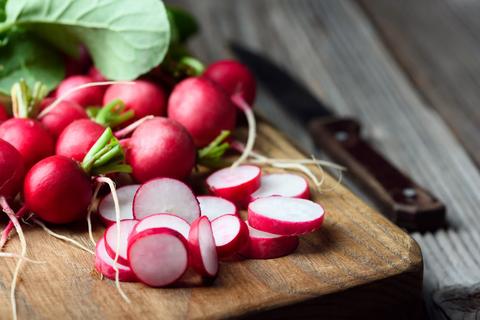
The root vegetable is a low-calorie food that may help with gut health
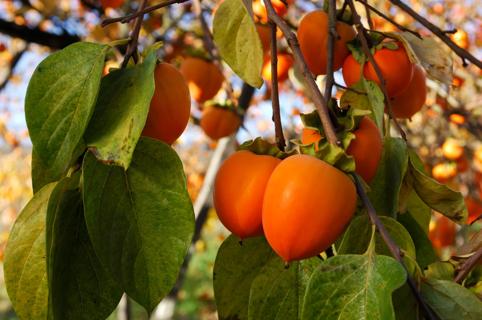
This East Asian and subtropical fruit is packed with delicious nutrition
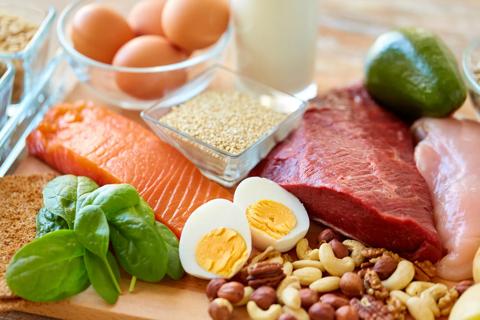
Lean meats, fish, dairy and plant proteins can help you meet your protein needs without piling on saturated fat and sugar

This low-impact activity could boost your cardiorespiratory health

The advice dates to 1574, but it falls a little short given what we know today

Most tongue pain isn’t too serious, but seek help if it’s severe or lasts longer than a few weeks
 Search