Locations:





Nothing in those bottles will work as well as healthy habits
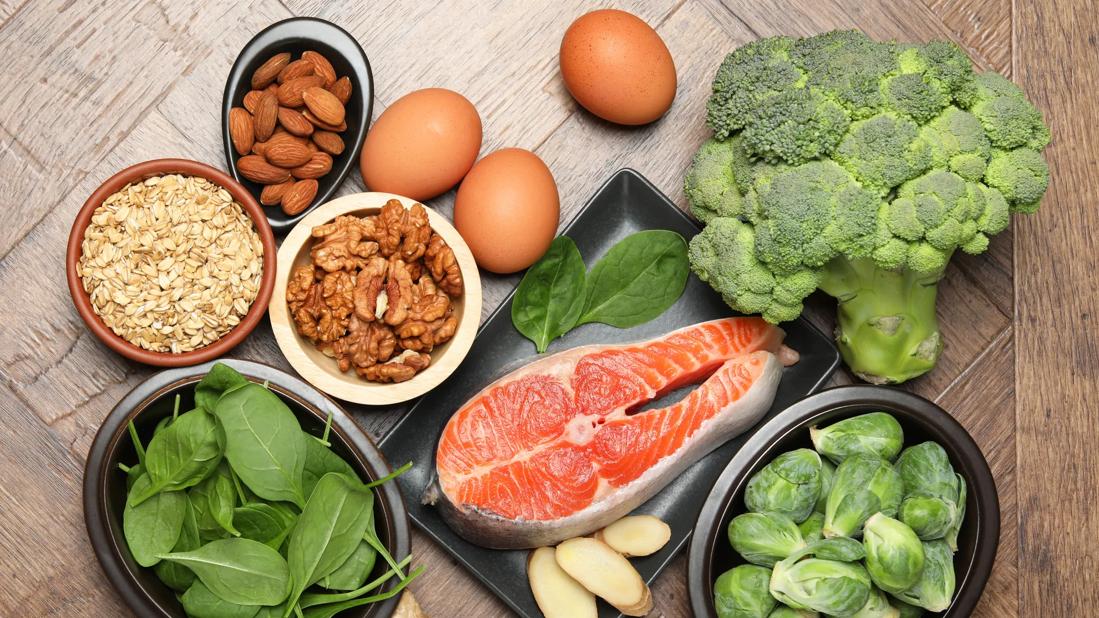
Image content: This image is available to view online.
View image online (https://assets.clevelandclinic.org/transform/cb8ea45c-f260-48be-a835-b17c3d7d5405/brain-supplement-food-2223175504)
Variety of foods that support brain health, with salmon, walnuts, shellfish and leafy greens
The promise of better brain health in a bottle can be hard to resist. Improve your memory! Focus better! Lower your risk of dementia!
Advertisement
Cleveland Clinic is a non-profit academic medical center. Advertising on our site helps support our mission. We do not endorse non-Cleveland Clinic products or services. Policy
But can popping a pill really boost your brainpower?
“The research in this area is in its infancy,” says memory and cognitive health specialist Babak Tousi, MD. “We don’t yet have the data we need to make a recommendation about whether brain health supplements work. And there are some safety concerns.”
Here’s what you should know before you buy supplements for your brain.
Many of the nutrients used in brain health supplements are ones that scientists and dietitians know are most helpful for our brains. But the strongest evidence supporting their role in brain health comes from research on getting these nutrients in your diet — not as standalone supplements.
“There are more than 25,000 bioactive substances in food,” Dr. Tousi says. “These components all work together to protect your body, including your brain.”
Think of it like this: Getting proper nutrition to support your brain (and the rest of your body) is a team sport. Sure, there are some standouts, but every single member of the team has a role to play.
Taking supplements for brain health is like putting your quarterback out on the field alone. No linemen to protect them, no receivers to throw the ball to. Without the rest of the team, the QB isn’t going to be nearly as effective.
Advertisement
Still, you might be curious about some of the big-name players that grace the labels of brain-boosting supplements. Dr. Tousi shares some advice.
Omega-3s are said to boost your brain by supporting memory, thinking and more. They’re a type of healthy fat that’s important for several body functions, and they’re perhaps best known for supporting your heart health.
Scientists are studying whether they may also benefit your brain, too. The results so far?
“There’s not enough research to say that a supplement has the same benefits as omega-3 fatty acids from foods,” Dr. Tousi reports.
Instead of supplementing, consider getting your omega-3s in foods like:
Researchers have explored the link between cognition and several B vitamins, most notably:
Most people get plenty of B vitamins from their diet, Dr. Tousi says. But some older adults and people who follow a vegetarian or vegan diet may be at higher risk for a vitamin B12 deficiency.
In those cases, supplements may support your overall health, including your brain health. But a multivitamin may be a better bet over taking B vitamins specifically.
“If you’re taking a daily multivitamin, it’s likely providing enough B12, along with other key nutrients, unless you have a confirmed vitamin B12 deficiency, which requires much higher doses than a standard multivitamin provides,” Dr. Tousi clarifies.
And always talk with a healthcare provider before starting a new supplement.
Vitamin E is an antioxidant that protects your cells from damage.
There’s some evidence that people who eat a diet rich in vitamin E may be less likely to develop dementia. But it’s not clear whether vitamin E supplements have the same brain-boosting benefits. Other studies suggest that people who already have dementia may benefit from vitamin E supplements to potentially slow the rate of decline.
But there are some drawbacks here. Vitamin E is a fat-soluble vitamin. That means your body stores it up for future use. And having too much vitamin E hanging around can be harmful.
Advertisement
“High doses of vitamin E supplements are associated with an increased risk of brain bleeds, which can be life-threatening,” Dr. Tousi states.
Instead of supplements, he recommends a vitamin E-rich diet, with foods like:
Vitamin D is another staple in some brain supplements. Some people will tell you it’s tied to lower dementia risk. And it’s sometimes credited for supporting your mental health, but that hasn’t been borne out in research.
That said, lots of people don’t get enough vitamin D, and it’s not naturally found in many foods.
“The primary way you get vitamin D is through sun exposure,” Dr. Tousi says. “So, people who spend a lot of time indoors or who live in a climate where the sun is scarce can be at higher risk for not getting enough vitamin D.”
In those cases, it may be worth it to talk with a healthcare provider about whether you may benefit from vitamin D supplements to support your bones, muscles, heart health and more.
Magnesium is another nutrient that’s often included in brain supplements. You may have heard that it can support cognition and memory, while lowering your dementia risk.
But again, the research on the effects of magnesium supplements for boosting your brainpower is thin.
Advertisement
What we do know is that magnesium is essential for other processes in your body. That includes regulating blood sugar and blood pressure and promoting energy production.
But you can check those boxes by getting enough magnesium in your diet. Magnesium-rich foods include:
Lion’s mane mushrooms have long been used in traditional Chinese medicine and Native American healing practices. It’s sometimes called the “smart mushroom” based on its use in traditional practices to support brain health.
Some early studies suggest it contains compounds that help grow and repair nerve cells. Others suggest that older adults with mild cognitive impairment found modest improvements in cognitive test scores while taking lion’s mane.
But overall, the research is limited.
“We need more studies to know whether it meaningfully improves brain health,” Dr. Tousi notes.
Ginkgo is an herb that’s long been popular as a supplement for cognitive health. But its reputation isn’t backed by hard evidence.
A large study of more than 3,000 participants found that ginkgo was no better than a placebo at preventing dementia in older adults. In people who already had dementia, some modest benefit in daily function is reported, but it didn’t slow the rate of cognitive decline.
Advertisement
The other problem? Ginkgo is known to interact negatively with a host of other medications, including blood thinners. So, take caution when using it.
There’s little evidence that any dietary supplements for your brain can be relied on to improve cognition or prevent dementia.
The good news? There are science-backed ways to give your brain (and the rest of your body) some love. Here’s what we know can help.
Bottom line? Your best bet is to skip supplements and get your brain-boosting nutrients from your diet. Not only is that the more effective route, but it’s the safest, too.
“Supplements are loosely regulated in the U.S., which means there’s no guarantee they work as advertised — or that they’re even safe,” Dr. Tousi points out. “Studies cited by manufacturers aren’t always high quality, and some products may contain ingredients at doses that could be harmful or contaminated with substances like heavy metals.”
If you’re still interested in considering supplements, talk with a healthcare provider for advice about what may be safe for you.

Sign up for our Health Essentials emails for expert guidance on nutrition, fitness, sleep, skin care and more.
Learn more about our editorial process.
Advertisement
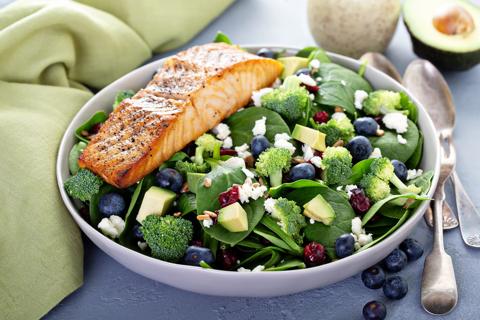
Turn to foods that are high in polyphenols, antioxidants and omega-3 fatty acids

Physical activity can help preserve and improve your cognitive function and fend off dementia, stroke and other health concerns

When the familiar suddenly feels unfamiliar, it could be nothing — or something worth noting

Déjà vu is a fleeting, false memory — it can be harmless or a sign of something more
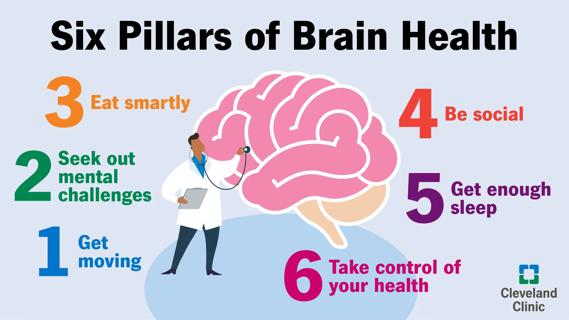
The ‘Six Pillars of Brain Health’ offers a game plan to maintain cognitive function

The tickling response may be more about protection than enjoyment
You can build mental muscle by challenging your mind and giving it new experiences
This first-of-its-kind study aims to identify biomarkers of neurological disorders
Rapid weight loss can cause loose skin, facial volume loss and body contour changes

Swallowing too much air, certain foods and drinks, and digestive conditions can all make you belch more

From poor hand hygiene and ventilation issues to contaminated food, many factors can make infectious diseases spread quickly
 Search










