Locations:


Look at menus in advance, ask for modifications and consider portion sizes
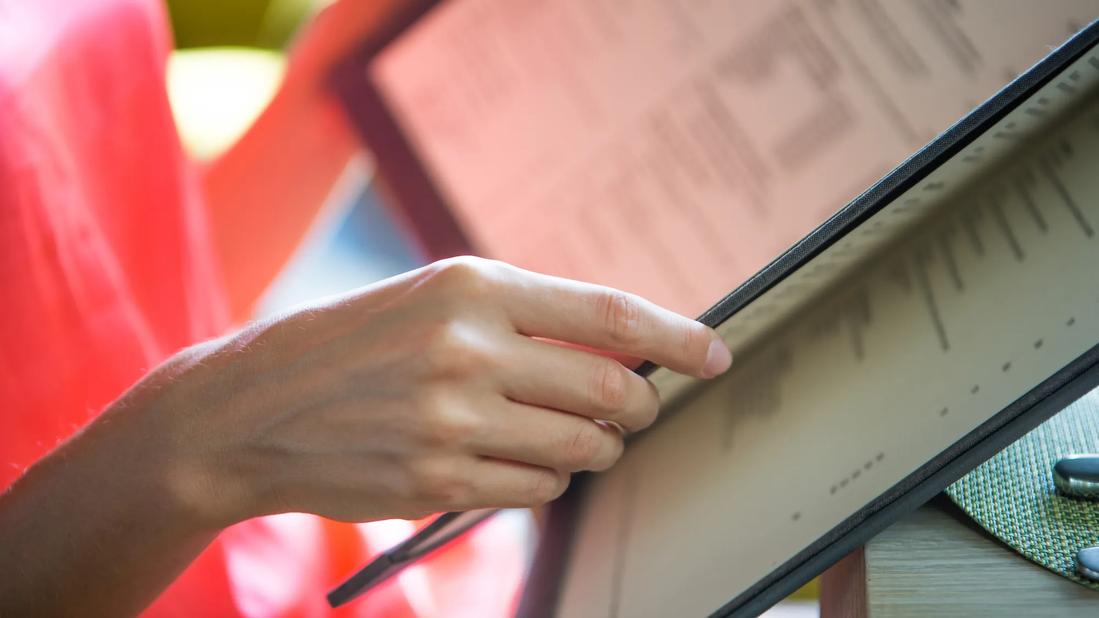
Image content: This image is available to view online.
View image online (https://assets.clevelandclinic.org/transform/88d36734-d7ff-4223-b046-8a53eb3bd2f1/food-menu-507329479)
Hands holding restaurant menu
Whether you’re ordering at the drive-thru or sitting down at your favorite local restaurant, it can be daunting to know what menu items might be best for your Type 2 diabetes (T2D).
Advertisement
Cleveland Clinic is a non-profit academic medical center. Advertising on our site helps support our mission. We do not endorse non-Cleveland Clinic products or services. Policy
Registered dietitian and diabetes educator Nicole Bruno, RD, LD, shares tips and strategies for making smart choices when eating out.
It’s possible to enjoy a meal out with Type 2 diabetes. The goal isn’t to avoid or limit foods that make you happy.
“It’s all about enjoying things in moderation, which may mean only eating certain foods a couple times a month,” says Bruno. “Dining out can be a good opportunity to enjoy dishes that you wouldn’t typically eat at home.”
Here’s how you can dine out and still feel satisfied while staying on track with managing your Type 2 diabetes.
Looking at a menu online before you head to a restaurant can help you game plan. Then, you won’t feel stressed or rushed to make a split-second decision once you’re there.
“Ideally, you want to choose a dish that has carbohydrates, protein and a vegetable,” recommends Bruno. “So, for example, if you find a dish you want to eat but it doesn’t come with a protein, you can see if they can add a grilled chicken breast.”
And while it’s OK to eat carbs, a general guideline is to keep them to about 30 to 60 grams per meal.
Certain keywords on a menu can give you a glimpse into the nutritional makeup of a dish. Look for options that are:
Advertisement
These cooking methods may be a good choice if you want to cut down on fat or calories in your overall meal.
Just because a restaurant serves you a heaping bowl of pasta or a towering pile of fries doesn’t mean you need to eat all of it during your meal.
“It can be helpful to get a to-go box in advance and place half the meal in it to take home or split a meal with whoever you’re dining with,” suggests Bruno.
Take the same approach with dessert if you want it. Maybe share that slice of cake with others at the table. Or just have a bite or two to satisfy your craving and take the rest home.
Most restaurants are OK with making modifications or swaps.
One popular request is getting sauces (like teriyaki or barbecue) or dressings (like ranch and French) on the side, rather than having them mixed in during preparation. Then, use the fork method: Dip your fork into the sauce and then into your food.
“Doing so can reduce any unwanted calories or carbs,” says Bruno. “Sauces and dressings on the side allow you to portion how much you want to put onto your food.”
Another smart move? If a meal comes with side dishes, like fries or mashed potatoes, try swapping them for more nutritious choices, like grilled vegetables or a side salad.
Advertisement
As you consider what to eat, don’t forget to think about your drink. It can be easy to order a soda or lemonade and not give it a second thought.
But many beverages (even mocktails and cocktails) can come with extra calories, carbs and added sugar. So, make sure you factor what you’re drinking into your overall plan when ordering.
“You can also ask if a restaurant has any sugar-free or diet options, or just drink water,” notes Bruno.
Unlimited breadsticks! Never-ending chips and salsa! All these extras can make it tempting to overindulge, which may spike your blood sugar.
But if you want to have a breadstick or few chips, plan on just having a smaller amount. And make sure you factor what you eat into your overall game plan.
You might think it’s no big deal to skip a meal to save up calories and carbs for a night out. But that can backfire on you.
“You want to continue to eat balanced meals and snacks the day of going to a restaurant,” says Bruno. “That’s going to help limit overeating at a restaurant.”
You can confidently eat out with Type 2 diabetes, especially if you prepare in advance and make smart choices. And if you overdo it, don’t be too hard on yourself.
“It’s important to know that not every meal has to be perfect,” reassures Bruno. “You want to have a flexible diet and enjoy the things you love in moderation.”
Advertisement

Sign up for our Health Essentials emails for expert guidance on nutrition, fitness, sleep, skin care and more.
Learn more about our editorial process.
Advertisement

Paying attention to serving sizes, total carbs and other stats can help you make informed food choices

Drinking water doesn’t lower blood sugar, but hydration does support diabetes management
Fiber slows down digestion, helping prevent blood sugar spikes

Remission is possible for Type 2 diabetes, but it requires significant, sustained changes to your health

Avoiding outside messaging may be difficult, but you can change how you think about T2D

Track your blood sugar levels and pay attention to any symptoms, like feeling thirstier than normal

Prioritize your health by managing stress, strengthening your social connections and getting quality sleep
Keto can reduce blood sugar, but that doesn’t mean it’s right for everyone
This low-impact activity could boost your cardiorespiratory health

The advice dates to 1574, but it falls a little short given what we know today

Most tongue pain isn’t too serious, but seek help if it’s severe or lasts longer than a few weeks
 Search