Locations:





Autumn allergens typically begin to bloom — and release their pesky pollen — around August
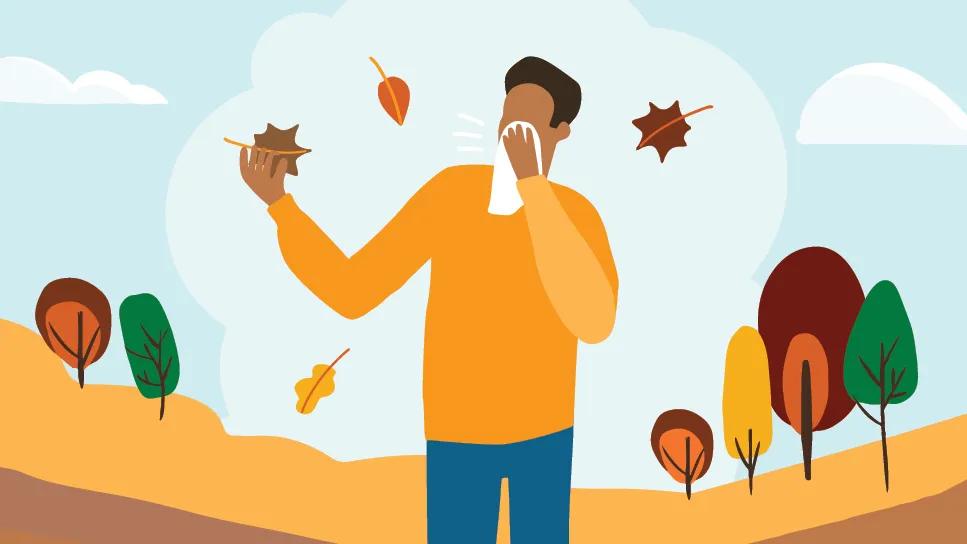
Image content: This image is available to view online.
View image online (https://assets.clevelandclinic.org/transform/3eefb282-ba63-4abe-bf05-3c9adea01109/person-sneeze-fall-leaves-1342308916)
Person with covering their sneeze with a tissue, with autumn leaves falling around them
As beautiful as fall scenery can get, it can be hard to enjoy when you’re dealing with seasonal sniffles.
Advertisement
Cleveland Clinic is a non-profit academic medical center. Advertising on our site helps support our mission. We do not endorse non-Cleveland Clinic products or services. Policy
But what causes fall allergies? And is there anything you can do about them?
We asked allergist Mark Aronica, MD, to share some tips for staying ahead of your allergies this fall.
Autumn allergies are a form of allergic rhinitis, also called hay fever. It occurs when your immune system reacts to pollen in the air.
Pollen remains one of the biggest fall allergy culprits — just as it is during spring and summer. What changes with the seasons is the type of pollen being released.
“Fall is when weed pollen peaks,” Dr. Aronica explains. “If it’s an unseasonably warm fall, you may also deal with grass pollen allergies at the same time, making already troublesome symptoms even worse.”
The most common fall allergen is ragweed, which typically blooms in late August. Ragweed flowers produce a lot of pollen. Dr. Aronica says a single plant can release up to a billion grains of the stuff.
Other common fall allergens include:
Damp weather and decaying plant life also mean fall can be a tough time for people who are allergic to mold.
If you’re sensitive to allergens that peak during the fall, expect to deal with:
Advertisement
You may also experience fatigue, brain fog and sleep issues, especially if you’re using antihistamines to manage your symptoms.
Fall may give rise to seasonal allergies, but it’s also the start of respiratory season. So, how can you tell whether you’re dealing with a virus or allergies?
You’ve likely got an upper respiratory infection if your symptoms include:
Another hint?
“If allergy medications aren’t making much of a dent in your symptoms, you might have a virus,” Dr. Aronica says.
Not everyone needs a formal diagnosis of allergic rhinitis. But if your fall allergy symptoms are bad enough that they affect your quality of life, it may be a good idea to connect with an allergist.
“We’ll examine you, discuss your symptoms and do a skin test to identify your triggers,” Dr. Aronica outlines. “Allergy shots are prescribed and managed by an allergist, so if that’s something you’re interested in, you need to see a specialist.” (More on that option later.)
Autumn allergies are best handled with a combined approach. Dr. Aronica shares go-to home remedies, over-the-counter (OTC) medications, prescription drugs and allergy prevention techniques that may provide relief.
There are lots of tried-and-true home remedies for allergies. If you’re feeling under the weather right now:
It’s equally important to know which home remedies to skip. There’s no evidence supporting the use of essential oils for allergies, and they may make things worse. Dr. Aronica recommends sticking with evidence-based practices instead.
Advertisement
If home remedies aren’t getting the job done, hit up a drugstore or pharmacy to try an OTC medication, such as:
“These medications are generally very good at managing most allergies,” Dr. Aronica notes.
Try taking OTC allergy meds before your allergies act up, too, especially if high pollen counts are in the forecast.
If over-the-counter treatments aren’t getting the job done, you may need a prescription-strength medication, like:
Advertisement
The best way to prevent seasonal allergies is to limit your exposure to triggers.
“The mainstay of therapy is avoidance,” Dr. Aronica says.
But that can be difficult when you’re allergic to pollen, which blows in the crisp autumn breeze and settles on everything in its path. Here’s how you can fight allergies in the fall:
Though these tips will help reduce your exposure, Dr. Aronica understands that it’s pretty much impossible to fully avoid pollen. So, make sure your medicine cabinet is stocked for occasional flares.
Ultimately, there isn’t a cure for allergies. But a combination of home remedies, medications, prevention and planning can help ease your symptoms. That means less time sniffling and more time leaf peeping.
Advertisement

Sign up for our Health Essentials emails for expert guidance on nutrition, fitness, sleep, skin care and more.
Learn more about our editorial process.
Advertisement
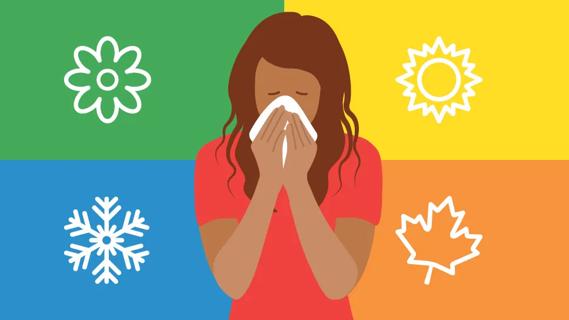
Aging, time of day, time of year and weather patterns can all make your allergies worse
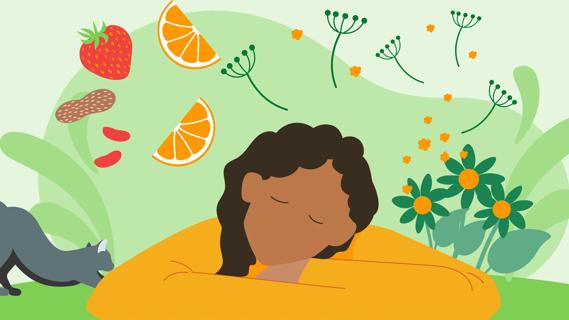
Drowsiness can be a side effect of inflammation, disrupted sleep and, sometimes, your allergy medicine
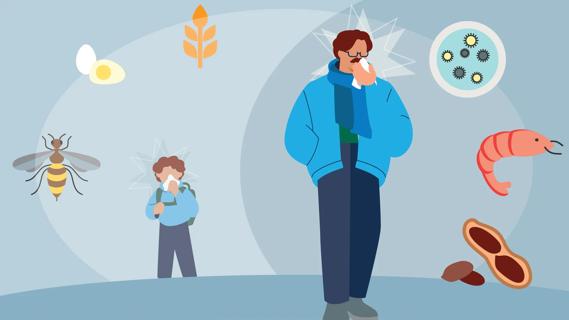
Changes in your immune system, environment and exposure can all cause allergy symptoms to fade with time
The research is mixed, but experts agree: The risks outweigh the benefits
Keeping your windows closed, showering before bed and using OTC allergy meds may help keep summer sniffles at bay
The right choice for you depends on your symptoms, but options like nasal sprays and antihistamines can offer relief
When your allergies flare up depends on your location, immune health, personal triggers and more
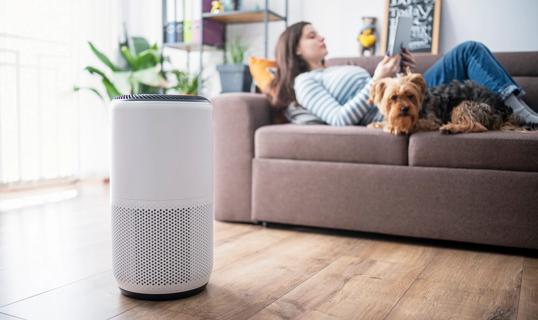
Washing your sheets, rinsing your sinuses and running an air purifier are simple tricks for all-natural allergy relief

Managing your weight through physical activity may lower your chances of getting this common cancer

It typically starts in October and winds down in early spring, with cases at their highest in the middle of winter

Anxiety disorders, health conditions and past trauma can make driving nerve-wracking — help is available
 Search










