Locations:


Contrary to popular belief, local honey is unlikely to put a dent in your seasonal allergy symptoms
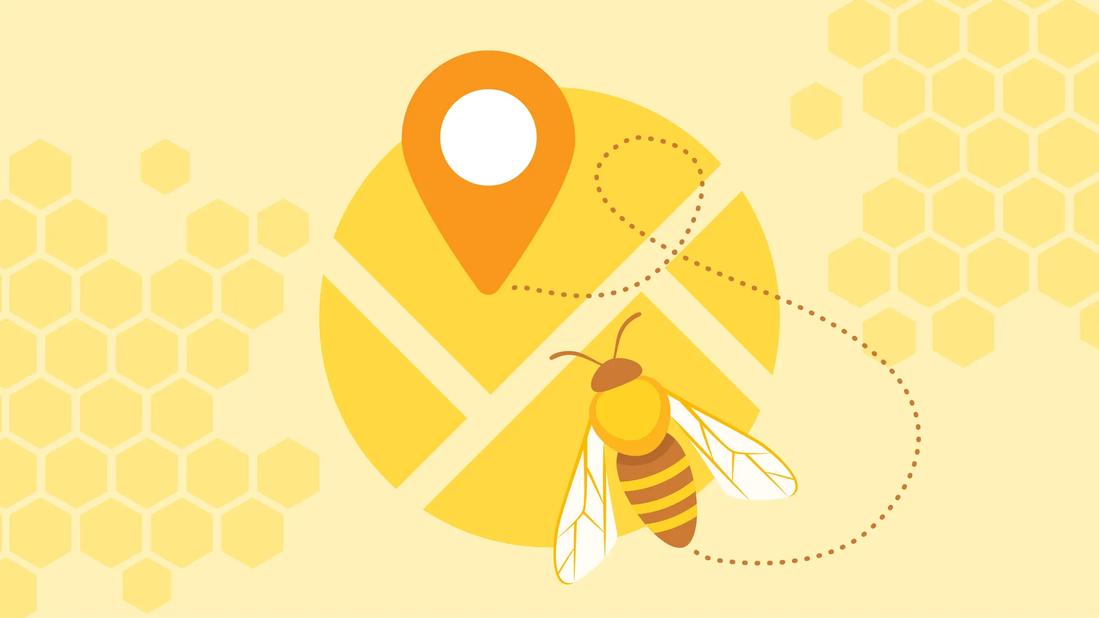
Image content: This image is available to view online.
View image online (https://assets.clevelandclinic.org/transform/dd65c36f-155e-49ca-94ab-27d34a477d09/local-honey-allergy)
Honey bee flying toward a location, with honeycomb patterns
If you’re hoping to be spared the sniffling and sneezing during allergy season, you may consider turning to your pantry for help. But is there any evidence behind the claim that eating local honey can prevent or treat allergies?
Advertisement
Cleveland Clinic is a non-profit academic medical center. Advertising on our site helps support our mission. We do not endorse non-Cleveland Clinic products or services. Policy
Allergist Katherine Weller, MD, explains why local honey doesn’t live up to the hype and what you can do instead to keep seasonal allergies at bay.
Many people think local honey helps allergies by desensitizing your immune system. That may be wrong, but it isn’t far-fetched.
“We often use immunotherapy — controlled exposure to the substances that trigger your allergies — to help people outgrow them,” Dr. Weller explains.
Pollen immunotherapy usually takes the form of:
So, why not just eat a teaspoon of honey from a local apiary every day? Won’t that have the same desensitizing effect?
Nope.
To start, bees make honey from plant nectar, not from pollen. Unless pollen is added to honey during the manufacturing process, it’s usually only present in trace amounts, if any at all.
“Even if it’s local and unpasteurized, honey is inconsistent,” she adds. “Even when it does contain pollen, the levels are usually too low to make a difference.”
Plus, she says that bees also only pollinate certain plants — and many common seasonal allergens, like weed and grass pollens, don’t make the cut.
Advertisement
OK, so honey isn’t a great option for dealing with pollen allergies. But can it help with allergies in some other way?
So far, it’s not looking good. There isn’t much research on local honey and allergies. And Dr. Weller says that the few studies that do exist had small sample sizes and produced mixed results.
“Some studies showed no improvement in allergic rhinitis symptoms with honey, and some showed only minimal changes,” she reports. “A 2010 study showed a significant benefit, but it used a pollen-enhanced honey that isn’t available in stores.”
At least for now, the only way to desensitize your immune response to pollen is through immunotherapy guided by an allergist.
While it’s unlikely to ease your allergies, honey is generally safe to eat. But there are a few key exceptions:
There’s one other thing to keep in mind.
“Local honey isn’t harmful for most people, but if you rely on it alone for allergy relief, you aren’t going to get the relief you need,” Dr. Weller states. “If you want to feel better fast, it’s best to try an allergy treatment that’s more likely to work.”
If a honey habit won’t send seasonal allergies packing, what will?
Dr. Weller says the best approach depends on your goals. If you’re looking for relief in the moment and aren’t already being treated for allergic rhinitis, try:
If you take prescription medications for allergies, they’ll also provide relief in the moment. “If you want a fix that’s going to improve your symptoms long term and reduce your medication needs, talk to an allergist about immunotherapy,” Dr. Weller advises.
As for all-natural treatments that aren’t local honey, she says you can skip those, too.
“I know some people try homeopathic, nonmedical options, like essential oils, herbs and supplements,” she relays. “They end up coming to see me because those approaches don’t work.”
Advertisement
There are several evidence-based ways to manage seasonal allergies. Eating local honey isn’t one of them — but it can still be helpful when you’re under the weather. Consider using it to coat your sore throat or calm your cough, and enjoy it in that soothing mug of warm tea.
Honey may not prevent seasonal sniffles, but it can offer comfort when you need it most. And that’s pretty sweet.
Advertisement

Sign up for our Health Essentials emails for expert guidance on nutrition, fitness, sleep, skin care and more.
Learn more about our editorial process.
Advertisement

Seasonal allergies don’t typically cause diarrhea, but food allergies may
Autumn allergens typically begin to bloom — and release their pesky pollen — around August
Aging, time of day, time of year and weather patterns can all make your allergies worse
Drowsiness can be a side effect of inflammation, disrupted sleep and, sometimes, your allergy medicine
Changes in your immune system, environment and exposure can all cause allergy symptoms to fade with time
The research is mixed, but experts agree: The risks outweigh the benefits
Keeping your windows closed, showering before bed and using OTC allergy meds may help keep summer sniffles at bay
The right choice for you depends on your symptoms, but options like nasal sprays and antihistamines can offer relief
Eyes typically increase to full size during two growth spurts in childhood
To start, opt for calorie-dense foods that are rich in protein and healthy fats

Pre-birth injections and monoclonal antibodies can help prevent serious complications
 Search