Locations:





Breast cancer treatments can lower your fertility, but egg freezing and other preservation measures may be an option

Image content: This image is available to view online.
View image online (https://assets.clevelandclinic.org/transform/81129c01-35b4-4692-b8e1-1b3b9370b848/doc-talks-couple-1070775070)
Healthcare provider talking with couple
A breast cancer diagnosis can make it tough enough to plan for the week ahead, let alone the years to come.
Advertisement
Cleveland Clinic is a non-profit academic medical center. Advertising on our site helps support our mission. We do not endorse non-Cleveland Clinic products or services. Policy
But addressing your pregnancy and fertility goals is an important part of creating your treatment plan. And whatever you decide, your future self will thank you for considering it.
Reproductive endocrinologist Mindy Christianson, MD, explains your options for fertility preservation and breast cancer treatment.
For some people, breast cancer treatments lower your chances of conceiving only temporarily. For others, treatments may make it so they can’t get pregnant without intervention.
“Cancer treatment can impact fertility in many ways,” Dr. Christianson says. “It depends on factors like which treatments you had, how old you are and where you are in your reproductive life.”
She explains a few ways breast cancer treatments affect fertility.
Advertisement
Newer treatments, like immunotherapy and biologics, haven’t been around long enough for healthcare providers to fully understand how they may impact fertility. So, if those treatments are recommended as part of your plan, fertility preservation will likely be a part of the conversation, too.
If you’re interested in preserving your fertility before starting cancer treatment, there are several options. The best choice for you will depend on your sex, age, diagnosis, treatment timeline and personal goals.
“There isn’t a one-size-fits-all approach,” Dr. Christianson explains. “When I meet with people with breast cancer, we talk through their family-building goals and their treatment plan together.”
Your fertility preservation options may include:
Timing is a common concern about fertility preservation. For example, it typically takes about two weeks to stimulate your ovaries and retrieve eggs for egg or embryo freezing.
Squeezing in those procedures before you begin cancer treatment can feel like putting the immediate cancer concern on the back burner. But in most cases, you have some time for fertility preservation measures before you begin other treatments.
“It’s ideal to do fertility preservation before starting chemotherapy whenever possible,” Dr. Christianson encourages. “It’s an option more often than you may think.”
But, you may be wondering, what about the procedures themselves? Before freezing eggs or embryos, providers purposefully raise your estrogen levels to make egg retrieval possible. And some breast cancers use estrogen to grow.
Your team will take that into account throughout your fertility preservation treatment. There are specific medication protocols designed to keep your estrogen exposure as low as possible. And your team will work closely together to lower the risk.
“It’s a coordinated effort,” Dr. Christianson explains. “We’re all focused on making sure cancer care remains the top priority.”
Not everyone has the time or opportunity to preserve their fertility before treatment.
Advertisement
You may have needed to start breast cancer treatment quickly. You may not have thought you wanted to have kids in the future and then changed your mind. Or real-world barriers, like insurance coverage or access to fertility specialists, got in the way.
But there’s still hope.
After cancer treatment, specialists can evaluate your fertility with blood tests and imaging to understand your chances of conceiving. Some people are able to get pregnant naturally after breast cancer treatments. Others can benefit from fertility treatments like IVF or surrogacy.
“There are many ways to build a family,” Dr. Christianson reassures. “What matters is understanding your options.”
Fertility concerns are a valid part of cancer care, and they deserve space alongside the rest of your treatment decisions. Early conversations can help you feel more informed and more in control during an overwhelming time.
“If fertility is important to you, talk to your doctor and bring it up,” Dr. Christianson says. “And even if you aren’t planning to conceive anytime soon, or aren’t sure you ever want children, having a fertility consultation can help you understand your choices.”
There are options. There is support. And there can be a life — and a family — after breast cancer.
Advertisement
Advertisement

Sign up for our Health Essentials emails for expert guidance on nutrition, fitness, sleep, skin care and more.
Learn more about our editorial process.
Advertisement

Managing your weight through physical activity may lower your chances of getting this common cancer

Not all breast lumps signal cancer, and not all breast cancer causes lumps — it’s important to know the facts
If you’re of Ashkenazi Jewish descent, these tests may be a reasonable starting point — but more thorough genetic testing can go much deeper

Breast cancer treatments can lower estrogen, which has a ripple effect on your bones
Practical help and honest conversations can make a meaningful difference
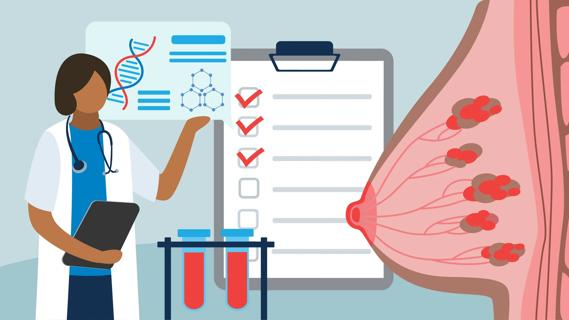
Your path lab report contains detailed information about your tumor — your care team can work with you to turn it into a care plan
Doctors look at stage, biology, genetic risk and more to recommend your treatment plan

While you can’t change risk factors, like age or genetics, lifestyle choices and regular screenings can help lower your overall risk
Managing your weight through physical activity may lower your chances of getting this common cancer

It typically starts in October and winds down in early spring, with cases at their highest in the middle of winter

Anxiety disorders, health conditions and past trauma can make driving nerve-wracking — help is available
 Search










