Locations:


The seven-part analysis identifies movement limitations and differences that may affect performance and long-term health
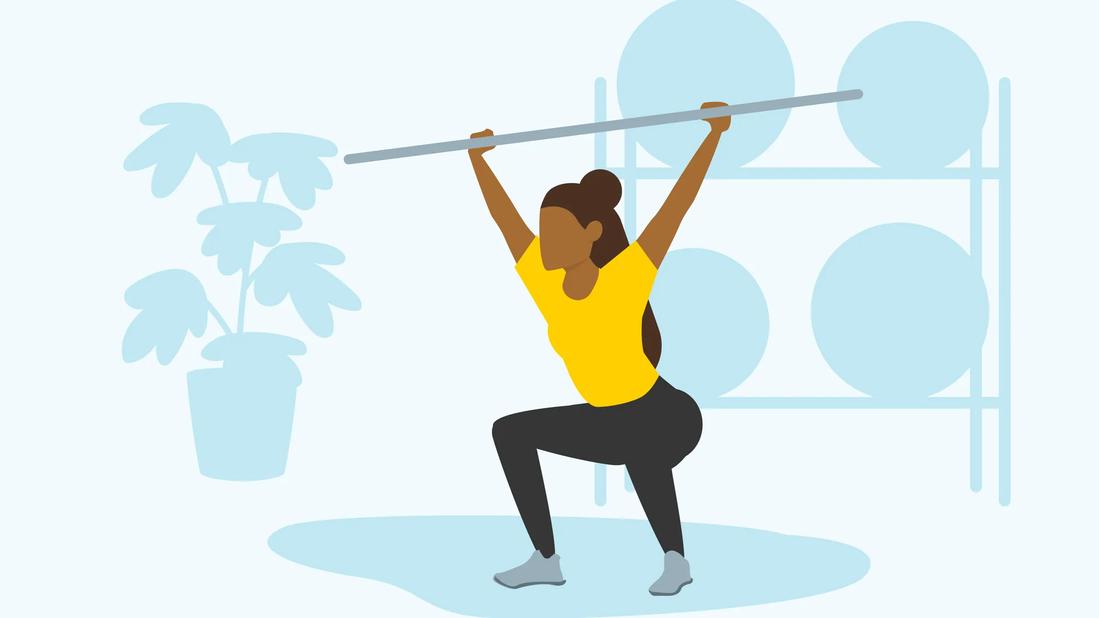
Image content: This image is available to view online.
View image online (https://assets.clevelandclinic.org/transform/9afc92b2-469b-41f3-b515-d70a2fd28a0e/functional-movement-1195799642)
Woman squatting, while keeping a bar raised above their head
Your body’s engineering is a marvel. For every movement you make, a complex system of mechanisms — muscles, tendons, ligaments and more — works in complete harmony to make it happen.
Advertisement
Cleveland Clinic is a non-profit academic medical center. Advertising on our site helps support our mission. We do not endorse non-Cleveland Clinic products or services. Policy
But if a movement feels difficult or looks off, it may be worth exploring why.
So, how can you learn more about the way your body moves? An analysis called the Functional Movement Screen™ (FMS) can help identify patterns worth a closer look.
We asked certified sports performance scientist Todd Lewarchick, DPT, to explain.
The Functional Movement Screen is a standardized seven-part assessment that looks at how you perform fundamental motions. It provides a snapshot of:
The goal is to identify movement limitations or side-to-side differences in your body. The screen itself does not diagnose a cause. Instead, it offers information that can be used to pinpoint possible reasons.
“The screen uses simple movement patterns to see how competently you perform fundamental tasks,” says Dr. Lewarchick. “If something looks limited or different from side to side, that raises useful questions about why.”
By investigating and answering those questions, you may be able to make corrections that eventually boost performance and reduce potential injury risk.
During an FMS, you’ll be asked to perform seven movement patterns targeting different areas of your body. Together, they provide information about your mobility and stability.
Advertisement
The full series of tests takes about 15 minutes to complete. The seven FMS tests are as follows:
Each test is scored 0 to 3 based on your ability to do the task. Here’s what earns you each score.
With seven tests, a max total score is 21.
“The total score can be useful as a starting point, but I pay close attention to individual movement patterns, side-to-side differences and pain,” he adds.
Movement is behavioral. Over time, we develop familiar ways of moving, sometimes adapting to limited mobility, strength, past injury or the demands of daily life. Not every adaptation is a problem, but some are worth understanding.
Dr. Lewarchick equates it to how water finds the path of least resistance: “If one ankle is stiff, you’re going to move in a different way that asks more of the other side,” he says. “Your body adjusts.”
Advertisement
Once a screen highlights a movement limitation or difference, a trained professional can decide whether more assessment or a change in exercise is helpful. The findings can help:
Bottom line? Think of FMS as an informational-gathering tool to better understand how your body moves. What you learn can help you take action to protect your body, correct movements and develop your training.
“This screening creates awareness and gives us a starting point for asking better questions,” says Dr. Lewarchick. “Then, we can match the next steps to the person, their goals and the demands they want to meet.”
Advertisement
Advertisement

Sign up for our Health Essentials emails for expert guidance on nutrition, fitness, sleep, skin care and more.
Learn more about our editorial process.
Advertisement

This modern twist on a traditional sauna may help support heart health, soothe sore muscles, manage pain and more

That unnerving sense that something terrible is about to happen can be a sign of serious distress — trust your gut

From hydration to meditation, little changes can yield big benefits
Practices range from simple lifestyle changes to extreme experiments — and not all approaches come with the same level of risk

Cold-water immersion offers benefits like sore muscle relief, but the therapy comes with risks, too
These wearable devices can help you understand your body and stay active — but how you use them matters most
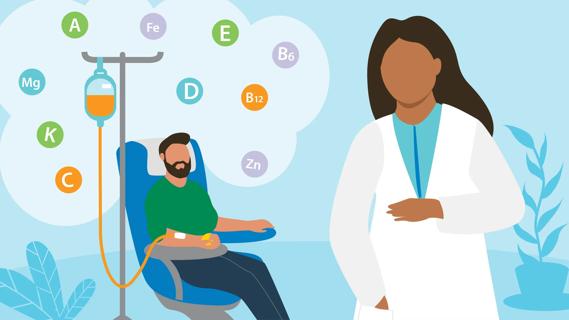
The process delivers nutrients quickly and efficiently, but research is limited on many claimed benefits
Hot tub sessions can help relieve stress, soothe sore muscles and improve heart health

Researchers say components of a snail’s mucus could help hydrate your skin and minimize future wrinkles

Despite rumors, science hasn’t shown that creatine causes hair loss

Fad diets make big promises with little or no science behind them
 Search