Locations:





That unnerving sense that something terrible is about to happen can be a sign of serious distress — trust your gut

Image content: This image is available to view online.
View image online (https://assets.clevelandclinic.org/transform/3899c965-13f2-4fd1-bff2-a42d17503158/impending-doom-2274446821)
Person sitting on floor in bedroom, dimly lit from the window, with head resting on knees
Ever had a feeling like something is terribly wrong, but you can’t put your finger on it? Or feel like the walls are closing in and you can’t escape?
Advertisement
Cleveland Clinic is a non-profit academic medical center. Advertising on our site helps support our mission. We do not endorse non-Cleveland Clinic products or services. Policy
Medical professionals call this a “feeling of impending doom.” And it can be a sign of a serious medical issue.
“It’s an overwhelming sense that something catastrophic is about to happen,” says emergency medicine physician Thomas Waters, MD. “And there are times it could point to acute physical distress.”
We talked with Dr. Waters and clinical psychologist Dawn Potter, PsyD, about what may be behind that feeling and when to seek emergency care.
Note: If you’re experiencing a feeling of impending doom along with symptoms of a heart attack, severe allergic reaction (anaphylaxis) or other medical emergency, call 911 or emergency services in your area.
A feeling, or sense, of impending doom is a visceral, deep-in-your-bones feeling that something is terribly wrong.
It’s different from typical anxiety or rumination, Dr. Potter says. “When we’re anxious, we feel a sense of worry or stress, and we might replay scenarios over and over in our heads. Impending doom is more like a sudden sinking feeling, like the floor is dropping out from under you.”
Behind the scenes, a sense of impending doom is the result of your nervous system getting bombarded with signals warning it that something is wrong. Even if you don’t know what exactly the problem is, or even if the threat is real.
Advertisement
“When our fight-or-flight response gets activated, hormones and neurotransmitters like epinephrine and norepinephrine increase,” Dr. Waters explains. Your heart may race, you might sweat or start to breathe more shallowly. That sends a cascade of messages to your brain that something is going awry.
“Your brain starts to interpret all these intensely powerful signals as an immediate threat, even if you don’t consciously understand what’s happening,” he continues.
That flurry of biochemical activity can give rise to a feeling that something is horribly wrong, but you just don’t know what.
“Most people don’t walk into my office and say I get feelings of impending doom,” Dr. Potter clarifies. “That’s the language we as clinicians use to put words to those feelings.”
Instead, you might explain it like:
These feelings may also be accompanied by physical symptoms, such as:
You might be tempted to think of a feeling of dread as something like anxiety. And there are times when impending doom can accompany anxiety disorders, including:
But there’s another reason medical professionals take a feeling of impending doom very seriously: Under certain circumstances, it can be a red flag for a life-threatening medical emergency.
“A new, sudden, unexplained or unusually intense sense of impending doom deserves prompt medical attention,” Dr. Waters says. “Don’t assume what you’re feeling is ‘just’ anxiety.”
Especially when accompanied by physical symptoms, a feeling of impending doom can be a warning that you’re experiencing a life-threatening event, like:
Seek emergency care if you have a feeling of impending doom along with symptoms of a medical emergency, like:
Advertisement
These symptoms — or others that cause you significant distress — should prompt you to seek emergency care.
Even if you have a history of similar symptoms in the past, it’s important to stay vigilant for signs of a life-threatening situation. And when in doubt, seek emergency care.
“Panic attacks and medical emergencies can produce remarkably similar symptoms,” Dr. Waters acknowledges. “Keep in mind that you can have both a panic attack and a medical emergency at the same time. You don’t want to ignore it.”
If you’re absolutely 100% sure you’re not having a medical emergency, there are some tricks you can use to help calm your nervous system and ride out a sense of impending doom. Dr. Potter recommends these strategies:
Advertisement
But again, err on the side of caution. If you have any reason to believe your feeling of impending doom could be an emergency, treat it as such.
“Most people can’t be expected to reliably distinguish between panic and a medical emergency on their own,” Dr. Waters says. “If you have any doubt, get emergency treatment.”
Advertisement

Sign up for our Health Essentials emails for expert guidance on nutrition, fitness, sleep, skin care and more.
Learn more about our editorial process.
Advertisement

From hydration to meditation, little changes can yield big benefits
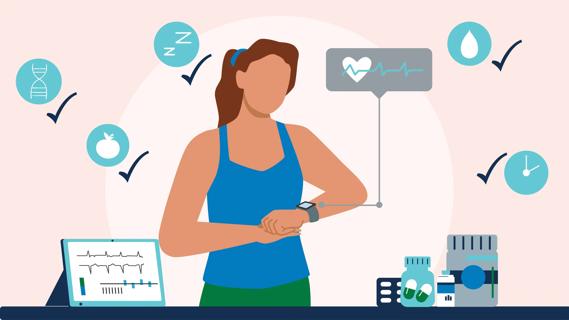
Practices range from simple lifestyle changes to extreme experiments — and not all approaches come with the same level of risk

Cold-water immersion offers benefits like sore muscle relief, but the therapy comes with risks, too
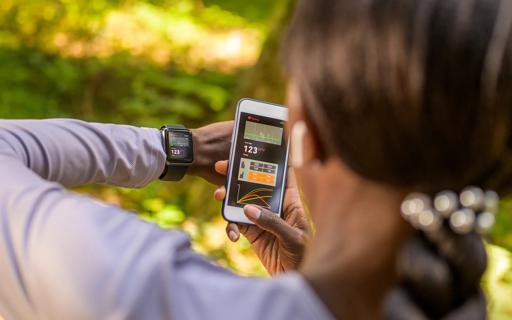
These wearable devices can help you understand your body and stay active — but how you use them matters most
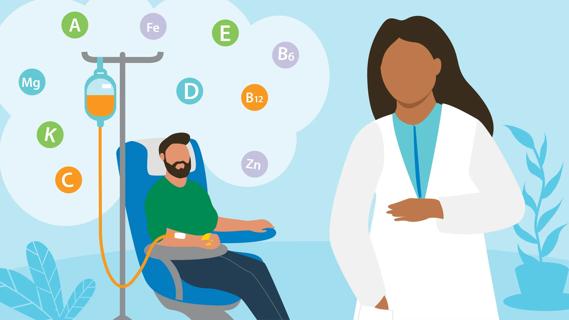
The process delivers nutrients quickly and efficiently, but research is limited on many claimed benefits

Hot tub sessions can help relieve stress, soothe sore muscles and improve heart health
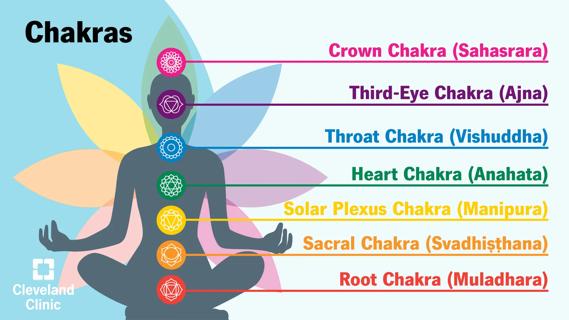
Different types of yoga poses, meditation and breathwork may help you feel more emotionally balanced
This phenomenon is when your high expectations can influence how well a medication or procedure works

Hormonal changes, a slower metabolism and muscle loss can make weight gain more common around menopause — healthy habits can help you manage it

Life-threatening complications include sepsis, stroke, pneumonia and more

Fruity-smelling breath can happen when your body burns fat for energy, and in some cases, can signal a medical emergency
 Search










