Locations:


Be mindful of how many eggs you’re eating, how you prepare them and the other sources of saturated fat in your diet

Image content: This image is available to view online.
View image online (https://assets.clevelandclinic.org/transform/10c13871-8965-499a-bc2a-18733dace372/eggs-heart-health-174652004)
Heart-shaped soft-fried eggs on wheat toast
Breakfast may be the most important meal of the day, but you may not be sure whether it’s OK for eggs to be on the menu. Are they good for you, despite their saturated fat and cholesterol content?
Advertisement
Cleveland Clinic is a non-profit academic medical center. Advertising on our site helps support our mission. We do not endorse non-Cleveland Clinic products or services. Policy
People with heart disease and heart disease risk factors can eat eggs as part of a heart-healthy diet. But extra caution is needed, says preventive cardiology dietitian Julia Zumpano, RD, LD.
Zumpano explains how to enjoy the benefits of eggs while limiting the risk.
The relationship between eggs and cardiovascular health has been a subject of debate for a long time. In the past, researchers believed that eating eggs was associated with a higher risk of heart disease. Today, they see things a bit differently.
Eggs themselves aren’t good or bad for your heart. Their nutritional profile has strengths and weaknesses, as most foods do. They’re rich in vitamins, minerals, antioxidants and protein. But they’re also a source of saturated fat.
What matters isn’t so much whether you eat eggs. It’s how often you eat them, the type you eat, how you prepare them, how healthy your heart is and what else you’re eating.
Eggs are a source of dietary cholesterol. That’s the type of cholesterol found in the food you eat — the kind that you see on nutrition labels. A single hard-boiled egg contains about 186 milligrams (mg) of dietary cholesterol, according to the U.S. Department of Agriculture.
Advertisement
But scientists now know that dietary cholesterol doesn’t affect your blood as much as once thought. The thing you really need to be aware of with eggs is their saturated fat content.
A hard-boiled egg contains about 1.6 grams (g) of saturated fat, with most of the fat coming from the yolk. U.S. dietary guidelines state that, as a general rule, you should aim to eat less than 20 g of saturated fat each day.
“Research shows that the total saturated fat we eat contributes more to LDL than dietary cholesterol does,” Zumpano explains.
LDL cholesterol is sometimes called “bad cholesterol.” If your LDL levels get too high, it can cause plaque buildup known as atherosclerosis, which raises your risk of various health conditions.
How many eggs you can safely eat per week depends on your health, your diet and how you’re preparing them.
The American Heart Association recommends that adults who don’t have heart disease limit their egg intake to one egg (or two egg whites) per day — that’s seven eggs (or 14 egg whites) per week.
The answer changes if you have heart disease or high cholesterol. Experts recommend limiting yourself to four yolks per week.
Eggs aren’t off-limits if you have heart disease or high cholesterol. But eating them every day isn’t a great idea. Ditto if you have diabetes.
“Be cautious about the number of egg yolks you consume,” Zumpano says. “The advice to limit yourself to four yolks a week comes with a caveat: You also need to take into account all the other forms of saturated fat in your diet.”
Common sources of saturated fat that aren’t egg yolks include:
To lower your LDL cholesterol, no more than 5% to 6% of your calories should come from saturated fat, according to American Heart Association guidelines.
When you include eggs as part of a heart-healthy diet, mindfulness is key. If you can, opt for pasture-raised and organic eggs. They have health benefits that factory-farmed eggs don’t.
Preparation matters, too.
“Pay attention to the way you cook your eggs,” Zumpano advises. “If you fry them, the oil that you add is only going to contribute to your saturated fat for the day.”
She says these drier or oil-free cooking methods are preferred:
Also, pay attention to the amount of salt you use on your eggs, if any. Zumpano recommends skipping it, to keep the amount of sodium in your diet at the recommended level.
Advertisement
“One teaspoon of salt (2,300 mg) is all you need per day,” she adds. “For perspective, the average U.S. consumer eats closer to 1.5 teaspoons (3,300 mg). And because salt is in so many of the foods we eat, you can overdo it without ever pulling out your saltshaker.”
If you’re conscientious about how you cook eggs and how often you eat them, they can be an “eggscellent” addition to a heart-healthy diet.
Advertisement

Sign up for our Health Essentials emails for expert guidance on nutrition, fitness, sleep, skin care and more.
Learn more about our editorial process.
Advertisement

This tropical fruit is a good source of fiber and vitamin C, but it can be unsafe for people with kidney problems
Products like turmeric, fish oil and probiotics blur the line between food and supplements

The root vegetable is a low-calorie food that may help with gut health

This East Asian and subtropical fruit is packed with delicious nutrition
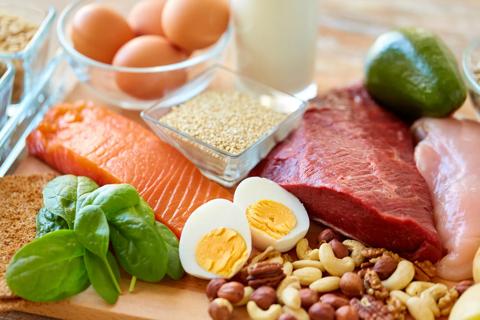
Lean meats, fish, dairy and plant proteins can help you meet your protein needs without piling on saturated fat and sugar

This citrus fruit delivers vitamin C, fiber and other nutrients that can support your heart, immune system and skin

Protein is essential in your diet, but piling more onto your plate isn’t always better

Both are healthy choices, but wild-caught salmon offers a few more benefits
Research hints at improved strength, balance, blood flow and weight loss, but more evidence is needed

The blended oat beverage may help curb hunger, but it doesn’t work like a GLP-1

Teen cycles are often ‘off-cycle’ for the first few years
 Search