Locations:





The best rolls, sashimi and appetizers you can eat
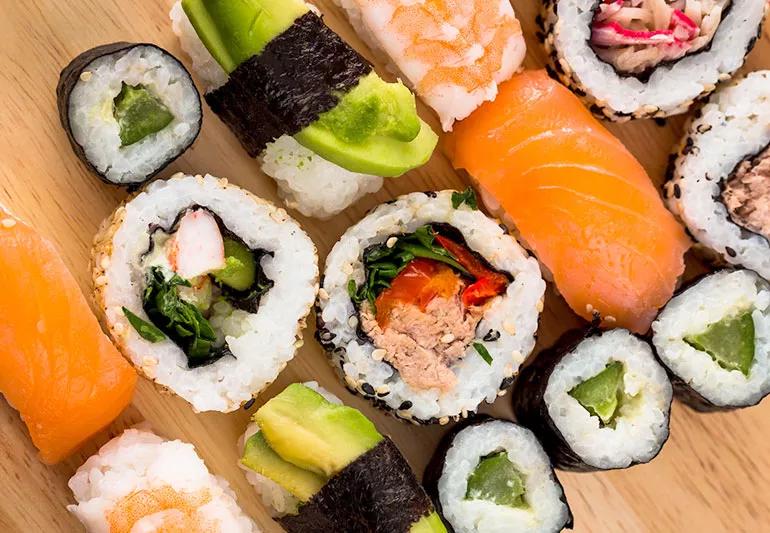
Image content: This image is available to view online.
View image online (https://assets.clevelandclinic.org/transform/fca8614e-7003-4eea-8a0d-096bc09ff52f/sushiSafe-1298575561-770x533-1_jpg)
Mischillaneous sushi offerings
Sushi is perceived as a well-rounded food choice, not least because one roll alone can pack in satisfying carbs, tasty vegetables and fresh fish. Piling on the sauces or tempura shrimp tastes even more delicious, although you might suspect that these sushi rolls aren’t quite as good for you.
Advertisement
Cleveland Clinic is a non-profit academic medical center. Advertising on our site helps support our mission. We do not endorse non-Cleveland Clinic products or services. Policy
So just how healthy is sushi? And is sushi fattening? Dietitian Maxine Smith, RD, LD, shared what’s best to order at a Japanese restaurant — and what’s best eaten in moderation.
“Sushi can contain a lot of the different food groups wrapped up in one,” Smith says. This means you’ll get protein, carbs, fat, antioxidant nutrients (vitamin C), and fat-soluble vitamins such as and K.
Depending on what you order, a sushi meal can also contain:
All types of fish contain protein, but only some have omega-3 fats. These healthy fats benefit your heart by reducing the risk of cardiovascular disease or blood clots. Additionally, they provide brain boosts and have anti-inflammatory properties. Mackerel is a good source of omega-3 fats, as is salmon, tuna and eel.
Sushi rolls with avocado are also good sources of monounsaturated fat, another heart-healthy fat that can reduce bad cholesterol.
Pickled ginger, seaweed and wasabi contain antioxidants, or naturally occurring vitamins and minerals that provide multiple health benefits. “Antioxidant and anti-inflammatory properties often go hand in hand,” Smith says. “And if you add up different sources of foods that have antioxidant properties and anti-inflammatory properties, you can do your body good.”
Advertisement
Opting for sushi with brown rice, a whole grain, is a health-conscious move. “You’re going to get more health benefits from the fiber, from more B vitamins, magnesium, selenium and some other minerals.”
In contrast, regular sushi rice contains added salt and vinegar and is starchier. “That’s what helps pack it together,” Smith says. “It’s processed. Any grain that is more processed, where the outside bran part of the grain is removed, it’s going to be less healthy.”
In addition to brown rice, avocado, seaweed salad and edamame are all good sources of soluble fiber. This kind “gives you a sense of fullness,” Smith says, in addition to helping lower cholesterol and control blood sugar levels
Certain kinds of sushi — or sushi add-ons — are best reserved for special occasions, since they can harm your health.
Unlike avocado, mayonnaise and cream cheese contain unhealthy saturated fats, which are linked to an increased risk of heart disease and the accumulation of bad cholesterol in the arteries.
Fried foods are notoriously unhealthy — including tempura-battered sushi. “You can easily add 100, maybe 200 extra calories by frying the fish and then adding mayonnaise and sauces,” Smith says. “You’re also adding a lot more sodium. You can literally get all your sodium needs for the day in one sushi roll.”
Certain fish (including high-grade tuna) contain mercury, a metal that’s toxic at high levels. If sushi is a regular part of your meal rotation, Smith recommends sticking to smaller fish, which have less mercury.
When you order pizza, piling on the toppings can make the calories add up fast. Sushi’s very similar. “As in many cases, simplicity is best,” Smith says. “A simple roll is very low in calories. It could be equal to a light meal, so you’re talking about 300 calories or so. You can easily double that when you get into some of the fancier roles and larger supreme rolls.”
Other healthy roll choices include:
Hosomaki rolls include seaweed wrapped around rice and fish or vegetables. “These rolls are typically smaller, so they have about half the carbs and calories of some of the more typical maki rolls,” Smith says. You can make this choice even healthier by asking chefs to go easy on the rice or to slice a six-piece roll into eight (or more pieces) and share with a friend.
Popular hosomaki rolls include:
Nigiri — or single pieces of fish nestled on a molded clump of rice — or the thinly sliced sashimi are also great choices. Ordering sashimi over greens adds even more nutrients, Smith adds. Popular fish used for sashimi or nigiri include:
Advertisement
For the ultimate low-carb choice, go for naruto rolls, which feature fish or veggies wrapped in cucumber instead of rice.
Sushi menus can be overwhelming, but plotting out your order in advance can alleviate any orders you might later regret. “Going into the day with a plan is always a good idea — and you can include healthy restaurant foods in that plan,” Smith says. “Japanese foods can be a part of a variety of healthy cuisines: You can find healthy options almost anywhere!”
Other things smart sushi connoisseurs keep in mind:
While cooked or veggie-heavy sushi rolls are generally safe for all, rolls with raw fish can be unsafe to eat if you:
Sushi condiments can have more sodium than you think. “A teaspoon of wasabi is only going to give you 105 milligrams of sodium — but one tablespoon of soy sauce, which can easily be soaked up by that rice, has about 900 milligrams of sodium,” Smith says. Even pickled ginger has a surprising amount of sodium — a few tablespoons could tack on a few hundred milligrams.
Advertisement
Low-sodium soy sauce is a good option, as is ordering sauces on the side so you can dip at your leisure — and your specifications.
Carbs can also add up surprisingly quickly in sushi. “Sushi rice can be packed pretty tightly,” Smith says. “You have to be careful because a roll of sushi could literally be equal to consuming four pieces of bread.” Sweeter sauces can also be deceptively carb-heavy. Smith says she recently looked at a small packet of sweet chili sauce and realized it contained the equivalent of almost two tablespoons of sugar.
Edamame, or boiled soybeans, is an excellent choice to start a meal. “You have a lot of fiber and plant protein in edamame, which tends to give you a sense of fullness,” Smith says. “It also takes some time to eat, so if you’re in a crowd, picking at something healthy can save some calories.”
Smith says a side salad is also a can’t-lose appetizer. “Dark green leafy vegetables are a good daily choice. If you order a side salad, you’re getting more nutrients.”
Be aware that both seaweed salad and soup are low in calories but high in sodium. In fact, seaweed salad could contain 500 to 1,000 milligrams of sodium.
While you might be tempted to go all-out and order a sushi boat every time you visit a Japanese restaurant, restraint is best. “If you keep your order to one roll and edamame, it could be very low in calories,” she says. “If you can get a restaurant meal for 700 calories or less, that’s a pretty good deal — a lot of heart-healthy light menu options are somewhere between 500 and 700 calories on the menu.”
Advertisement
As with any restaurant visit, what you choose to order makes all the difference. “Sushi can be a very healthy, green type of food — if ordered simply,” Smith says. “If you have a craving for sushi, or if you enjoy that social aspect of eating sushi with other people, go for it. It can be a fun experience.”
“You just want to be selective and do your research ahead of time, so that you can nourish your body well and make the best decisions,” she adds. “With a little foresight, you can make healthy choices.”

Sign up for our Health Essentials emails for expert guidance on nutrition, fitness, sleep, skin care and more.
Learn more about our editorial process.
Advertisement

Don’t underestimate the power of a pause
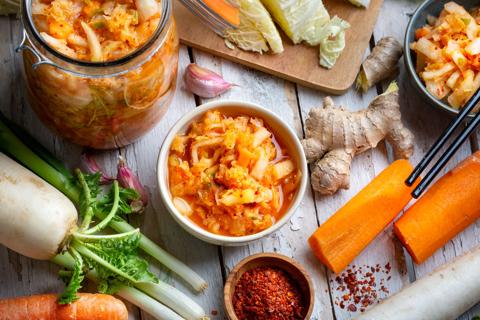
From sauerkraut to kimchi, these foods can help keep your gut healthy

This famously funky-smelling fruit is packed with fiber, vitamins and minerals
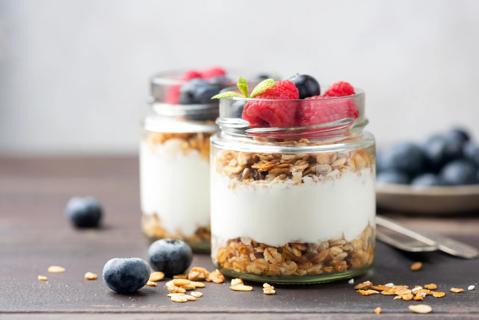
Choosing snacks with protein can help curb hunger, support muscle health and keep your energy steady between meals
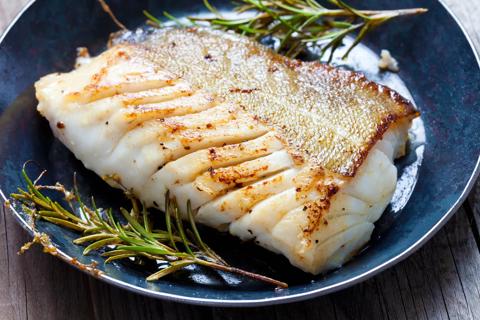
Fish packs plenty of protein, heart-healthy fats and other body-boosting nutrients into every bite

The best choices are high in omega-3s and protein and low in mercury

Look for foods with a variety of nutrients that last a long time and work in multiple meals — like legumes, whole grains and frozen or canned produce
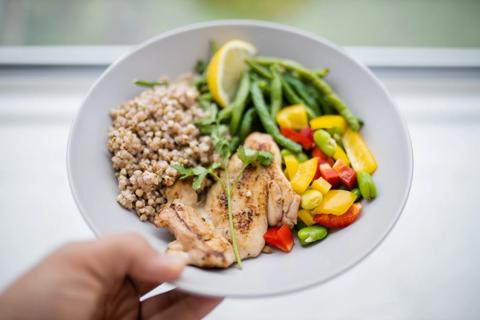
Prepping ingredients ahead of time, rethinking your snacks and making smart protein swaps can up your daily intake

Eyes typically increase to full size during two growth spurts in childhood
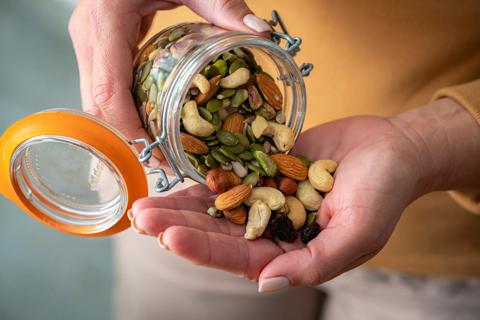
To start, opt for calorie-dense foods that are rich in protein and healthy fats

Pre-birth injections and monoclonal antibodies can help prevent serious complications
 Search










