Locations:





Eating a balanced diet can help protect your eyes and may prevent AMD from progressing
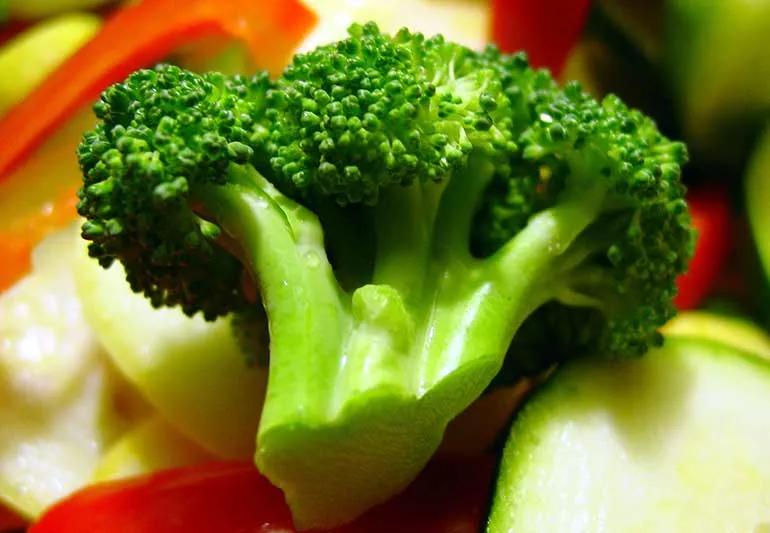
Image content: This image is available to view online.
View image online (https://assets.clevelandclinic.org/transform/7e955a5c-2ae6-403d-a8b9-2ccf5ae89937/AMD-Food-183231419-770x533-1_jpg)
broccoli, red peppers, and other bright vegetables
When you’re diagnosed with macular degeneration (or age-related macular degeneration, or AMD), your life can change in a variety of ways. This may be especially true when you have wet AMD, a more advanced form of macular degeneration.
Advertisement
Cleveland Clinic is a non-profit academic medical center. Advertising on our site helps support our mission. We do not endorse non-Cleveland Clinic products or services. Policy
As your vision changes, you may start to have trouble doing, or no longer be able to do, things you once took for granted, like reading a book, driving a car or just seeing your grandkids’ smiling faces. This, in turn, can affect your mental health, causing frustration, fear and even depression.
It’s important to work closely with an ophthalmologist to treat and manage wet AMD. And although a healthy diet can’t reverse macular degeneration, it may help slow its progression.
There are two types of age-related macular degeneration, wet and dry. Wet AMD makes up only 10% of all cases of AMD. But it can significantly impact your vision.
To understand wet AMD, it’s important to first understand dry age-related macular degeneration. It’s a condition that causes deposits to grow underneath the macula, which is the central part of your retina.
“These deposits cause damage to the macula, which causes a decrease in central vision,” explains ophthalmologist Ananth Sastry, MD. “Wet macular degeneration occurs when, as a result of the deposits, unhealthy new blood vessels grow underneath and within the retina. These blood vessels can then leak and bleed into the retina.”
It’s not yet clear why some people develop AMD, but like so many other health issues, it’s thought to be a mix of age, genetics, environmental risk factors and lifestyle habits. And as with so many other health issues, a healthy diet may be able to help.
Advertisement
“There’s evidence that controlling systemic conditions like high blood pressure, high cholesterol and obesity may help minimize the progression of macular degeneration,” Dr. Sastry says. “Nutrition can play a role in managing these conditions, and it’s recommended to eat a balanced diet.”
In terms of your expectations, Dr. Sastry offers a word of caution: “Nutrition can’t ‘cure’ macular degeneration, reverse existing damage or guarantee protection of vision.” But adopting a balanced diet can only help your overall health — and certainly won’t hurt your eye health.
If you grew up learning that eating carrots would help your eyesight, there’s a little bit of truth to that. In general, a healthy diet can go a long way toward keeping your eyes healthy. But there’s a lot more to it than just chomping into Bugs Bunny’s favorite snack.
“When you have macular degeneration, pay particular attention to leafy green vegetables and foods rich in carotenoids, vitamins, antioxidants and omega-3 fatty acids,” Dr. Sastry recommends.
Here’s an overview of what those things do and why they matter — and then, we’ll delve deeper into where you can find each of them:
So, how can you incorporate all of this healthy goodness into your diet?
“Following an eating style like the Mediterranean diet or a vegetarian diet, for instance, can help you accomplish that,” Dr. Sastry says. But even if you’re not following a set eating plan, it’s important to have healthy, whole foods in your diet.
Let’s take an even deeper dive into what you should be eating (and avoiding) when you’re living with age-related macular degeneration.
Circling back to carrots, they get their bright orange color from carotenoids, sometimes known as nature’s food coloring.
Your body can turn certain carotenoids (known as provitamin A carotenoids) into vitamin A, which helps preserve and maintain your vision.
“One of the most common provitamin A carotenoids is beta-carotene, which gives plants, including carrots, their orange and red pigments,” Dr. Sastry explains. But carrots aren’t the only food full of provitamin A carotenoids. They’re also in:
No food is perfect, but leafy greens get pretty darn close. Some of the most common examples are:
These brightly hued staples of the produce aisle are cruciferous vegetables, and they provide a ton of health benefits for whole-body health — including your eyes.
Advertisement
“Leafy greens are high in lutein and zeaxanthin, which are carotenoids known as ‘eye vitamins,’” Dr. Sastry says. “They’re powerful antioxidants that help protect your eyes from damage from free radicals.”
Both lutein and zeaxanthin collect in your macula, and research suggests they could help slow the progression of AMD. And that’s not all. One cup of leafy greens also typically provides nearly an entire day’s worth of recommended vitamin C!
Be sure your diet casts a wide net to include fish, especially those high in omega-3 fatty acids. These unsaturated fatty acids are critical to multiple bodily functions, including eye health.
Research suggests that omega-3s can provide long-term benefits for eye health — but specifically when you’re getting omega-3s in the foods you eat, not through supplements. The best sources of omega-3 fatty acids are oily fishes, like
Oily fishes can also help lower your cholesterol, which may be associated with macular degeneration, and they’re high in vitamin A, which is critical to eye health — so you can probably “sea” why fish is such an important part of your diet!
Citrus fruits are loaded with ascorbic acid, better known as vitamin C, which is one of your body’s staunchest defender against cell damage caused by free radicals. Oranges and grapefruits have the most vitamin C, but lemons and limes are a good source, too.
Advertisement
Trail mix, anybody? Nuts and seeds are a good source of omega-3 fatty acids and vitamin E, which is yet another antioxidant that plays a role in maintaining eye health.
Just don’t overdo it: Most Americans get enough vitamin E in their diet already, and too much of it isn’t good for you. Plus, the calories in nuts can add up quickly.
Ultra-processed foods like junk food and fast food might taste good, but they have no nutritional value — and they can cause real harm to your body. They’ve been altered to include fats, starches, sugars and hydrogenated oils that can all have an impact on your health.
Ultra-processed foods are major contributors to obesity, which has been linked to AMD. And importantly, they cause inflammation inside your body, which can lead to serious health conditions like heart disease and Type 2 diabetes — and maybe macular degeneration.
“Inflammation and oxidation likely play a role in macular degeneration,” Dr. Sastry notes, “so we recommend avoiding pro-inflammatory foods that are high in free radicals. This includes foods that are highly processed, high in sugar, and containing lots of artificial ingredients and preservatives.”
Advertisement
This tip isn’t diet related, but it’s that important to include anyway. “The modifiable risk factor that has the strongest relationship with macular degeneration is smoking,” Dr. Sastry states. “It increases the risk of developing macular degeneration and its progression.”
It can be so difficult to quit smoking — but it’s also so worth it, not just for your eye health, but also for your entire body. If you need help ditching the habit, ask your healthcare provider for resources and support options.
Remember: Eating healthy isn’t a substitute for being treated by an ophthalmologist. Wet age-related macular degeneration is a chronic (long-term) condition that requires urgent initial treatment and ongoing care to prevent it from getting worse — and dry AMD can turn into wet AMD at any time.
“Wet macular degeneration needs to be treated urgently by a retina specialist to recover as much vision as possible, but more importantly, to prevent further decline of vision,” Dr. Sastry stresses. “Vision loss can be irreversible if it isn’t treated in a timely fashion.”

Sign up for our Health Essentials emails for expert guidance on nutrition, fitness, sleep, skin care and more.
Learn more about our editorial process.
Advertisement

These supplements are full of vitamins and minerals that benefit eye health
Having a first-degree biological relative with this eye condition raises your risk, but other factors are at play, too

They may help, but it depends on factors like the stage of your disease
Wet age-related macular degeneration is rarer and always advanced
This East Asian and subtropical fruit is packed with delicious nutrition

They’re both essential minerals, but they do different jobs in your body
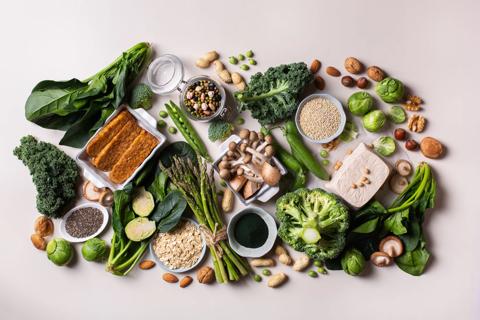
You can get a good amount of protein from eating lentils, beans, tofu, grains, seeds and nuts
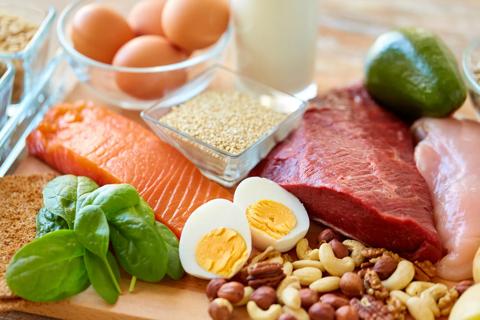
Lean meats, fish, dairy and plant proteins can help you meet your protein needs without piling on saturated fat and sugar

Hormonal changes, a slower metabolism and muscle loss can make weight gain more common around menopause — healthy habits can help you manage it

Life-threatening complications include sepsis, stroke, pneumonia and more
Fruity-smelling breath can happen when your body burns fat for energy, and in some cases, can signal a medical emergency
 Search










