Locations:





Exercise, nutrition, assistive aids and different therapies are all forms of self-care when you’re living with this degenerative disease

Image content: This image is available to view online.
View image online (https://assets.clevelandclinic.org/transform/a9851382-ecf4-4535-9d77-c9e196df0442/group-elders-tai-chi-652842574)
Group of older people doing tai chi outside
Osteoarthritis is a common degenerative disease that causes wear and tear on the cartilage of your joints. Over time, it can cause deep, aching pain that complicates physical activity and daily routines.
Advertisement
Cleveland Clinic is a non-profit academic medical center. Advertising on our site helps support our mission. We do not endorse non-Cleveland Clinic products or services. Policy
“With osteoarthritis, you can’t reverse the damage that’s been done, but you can slow its progression and reduce your risk for further damage,” says rheumatologist Nivine El-Hor, MD.
Dr. El-Hor offers self-care strategies for living with osteoarthritis.
While there’s no cure for this form of wear-and-tear arthritis, self-care strategies can help you manage your symptoms and improve your quality of life.
Eating a well-balanced diet — one that’s focused on lean proteins, fruits and veggies — has a long-lasting impact on your overall health and wellness. Dr. El-Hor says there are a few ways that can benefit your osteoarthritis symptoms:
Physical activity may be furthest from your mind when you’re living with arthritis, but exercising can help you maintain strength, energy levels, balance and flexibility. Dr. El-Hor recommends starting slow with low-impact exercises, like:
“Exercise is always good, but you don’t want to exercise to the point where you’re hurting yourself,” she cautions. “If it starts to become painful, tone it down and take it easy.”
Advertisement
When you have osteoarthritis, it can help to add supports that can stabilize or reinforce your affected joints to prevent them from moving improperly or causing injury. Depending on the severity and location of your arthritis, Dr. El-Hor recommends assistive devices like:
We can all benefit from being extra careful in a few areas of our lives, and some things have a direct impact on osteoarthritis and worsening symptoms:
“Any kind of fall or injury — even when you’re young — will increase your risk of wear-and-tear arthritis,” warns Dr. El-Hor. “If you’re going to play any kind of sport, make sure you’re always wearing protective gear.”
Over-the-counter (OTC) pain medications like acetaminophen or ibuprofen are commonly recommended as-needed for pain relief. Lotions and gels (like diclofenac) can also help relieve joint pain and muscle stiffness.
“For example, if you know you’re going to be doing some gardening where you’ll be on your hands and knees, maybe put on some Voltaren® gel before you get started,” advises Dr. El-Hor. “If the pain doesn’t seem to be getting better with OTC medications and/or you’re having to use them every single day multiple times a day, then we might need to start looking into physical therapy and/or steroid injections.”
When you have osteoarthritis, physical therapy can help with:
Dr. El-Hor also recommends trying occupational therapy. You’ll learn how to live with your arthritis and better manage daily activities in a new way.
“Occupational therapists will teach you different techniques like how to open a jar with less pain,” she explains. “They can give you exercises to strengthen your fingers or help you modify certain tasks so they become more manageable.”
Alternative therapies, like acupuncture or massage therapy, can also complement your approach to pain management.
“Osteoarthritis can be very debilitating, so people sometimes end up feeling defeated and like there’s no hope,” recognizes Dr. El-Hor. But there are steps you can take to protect your mental health and work through anything you might be feeling:
Advertisement
“These can all help improve your mental health by providing you with techniques in your toolbox to adjust how you maneuver through life with arthritis,” encourages Dr. El-Hor. “Stay open-minded to trying different solutions until you find what works for you.”
Advertisement

Sign up for our Health Essentials emails for expert guidance on nutrition, fitness, sleep, skin care and more.
Learn more about our editorial process.
Advertisement

This once-common treatment for arthritis is regaining popularity in the United States
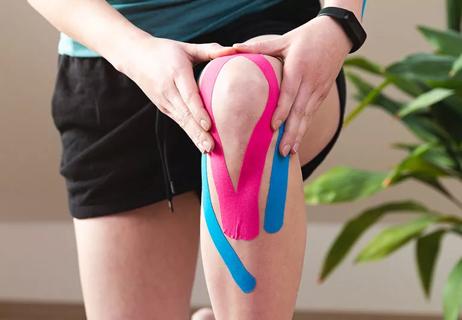
An expert explains the potential benefits

Yes, your genetic makeup may increase your risk of developing arthritis, but other factors like age and weight can play a role, too
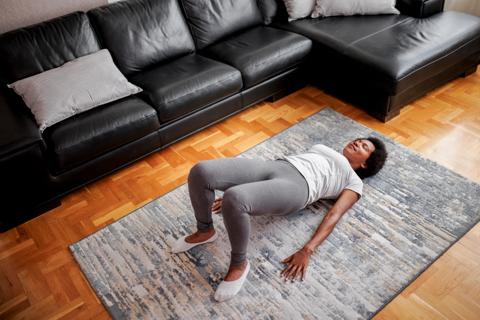
Arthritic knees can benefit from bridging, mini squats, balancing exercises and other stretches

Swimming, cycling and walking can help keep your hips strong and mobile
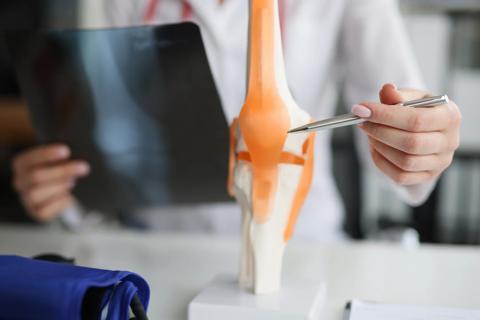
The process usually starts with your primary care provider, who may refer you to a rheumatologist or orthopaedist
What’s the difference between these types of arthritis?

Work on building strength and flexibility to keep the joints moving

Managing your weight through physical activity may lower your chances of getting this common cancer

It typically starts in October and winds down in early spring, with cases at their highest in the middle of winter

Anxiety disorders, health conditions and past trauma can make driving nerve-wracking — help is available
 Search










