Locations:





Try these moves to relieve butt pain and numbness
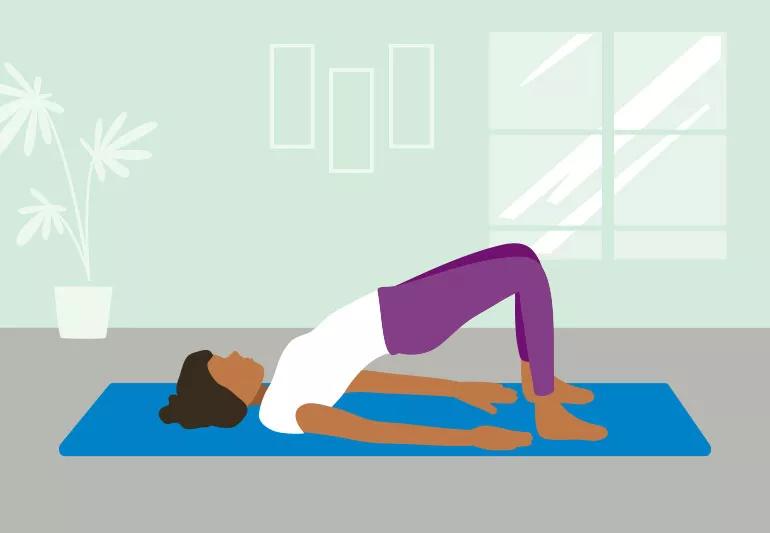
Image content: This image is available to view online.
View image online (https://assets.clevelandclinic.org/transform/57fde05d-8270-4b09-a66a-778186a4438f/stretchPiriformisSyndrome-1359511547_jpg)
woman demonstrating a pririformis syndrome stretch
The piriformis muscles can be a real pain in the butt. Truly. These muscles connect your upper thigh bone to your lower spine on each side of your pelvis. They sit deep in your buttocks and work with your other hip muscles to move your thigh and provide stabilization.
Advertisement
Cleveland Clinic is a non-profit academic medical center. Advertising on our site helps support our mission. We do not endorse non-Cleveland Clinic products or services. Policy
But because your piriformis is so close to your sciatic nerve, it can be a source of pain. Physical therapist Robert Catanese, PT, DPT, explains why this happens — and how you can feel better.
Your sciatic nerve is a large nerve that travels from your low back, under your piriformis, to your legs. When your piriformis is tight, it can aggravate your sciatic nerve and cause piriformis syndrome. The main symptoms are numbness and pain in your buttocks that radiate down the back of your leg on one or both sides.
Dr. Catanese says piriformis syndrome is most common in people who sit for long periods. But athletes who spend a lot of time in the weight room and cyclists can also experience this painful condition.
Absolutely. You may think you should sit down or stop moving, but rest isn’t the answer. Often, rest is what caused the problem in the first place.
Stretches and exercises are the go-to treatments for piriformis syndrome. “A consistent regimen of stretching and exercise can significantly improve symptoms,” says Dr. Catanese. “The goal is to loosen the piriformis, so it’s not irritating the sciatic nerve.”
Here are Dr. Catanese’s top moves for piriformis syndrome. Talk to your healthcare provider before starting a new exercise routine, especially if you have pain or haven’t been exercising regularly.
Advertisement
Stretching helps loosen tight muscles by creating length and flexibility. Exercises improve the strength and mobility of the piriformis and surrounding hip muscles. Together, they can help alleviate the radiating pain and numbness you feel with piriformis syndrome.
Video content: This video is available to watch online.
View video online (https://cdnapisec.kaltura.com/p/2207941/sp/220794100/playManifest/entryId/1_qtmzsxgz/flavorId/1_5f3sgelj/format/url/protocol/https/a.mp4)
Video content: This video is available to watch online.
View video online (https://cdnapisec.kaltura.com/p/2207941/sp/220794100/playManifest/entryId/1_8jvfzp43/flavorId/1_5f3sgelj/format/url/protocol/https/a.mp4)
You can also do this exercise in a seated position, which is convenient if you work in an office:
Video content: This video is available to watch online.
View video online (https://cdnapisec.kaltura.com/p/2207941/sp/220794100/playManifest/entryId/1_fkcz5hf4/flavorId/1_5f3sgelj/format/url/protocol/https/a.mp4)
Video content: This video is available to watch online.
View video online (https://cdnapisec.kaltura.com/p/2207941/sp/220794100/playManifest/entryId/1_n8k24lcu/flavorId/1_5f3sgelj/format/url/protocol/https/a.mp4)
Video content: This video is available to watch online.
View video online (https://cdnapisec.kaltura.com/p/2207941/sp/220794100/playManifest/entryId/1_5plhrxkg/flavorId/1_5f3sgelj/format/url/protocol/https/a.mp4)
Video content: This video is available to watch online.
View video online (https://cdnapisec.kaltura.com/p/2207941/sp/220794100/playManifest/entryId/1_lrqlyp4a/flavorId/1_5f3sgelj/format/url/protocol/https/a.mp4)
Video content: This video is available to watch online.
View video online (https://cdnapisec.kaltura.com/p/2207941/sp/220794100/playManifest/entryId/1_y9foc1ts/flavorId/1_5f3sgelj/format/url/protocol/https/a.mp4)
Video content: This video is available to watch online.
View video online (https://cdnapisec.kaltura.com/p/2207941/sp/220794100/playManifest/entryId/1_ad1yt6yu/flavorId/1_5f3sgelj/format/url/protocol/https/a.mp4)
Try not to sit for long periods. This puts pressure on your piriformis muscle and sciatic nerve. You may also want to avoid seated exercises such as biking, which could aggravate your condition.
Advertisement
If you sit at work, Dr. Catanese recommends standing up briefly every half hour to ease the pressure on your piriformis. “A standing desk is also a good investment. It offers a better ergonomic design for people who work on their computer all day,” he says.
You can supplement the seven basic stretches and exercises with other strategies to help improve piriformis syndrome symptoms, including:
Advertisement
If you’re not feeling better after about a month of consistent stretching and exercises, check in with your healthcare provider.
“Piriformis syndrome is tricky,” says Dr. Catanese. “It can mimic other conditions such as lower back problems, hamstring injuries and gluteal tendinopathy.” An evaluation by a medical professional can help you find the source of your symptoms and get you the treatment you need.
Advertisement

Sign up for our Health Essentials emails for expert guidance on nutrition, fitness, sleep, skin care and more.
Learn more about our editorial process.
Advertisement

Find relief by keeping a neutral spine, trying a medium-firm mattress and using pillows for support

Engage your core with poses like plank, boat, chair and more

This experimental peptide isn’t approved to treat or prevent any health condition

Managing your weight through physical activity may lower your chances of getting this common cancer

Physical activity, even a couple times a week, can potentially benefit your sex life and overall health over time
It helps to build up your strength and balance before tackling these more resistance-heavy TRX exercises
Glute bridges are simple bodyweight exercises worth adding to any workout

Any extra calorie burn from exercising in cold or hot temps is minimal
Managing your weight through physical activity may lower your chances of getting this common cancer

It typically starts in October and winds down in early spring, with cases at their highest in the middle of winter

Anxiety disorders, health conditions and past trauma can make driving nerve-wracking — help is available
 Search










