Locations:





Lean meats, fish, dairy and plant proteins can help you meet your protein needs without piling on saturated fat and sugar
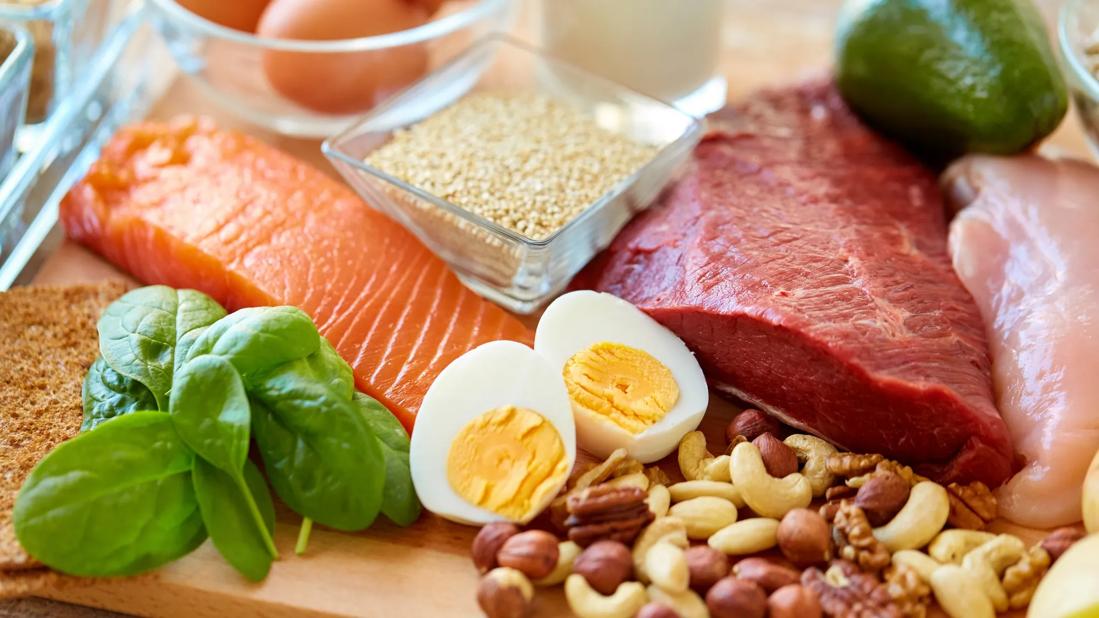
Image content: This image is available to view online.
View image online (https://assets.clevelandclinic.org/transform/c8e94c5e-ab34-455a-83f4-ef46b8284fd4/protein-rich-foods-1141435855)
Healthy protein foods, including nuts, seeds, fish, eggs and lean meats
You have options when it comes to putting protein on your plate. Lots and lots of options. But as you’re considering what proteins to include, remember this: Not all proteins are created equal.
Advertisement
Cleveland Clinic is a non-profit academic medical center. Advertising on our site helps support our mission. We do not endorse non-Cleveland Clinic products or services. Policy
For example, both hot dogs and cooked lentils offer protein — but one brings a little more to the table when it comes to nutrition and your health. (It’s lentils, just to be clear.)
“There’s more to it than just getting as many grams of protein as possible,” says registered dietitian Julia Zumpano, RD, LD. “Quality matters — and a lot of us don’t regularly consume good-quality protein that enhances our overall diet.”
Foods aren’t made of protein alone. That’s why simply comparing the number of protein grams on two nutrition labels doesn’t really tell you which might be the healthier choice.
Other factors matter, too, including the food’s overall nutrient profile. Consider how much added sugar, sodium or saturated fat it contains. Look at whether it provides beneficial nutrients, like fiber, vitamins and minerals.
“Over the long term, all of these affect your health,” says Zumpano.
Ideally, she recommends getting most of your protein from a variety of whole or minimally processed foods. That can include animal-based products, as well as plant-based protein sources.
What might that look like for meals? Start with these healthy protein sources.
If you’re fishing for a healthy protein, the seas are an excellent place to start. Like other animal proteins, fish naturally provide a concentrated source of protein. Fish generally contain about 7 grams of protein per ounce, although the exact amount varies by type.
Advertisement
Many fish are also lower in saturated fat and higher in omega-3 fatty acids, a one-two combination that makes them a standout for heart health. They’re also packed with key nutrients like vitamin D.
“Fish is a phenomenal protein source,” says Zumpano. “Regularly swapping it in for other meat sources can help you build a healthier and more varied eating pattern.”
Red meat has a place in a healthy diet. But the key is to choose lean cuts.
Picking a leaner cut gets you protein — about 7 grams per ounce — while minimizing saturated fat. Examples of lean cuts include tenderloin, sirloin, top round and flank steak. For ground beef, opt for 90% lean or higher.
Chicken, turkey and other poultry can give you protein without all the saturated fat found in some other meat choices — but how you prepare it makes a difference.
Zumpano recommends going with skinless white meat poultry. Like fish and red meat, it provides roughly 7 grams of protein per ounce. (There’s some variation depending on what you choose.)
Prefer dark poultry meat? That’s OK! It has a place on the table. Ideally, try to choose dark varieties (like legs, thighs and wings) a little less often because they’re higher in saturated fat.
Lean toward baking, grilling or roasting your poultry, too, and go easy on adding salt. Avoid deep-frying chicken or coating it in breading to stay on the healthier side.
Dairy-based foods can be an easy way to work more protein into your day, especially at breakfast. Zumpano says she often recommends eating Greek yogurt or cottage cheese in the morning.
Greek yogurt typically packs 11 to 12 grams of protein in a half-cup serving. Cottage cheese has 12 to 14 grams of protein in a half-cup serving.
Starting the day with either can pay off later. A protein-rich breakfast can help support steadier energy, blood sugar and appetite levels, which can keep you from crashing as the hours pass by.
Eggs are another simple, whole-food protein source that traditionally shines in the morning.
But eggs can also bring a protein boost to your lunch, Zumpano says. Hard-boiled eggs make a good snack, too!
That versatility with eggs makes it easier to spread protein intake throughout your day, which maximizes your body’s ability to get the most out of it. One large egg typically has 6 grams of protein.
Plant proteins deserve a regular place on your plate — and not just if you’re vegetarian or vegan. Cooked beans, lentils and other legumes provide about 15 grams of protein per cup, along with benefits you won’t get from meat alone.
Advertisement
“Plant proteins offer a whole slew of powerful vitamins, minerals and antioxidants — and the fiber that’s in it aids in creating a healthy gut microbiome, digestion and regularity,” Zumpano explains.
Nuts and seeds are another easy way to add plant-based protein to your diet when you get the munchies. They offer a healthy dose of protein — on average, 6 to 7 grams per ounce — along with fiber and other nutrients.
The healthy fats found in nuts and seeds can also help manage your blood sugar and appetite throughout the day.
“A handful of nuts or seeds can be a nutrient-dense snack choice that offers far more than chips or other carb-heavy options,” notes Zumpano.
If you want to make plants the star of the meal, tofu and tempeh are excellent choices. These soy-based foods are rich in protein and have enough texture and heft to serve as meat substitutes.
Tofu typically offers between 10 and 15 grams of protein per half cup. Tempeh is higher at 15 to 20 grams.
But don’t feel like you need to go “plant-only” to use tofu and tempeh. Add them into your meal rotation with red meat, chicken and fish. “Use them to build some variety into your diet,” suggests Zumpano.
A package that screams “20 grams of protein!” doesn’t automatically make a food healthy.
Advertisement
Some protein choices come with lots of saturated fat or heavy processing, which may make them less than ideal.
Try to limit:
You don’t need to obsess over every gram of protein when putting together meals. Instead, focus on quality, variety and nutritional balance. Zumpano recommends:
Advertisement
“Protein doesn’t have to feel complicated,” reinforces Zumpano. “Find some protein-rich whole foods you enjoy and build meals from there. Do that consistently and your body will get the healthy protein it needs.”

Sign up for our Health Essentials emails for expert guidance on nutrition, fitness, sleep, skin care and more.
Learn more about our editorial process.
Advertisement
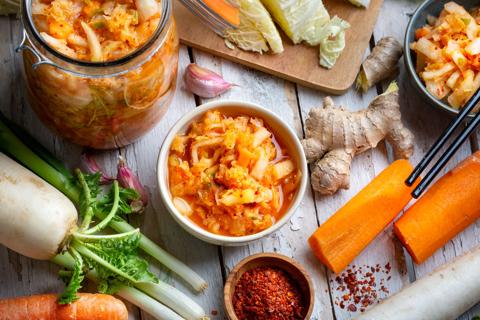
From sauerkraut to kimchi, these foods can help keep your gut healthy

This East Asian and subtropical fruit is packed with delicious nutrition
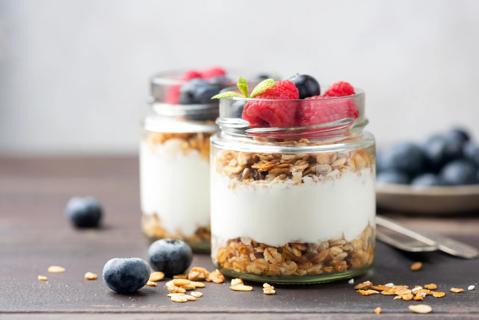
Choosing snacks with protein can help curb hunger, support muscle health and keep your energy steady between meals
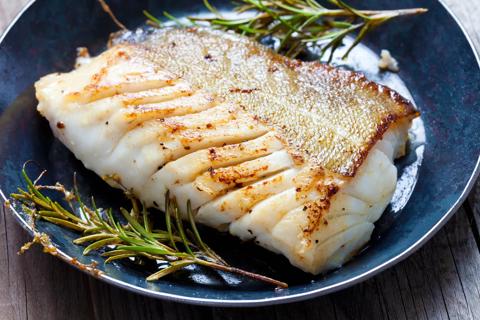
Fish packs plenty of protein, heart-healthy fats and other body-boosting nutrients into every bite
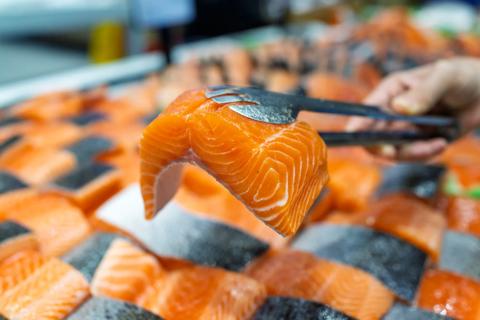
Both are healthy choices, but wild-caught salmon offers a few more benefits
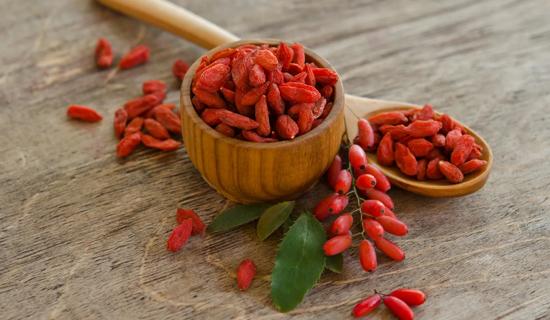
These bright berries are packed with nutrients and antioxidants that may support your eyes, immune system and overall well-being

The general rule is 1.2 to 1.6 grams of protein per kilogram of body weight — but that may not be exactly right for you
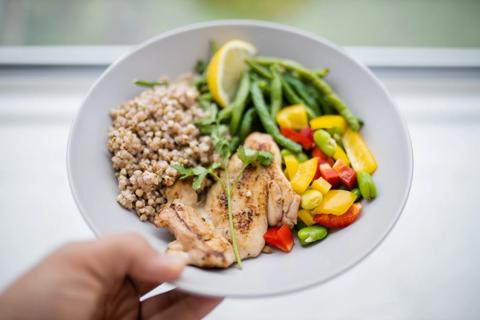
Prepping ingredients ahead of time, rethinking your snacks and making smart protein swaps can up your daily intake

Hormonal changes, a slower metabolism and muscle loss can make weight gain more common around menopause — healthy habits can help you manage it

Life-threatening complications include sepsis, stroke, pneumonia and more

Fruity-smelling breath can happen when your body burns fat for energy, and in some cases, can signal a medical emergency
 Search










