Locations:






Image content: This image is available to view online.
View image online (https://assets.clevelandclinic.org/transform/1784c9b5-2d19-41ab-98f3-82451d784208/SweetBananaSmoothie-AD-770x533-1_jpg)
A large glass of a banana smoothie sits on a white plate next to bananas.
Our banana smoothie recipe includes low-fat dairy products and can be combined with canned soft fruits (like peaches or pears). They’re hydrating and nutritious and provide calcium and protein! If you’re lactose-intolerant (can’t drink milk or eat dairy products), a similar smoothie can be made using protein powder, fruit juice, sherbet and ice cubes.
Advertisement
Cleveland Clinic is a non-profit academic medical center. Advertising on our site helps support our mission. We do not endorse non-Cleveland Clinic products or services. Policy
Variations and suggestions
Note: Nutritional analysis may vary depending on the ingredient brands used.
Serving size = 1 cup
Calories: 178
Protein: 6 g
Carbohydrate: 37 g
Dietary fiber: 3 g
Sugar: 24 g
Total fat: 0.5 g
Saturated fat: 0 g
Cholesterol: 2 mg
Sodium: 68 mg
Potassium: 636 mg
Calcium: 170 mg
Advertisement

Sign up for our Health Essentials emails for expert guidance on nutrition, fitness, sleep, skin care and more.
Learn more about our editorial process.
Advertisement
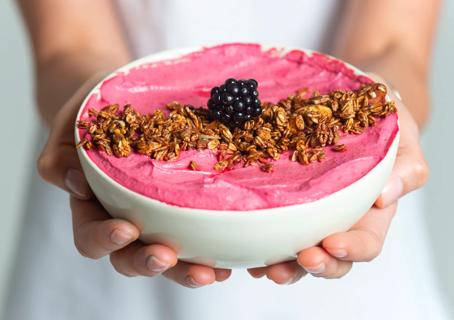
Opt for nutrient-dense, fiber-filled and protein-rich ingredients to reap the benefits of these healthy bowls
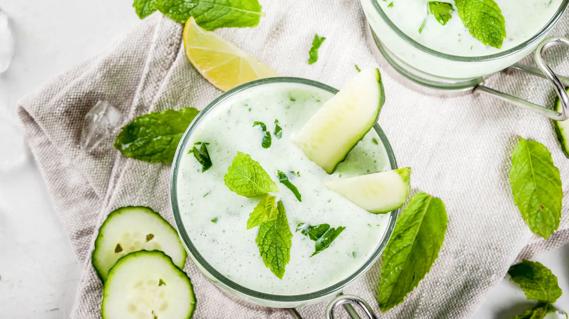
Packed with protein, healthy fat, vitamins and minerals, this smoothie will help keep you energized for your day!

All of the taste, none of the alcohol!

Simple to make and so very refreshing
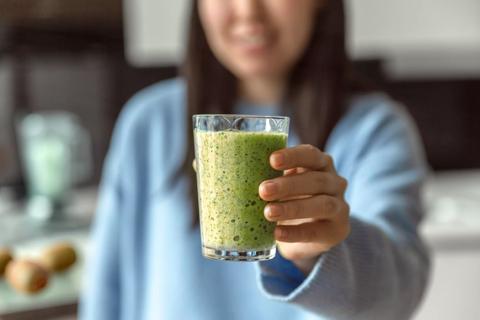
Protein-packed with a sweet and zesty flavor
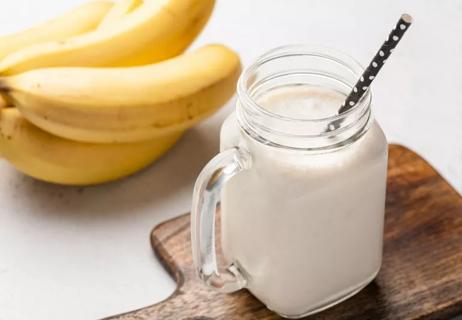
A dreamy-creamy, delicious way to fuel your day
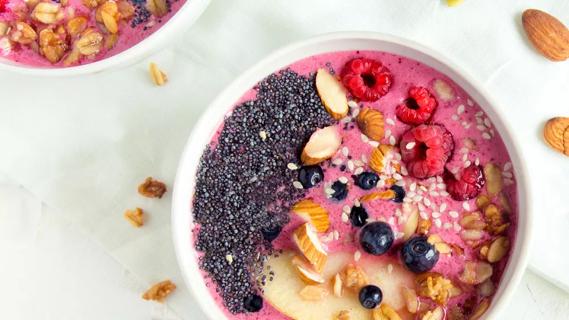
A creamy smoothie with crunchy toppings — in a bowl!
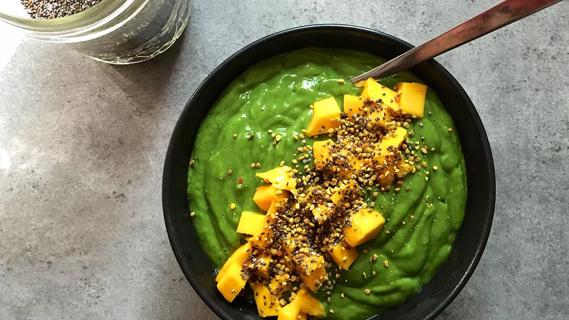
With leafy green spinach, sweet mango and green grapes, this smoothie will refresh and replenish you

Managing your weight through physical activity may lower your chances of getting this common cancer

It typically starts in October and winds down in early spring, with cases at their highest in the middle of winter

Anxiety disorders, health conditions and past trauma can make driving nerve-wracking — help is available
 Search










