Locations:





 Search
This healthy carb benefits your microbiome and may help you lose weight
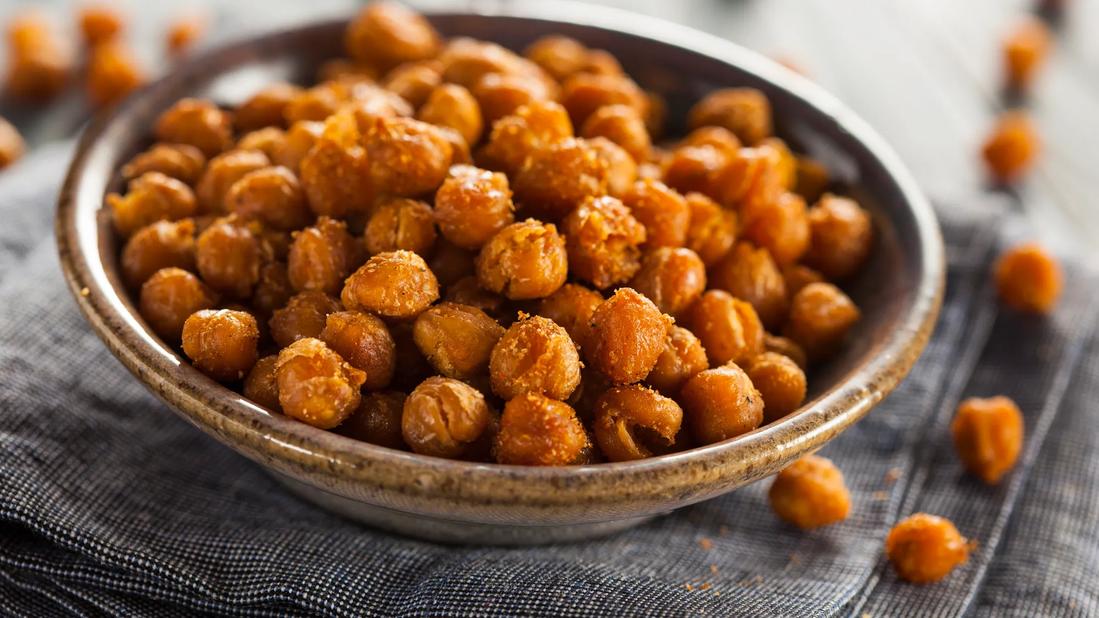
Image content: This image is available to view online.
View image online (https://assets.clevelandclinic.org/transform/b3e4c54c-f1d1-416e-aa3b-e7fa17273f59/roasted-chickpeas-486086737)
Bowl of roasted and seasoned chickpeas
Resistant starch is a type of carbohydrate that nourishes the good bacteria in your gut and supports digestion. It may also aid in weight loss while helping combat chronic diseases.
Advertisement
Cleveland Clinic is a non-profit academic medical center. Advertising on our site helps support our mission. We do not endorse non-Cleveland Clinic products or services. Policy
Registered dietitian Beth Czerwony, RD, LD, explains exactly what resistant starch is, what foods contain it and why it’s great for your overall health.
“Resistant starch is a type of carbohydrate, but it doesn’t digest the way some other starches and carbs do,” says Czerwony. Most carbohydrates get digested in your small intestine. But resistant starch passes through to your large intestine. There, it feeds the beneficial bacteria in your large intestine’s microbiome.
Resistant starch may sound similar to fiber. But are they the same thing?
“They’re very similar, and some resistant starches do have fiber, but not all of them,” clarifies Czerwony. “A lot of foods that contain fiber, both soluble and insoluble, also contain resistant starch. If you eat a variety of whole grains and legumes, for example, you’ll get the benefits of fiber and resistant starch.”
Czerwony says there are four different types of resistant starch:
Advertisement
All types of resistant starch have similar benefits. The main benefit is improving the health of your gastrointestinal tract. A healthy gut positively impacts almost all other body systems. “There’s a big connection between gut health and your brain, for example,” says Czerwony.
Resistant starch may:
Including resistant starch in your diet may help your quest to drop extra pounds.
“Eating foods with resistant starch can help you feel full for longer, so potentially you may eat less or not as often,” shares Czerwony.
You use more energy to digest resistant starch than sugary carbs. To supply that extra energy, your body has to burn more calories during digestion.
“This may contribute to some weight loss,” she continues.
The best sources of resistant starch are:
“Most resistant starch foods are an important part of a healthy diet, and I always encourage people to eat more legumes and whole grains,” says Czerwony. “If you’re already eating these foods, you’re getting the resistant starch benefits.”
But much like fiber, you probably could use more resistant starch in your diet. In the U.S., most people only get about 5 grams of resistant starch per day. To get the full health benefits, aim to get at least 6 grams of resistant starch per meal.
Czerwony offers ideas for getting more resistant starch in your diet:
Try recipes that include foods high in resistant starch, such as:
Now that you know the benefits of resistant starch, you may find it hard to resist!
Advertisement

Sign up for our Health Essentials emails for expert guidance on nutrition, fitness, sleep, skin care and more.
Learn more about our editorial process.
Advertisement

The general rule is 1.2 to 1.6 grams of protein per kilogram of body weight — but that may not be exactly right for you
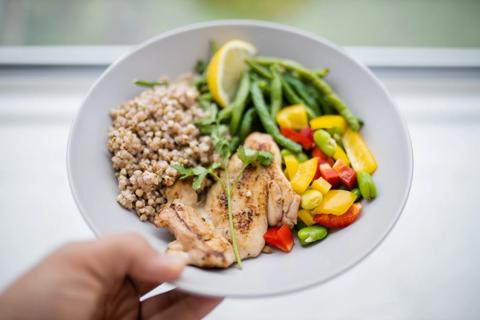
Prepping ingredients ahead of time, rethinking your snacks and making smart protein swaps can up your daily intake
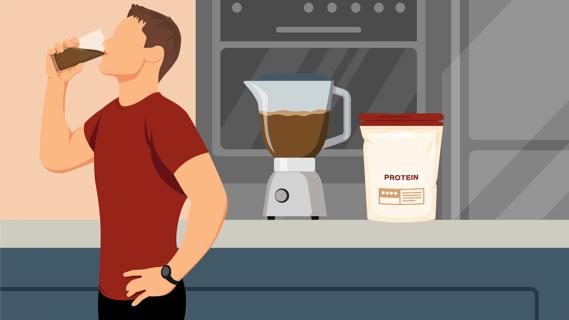
It’s a good on-the-go option and can help build muscle and aid in weight loss
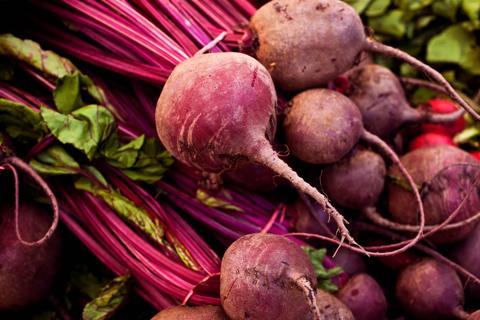
From fighting inflammation to boosting athletic performance, this colorful root veggie offers plenty of health benefits
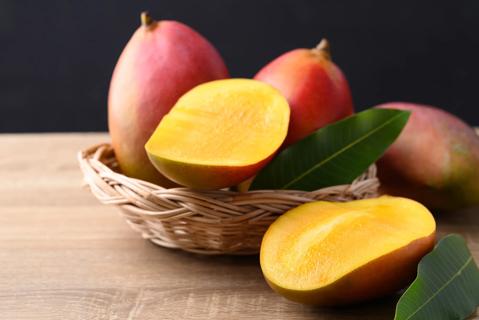
A mango a day may help keep hunger and bloating away
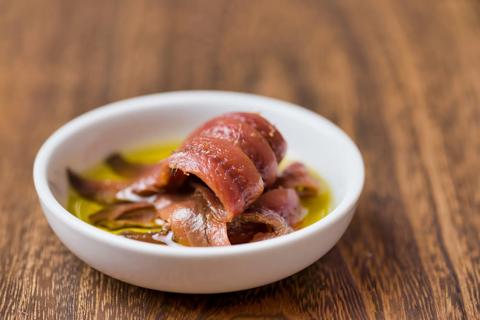
Anchovies are packed with nutrients, but be cautious of salt-cured options
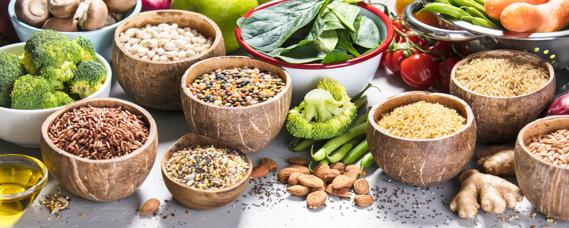
Eating more legumes, fruits, vegetables, nuts and whole grains can help you meet your daily fiber goals

This fruit (not veggie!) is good for your cholesterol, blood sugar, gut and bones
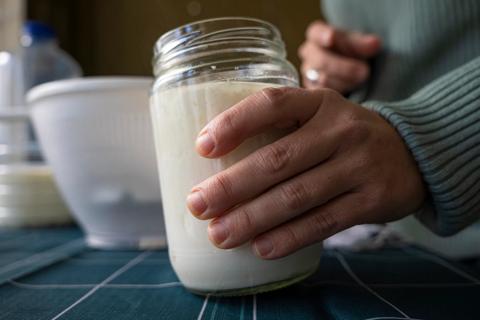
This superfood is loaded with vitamins, minerals and nutrients

This online subculture may contribute to self-esteem issues in teenage boys

When these tiny particles of calcium carbonate come loose, it throws your sense of balance out of whack











