Locations:





Where to find this essential nutrient
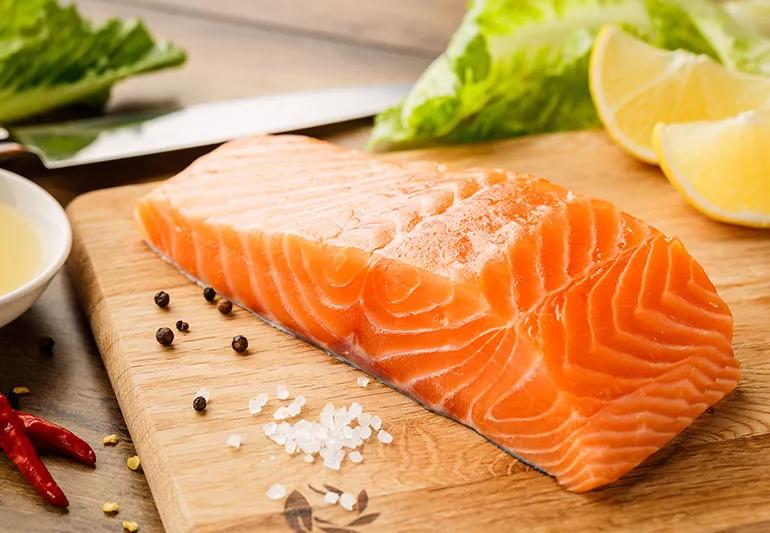
Image content: This image is available to view online.
View image online (https://assets.clevelandclinic.org/transform/2636afc7-f98e-489a-8fb3-1694c63eb8c5/OMEGA3s-1198150234-770x533-1_jpg)
Image of salmon, a source of omega-3
If you’ve ever looked into eating healthy, chances are, you’ve come across omega-3 fatty acids. But omega-3s can be confusing if you’re not familiar with them. What exactly are they? How are they good for you? Where can you find them?
Advertisement
Cleveland Clinic is a non-profit academic medical center. Advertising on our site helps support our mission. We do not endorse non-Cleveland Clinic products or services. Policy
To get the answers to these questions, we spoke to registered dietitian Anna Taylor, RD, LD.
Omega-3 fatty acids are unsaturated fatty acids that your body can’t efficiently produce (or produce at all) but still needs for several functions. Omega-3s are important for heart health, as well as brain and eye health. They also support other functions like your immune system, digestion and fertility.
There are three types of omega-3s:
For most people, DHA and EPA are the best ways to get omega-3s, says Taylor. “Your body has to convert ALA acids to DHA and EPA, and that process isn’t always the most efficient, as it can change from person to person.”
Taylor also notes that it’s preferable to get your nutrients (including omega-3s) from food and not rely on pills or supplements. So, if you want to add more omega-3 fatty acids into your diet, you’ll need to make sure you’re getting enough from your meals and snacks.
As you may have gathered from the list above, there’s one primary source for omega-3s your body needs most: fish. Fortunately, there are enough fish in the sea to provide a variety of dietary options. Here are some examples, with data taken from the USDA:
Advertisement
If you’re wondering about canned tuna, try to limit the amount you eat, as it can contain high levels of mercury. Stick to the chunky light option for reduced mercury amounts. That’s especially important if you’re pregnant or nursing, which means you should avoid other high-mercury fish, too, like swordfish, shark and tilefish.
Some of the fish listed above — like wild-caught salmon, herring, sardines and shellfish — are especially good options when trying to balance adding omega-3s while controlling mercury intake.
These options, Taylor notes, contain high amounts of ALA omega-3s. While the omega-3 levels are high, remember that your body doesn’t process all of it.
Overall, at least two servings of fish a week is a good way to get those omega-3s in your diet. And if you want to get more specific, the USDA recommends that adults get 8 or more ounces of oily fish each week, which is about 250 milligrams (mg) of omega-3s.
It’s always best to consult your doctor before major changes to your diet, even healthy ones. This way, you can avoid any complications from allergies. Plus, your doctor knows what approaches and foods will work best for you and your specific health situation.
Advertisement

Sign up for our Health Essentials emails for expert guidance on nutrition, fitness, sleep, skin care and more.
Learn more about our editorial process.
Advertisement

And some of the best sources

From sauerkraut to kimchi, these foods can help keep your gut healthy

This East Asian and subtropical fruit is packed with delicious nutrition

This famously funky-smelling fruit is packed with fiber, vitamins and minerals

This South Pacific plant is often promoted for stress relief and relaxation, but there are a few things you should know before trying it

They’re both essential minerals, but they do different jobs in your body
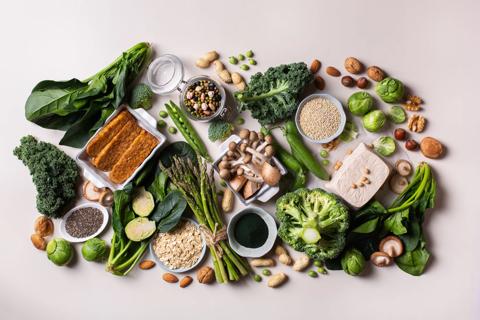
You can get a good amount of protein from eating lentils, beans, tofu, grains, seeds and nuts

Lean meats, fish, dairy and plant proteins can help you meet your protein needs without piling on saturated fat and sugar

Managing your weight through physical activity may lower your chances of getting this common cancer

It typically starts in October and winds down in early spring, with cases at their highest in the middle of winter

Anxiety disorders, health conditions and past trauma can make driving nerve-wracking — help is available
 Search










