Locations:





The choices you make at mealtime could reduce hot flashes or make them worse
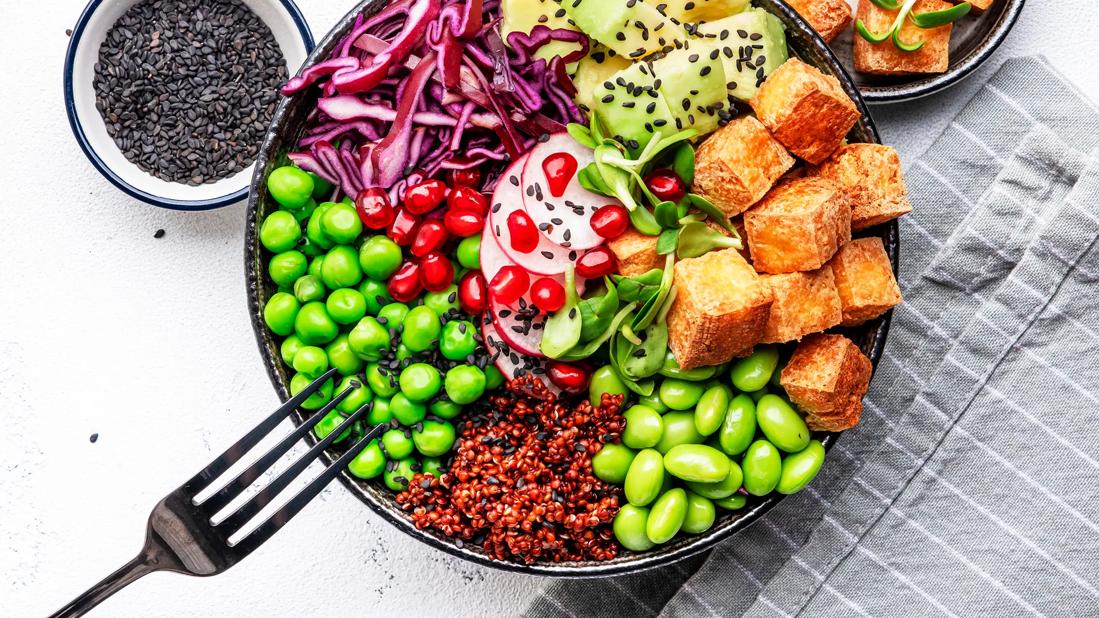
Image content: This image is available to view online.
View image online (https://assets.clevelandclinic.org/transform/861a6fbb-466c-4356-8fe8-14db25f90c81/food-mediterranean-hot-flashes-1491185857)
Buddha bowl with tofu and edamame and other veggies and seeds
What are you eating? If you’re entering menopause, the answer to that question may be a factor in whether you experience the fury of a hot flash.
Advertisement
Cleveland Clinic is a non-profit academic medical center. Advertising on our site helps support our mission. We do not endorse non-Cleveland Clinic products or services. Policy
Research shows that eating certain foods may help drastically reduce the frequency and burning intensity of hot flashes. As you might expect, too, various foods can dial up fiery discomfort.
So, what should and shouldn’t be on your plate to manage your temperature? Let’s set a menu with the help of women’s health specialist Lynn Pattimakiel, MD, and registered dietitian Julia Zumpano, RD, LD.
Video content: This video is available to watch online.
View video online (https://cdnapisec.kaltura.com/p/2207941/sp/220794100/playManifest/entryId/1_teztmooj/flavorId/1_5f3sgelj/format/url/protocol/https/a.mp4)
The menopause transition can bring estrogen hormone fluctuations that fuel vasomotor symptoms like hot flashes. This burst of body heat can lead to sweating, flushed skin and other uncomfortable reactions.
What you eat can help calm or escalate the hormone swings that fuel hot flashes.
“There are dietary triggers that can lessen or worsen symptoms,” says Dr. Pattimakiel. “So, if you target those triggers ― maybe by adding some foods or eliminating others ― you may get a significant response.”
If you want an overall eating plan to cool off hot flashes, consider the Mediterranean diet. One study found that women who followed the diet were 20% less likely to experience hot flashes and night sweats.
The Mediterranean diet focuses on plant-based foods and healthier fats, says Zumpano. Overall, it’s often labeled as the gold standard for eating for good health.
Advertisement
If you’re not looking to switch up your diet entirely, try incorporating these foods into your meals.
Soy contains certain plant compounds that appear to minimize the frequency and severity of hot flashes. A review of research found that soy may help reduce hot flashes by more than 25%.
These compounds (called isoflavones) are also phytoestrogens, which mimic biological estrogen and may help regulate hormonal levels, says Zumpano.
Soy-based products that may help with hot flashes include:
If you’re looking to boost your soy intake, Dr. Pattimakiel recommends sticking with food as opposed to trying a supplement. The reason? Supplements aren’t regulated, which can bring quality and safety concerns.
“More natural sources are always your better option,” she notes.
Soy-based products aren’t the only pantry items with phytoestrogens. You can also find the beneficial compound in:
There are A LOT of good reasons to eat vegetables when it comes to your health. “I always say there’s nothing bad in the grocery store that comes from the ground,” shares Zumpano. “You can’t go wrong eating vegetables.”
Loading up on an A-to-Z list of veggies ranging from asparagus to zucchini can help you minimize weight gain during menopause, which can be another factor in hot flashes. (A study found that weight loss through diet modifications helped reduce hot flashes.)
There’s some evidence that foods high in omega-3 fatty acids can provide some relief for hot flashes and night sweats. Foods high in this healthy fat include:
Are some foods more chill than others? It seems so, as there are certain “cooling foods” that may turn down the temperature on hot flashes. The list includes:
Cutting certain foods from your diet can also be beneficial when it comes to easing hot flashes. Here are some items to consider taking off your grocery list.
Eating ultra-processed food tends to heighten blood pressure, which can also fuel hot flashes. Zumpano recommends trying to limit items such as:
Hot flashes can make it difficult to get a good night’s sleep ― a reality that may make you more inclined to reach for extra cups of coffee or crack open a high-voltage energy drink to get through the day.
Advertisement
Unfortunately, the caffeine you’re leaning on to function can fuel more bothersome hot flashes that can make it even tougher to get restful ZZZs.
“It’s a vicious cycle,” says Dr. Pattimakiel. “You’re reaching for caffeine because you’re having disrupted sleep, but the caffeine can stimulate the hot flashes and night sweats that keep waking you up.”
If you’re looking for ways to limit caffeine intake, consider drinking green tea, chicory coffee or a few other coffee alternatives. (But be cautious: Hot beverages can also set off hot flashes, so maybe try an iced matcha or iced tea instead.)
You’re probably well aware that there’s no real health benefit to drinking alcohol, whether it’s a cold beer, a glass of wine or a trendy cocktail. It’s a toxin that’s just not ideal for your body or your mind.
Mixing alcohol with menopause can increase the frequency and intensity of hot flashes and night sweats, emphasizes Zumpano. That’s especially true if you have more than one drink a day.
So, if you’re going to drink, do so in moderation. You could always give increasingly popular nonalcoholic options a try, too.
Heat brings heat, cautions Dr. Pattimakiel. “Spicy food is one of the things that can sometimes trigger hot flashes,” she says.
Advertisement
What you’re eating may contribute to hot flashes ― but it might not be a factor either. Keeping track of what you ate before hot flashes may help you identify patterns and potential trigger foods.
Talk with a healthcare provider for recommendations before making drastic dietary changes to try to address hot flashes. They may also be able to suggest other strategies to manage hot flashes.
Advertisement

Sign up for our Health Essentials emails for expert guidance on nutrition, fitness, sleep, skin care and more.
Learn more about our editorial process.
Advertisement

Heat starts in your chest and moves up to your neck and face … and then, the sweating begins

While they may not burn calories or cause fevers, these heat waves can make you miserable — but you don’t have to just grin and bear it!
Hormone therapy, medication and lifestyle changes and can help you get the restful ZZZs you need

These heat waves can actually start in perimenopause, which can begin up to a decade earlier
Nausea isn’t a common side effect, but it’s not unheard of, especially if you deal with anxiety

Learn what may trigger the sudden onset of heat and sweat

The symptoms of menopause can disrupt your life

From sauerkraut to kimchi, these foods can help keep your gut healthy

Hormonal changes, a slower metabolism and muscle loss can make weight gain more common around menopause — healthy habits can help you manage it

Life-threatening complications include sepsis, stroke, pneumonia and more
Fruity-smelling breath can happen when your body burns fat for energy, and in some cases, can signal a medical emergency
 Search










