Locations:





Start a conversation, gently ask questions and offer help without judgment

Image content: This image is available to view online.
View image online (https://assets.clevelandclinic.org/transform/12b011a8-31b0-4b8e-81d2-7106c8deed8d/Mental-Health-Coping-1349214017-770x533-1_jpg)
A person with their arm around another person's shoulder.
Our mental health affects the ways we think, feel, behave and interact with others. And it’s something that we all need to focus on, especially if we’re going through a major life change, dealing with stress or struggling with a relationship.
Advertisement
Cleveland Clinic is a non-profit academic medical center. Advertising on our site helps support our mission. We do not endorse non-Cleveland Clinic products or services. Policy
While you may be keyed into your own mental health, there might be a time in your life when you’re worried about someone else’s mental health. And when you do, you may think, “I should mind my own business.”
But under the right circumstances, you can do a lot of good by reaching out, says psychiatrist Minnie Bowers-Smith, MD.
Dr. Bowers walks us through how to help a child, teenager, adult, friend or coworker who might be dealing with a mental health condition.
Whether it’s your own child, a sibling or an aunt, you may be worried about how to get mental health help for a loved one. Dr. Bowers provides some guidance, including conversation prompts.
Say you notice your 16-year-old niece isn’t particularly happy. She’s doing poorly at school. She’s not interacting with people, taking care of herself or getting along with family and friends.
“When it seems like something isn’t moving in the right direction for her as a normal 16-year-old, have a conversation with her,” says Dr. Bowers. “It’s difficult to talk to teens unless they want to talk to you, so I try to tap into the here and now. If I see a tattoo, I’ll ask, ‘When did you get that tattoo, what’s it mean?’”
Eventually, you can say, “Is there anything you think you want to talk about?” or “Can I help you in any way?”
Advertisement
If you see scars on a young person’s wrist, if they always dress in black, if they always seem unhappy, Dr. Bowers suggests asking, “Is there any chance you might hurt someone or hurt yourself?” or “Have you had any thoughts about dying?”
“It’s better to ask than not to ask,” says Dr. Bowers. “With teens, you always want to know about suicidal thinking, to prevent harm to themselves and others.”
Or you can ask their parent to pose these questions to their child. If that doesn’t work, the parent should talk to their child’s pediatrician.
“When teens are violent toward themselves, their siblings or their parents, that demands an ER visit,” states Dr. Bowers. “If drugs or alcohol are involved, or if they overdose, go to the ER. Then, let the experts decide when to bring them home.”
The risk of suicide isn’t confined to the young. “Suicide is also a concern in older adults,” says Dr. Bowers.
Say your 55-year-old uncle has been laid off. He’s isolated himself, grown irritable and doesn’t bother to shave or put on clean clothes.
Midlife crises — a job loss, financial setback, health challenge and/or relationship problems — increase suicide risk, especially in men. Alcohol abuse only adds fuel to the fire.
How do you tackle this sensitive subject with the older generation? Dr. Bowers recommends a gentle, respectful approach. Start by asking how they’re doing and if they’re still able to enjoy their favorite pursuits.
“Then, ever so gently, you can ask, ‘Are you happy with what you’re able to do now or not?’ and ‘Are you feeling kind of sad?’” she suggests.
If they don’t volunteer information, you can observe if they don’t seem happy and aren’t getting around well. Ask if they’re sleeping, eating and taking care of themselves.
“Then, you can ever so gently move into, ‘It may be helpful to talk to somebody — medication can help you feel better,’” Dr. Bowers offers. Ask if they have a family doctor, then help them make an appointment.
But if your relative admits to hoarding medication or says, “Life just doesn’t seem worth living,” take them to the ER or urgent care, or call your local suicide prevention hotline or the police.
“If you say you have a suicidal relative, you’ll be connected to the services you need,” she continues. “Large cities often have mobile crisis teams that come out to the home.”
It’s trickier talking to someone you’re not related to — like a friend whose difficult or erratic behavior has landed them in hot water at work.
Advertisement
Without judging, offer your concerned support. “It won’t help to discuss what they should have done or what the boss should have done,” notes Dr. Bowers. “Just say, ‘I’d like to help you stop having the troubles you’ve been having.’ Show them that you’re working with them and not against them.”
You can tell them, “I know someone who can help,” and offer the name of a doctor or counselor. But if you think the situation might escalate, get help.
“Use your judgment,” advises Dr. Bowers. “If you think the person might get angry — or if they own guns or knives, or have said they’re going to hurt someone, or slash someone’s tires, then call the police, or the security officer at work.”
Compassion is key when you’re worried about someone with mental health problems. After all, they may not even realize they have a mental health disorder.
“Pose your questions thoughtfully,” says Dr. Bowers. “Some people with serious mental illnesses may decline our help. But sometimes, we’re just not asking the right questions.”
And remember, you can’t fix their problem — only a mental health professional can. But you can get those you love going in a healthy direction by referring them to experts for help.
Community resources are useful as well. The National Alliance on Mental Illness (NAMI) is a free resource for those with a mental health condition and their loved ones. You can call or text the NAMI Helpline at 800.950.6264.
Advertisement
Self-help groups like Emotions Anonymous (a 12-step program) can also be invaluable.
You may be thinking about who to call when you’re worried about someone’s mental health.
By calling or texting 988 from anywhere in the U.S., you’ll be connected to local counselors who can help you with whatever you’re facing. They can even send a mobile response team and provide long-term support.
988 is for anyone — whether you’re feeling overwhelmed, thinking of suicide, experiencing issues with substance abuse or are worried about a friend or family member.
Good mental health should be a lifelong goal. Dr. Bowers notes that we tend to think about mental health only in the midst of a crisis, but our own mental health — and the mental health of those around us — should be a lifelong concern.
“Many life events can be confusing, scary and overwhelming,” she adds. “Good mental health will see you through declining health, the loss of loved ones, natural disasters, societal turmoil and the many other challenges life can bring.”
Advertisement

Sign up for our Health Essentials emails for expert guidance on nutrition, fitness, sleep, skin care and more.
Learn more about our editorial process.
Advertisement

Someone repeatedly pretending not to know how to do something can create an unhealthy imbalance in your relationship

Counseling can improve communication, rebuild trust and help you work through challenges together

You might be in an unhealthy one if it’s taking up your time, energy and focus

Communicating clear limits helps protect your time, energy and emotional well-being

Being hooked on love can cause unhealthy relationship patterns and obsessive thoughts
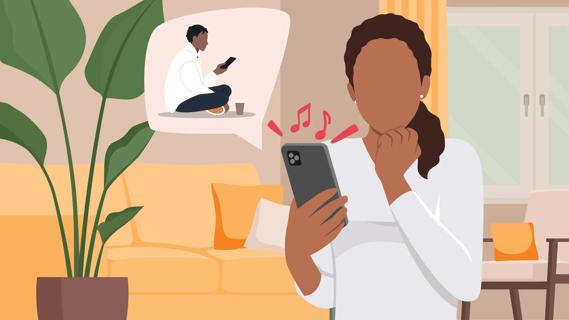
When someone guilt trips you, they’re using emotionally manipulative behavior to try to get you to act a certain way
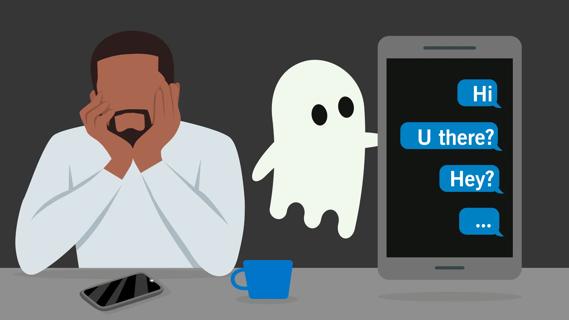
This behavior is usually a sign that the other person doesn’t know how to handle conflict or is prone to being passive-aggressive

It can be harder to let go when you’ve invested time, energy and emotions — but it might be the healthier choice long term

Managing your weight through physical activity may lower your chances of getting this common cancer

It typically starts in October and winds down in early spring, with cases at their highest in the middle of winter

Anxiety disorders, health conditions and past trauma can make driving nerve-wracking — help is available
 Search










