Locations:





From sauerkraut to kimchi, these foods help keep your gut healthy

Image content: This image is available to view online.
View image online (https://assets.clevelandclinic.org/transform/d7c2da01-8f19-4bea-beaa-753b5d04ea1e/kimchi-513109340-770x533-1_jpg)
Kimchi in a bowl.
Trillions of bacteria live in your intestines — but don’t be grossed out! Many of them are “good” bacteria that help keep us healthy.
Advertisement
Cleveland Clinic is a non-profit academic medical center. Advertising on our site helps support our mission. We do not endorse non-Cleveland Clinic products or services. Policy
Think of it like having pets living inside of you. And, as with any pets, you’ve got to feed them. Gail Cresci, PhD, RD, who studies gut bacteria, says a modern Western diet heavy on processed foods can upset the balance of your gut microbiota, which can lead to unpleasant gastrointestinal symptoms.
Fermented foods can help. Dr. Cresci explains a few reasons why bringing back traditional fermented foods, such as fermented sauerkraut or pickles, into your diet is good for optimal health.
Good bacteria help break down complex carbohydrates that you eat. This fermenting and metabolizing process results in other substances that are beneficial to your body, too.
To support a healthy balance of gut bacteria, you need plenty of soluble fiber from foods like beans, oats and oranges. Insoluble fiber, found in many whole grains, is good for you too. But it’s not easily fermented, so it doesn’t do much to grow your gut’s microbial variety.
Every day, you swallow pathogenic (disease-causing) bacteria. You don’t always get sick from it, though, because your tiny microscopic helpers take care of it. Good bacteria create acidic fermentation byproducts that lower your intestine’s pH, decreasing the chance that bad bacteria can survive. They also compete for food supply and squatting rights on your intestinal lining. Plus, they secrete antimicrobial proteins that kill off bad bacteria.
Advertisement
Good bacteria are to thank for synthesizing, or producing, many vitamins your body needs. That list includes vitamins B1, B2, B3, B5, B6, B12 and K.
Tiny bacteria in your intestine have full-body effects. Research shows that a less varied gut microbiota is linked to chronic conditions like obesity, asthma and inflammatory bowel disease. Research is still ongoing into why this is the case.
Ever had diarrhea or other digestive problems after taking antibiotics? That’s because they wipe out both good and bad bacteria. Eating fermented foods may help restore your gut bacteria to normal. Be sure to eat a diet high in fiber and plant-based foods, which gut microbes flourish on.
Mix and match these gut-healthy foods for optimal benefits.
Advertisement

Sign up for our Health Essentials emails for expert guidance on nutrition, fitness, sleep, skin care and more.
Learn more about our editorial process.
Advertisement

This caffeinated South American tea contains antioxidants and other nutrients that may offer some health benefits
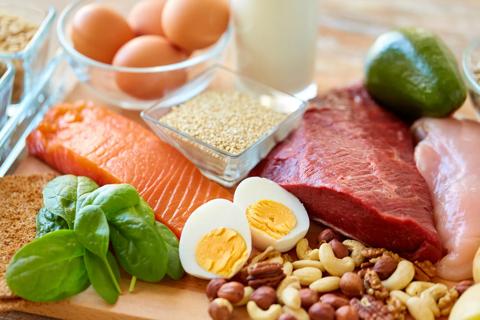
Lean meats, fish, dairy and plant proteins can help you meet your protein needs without piling on saturated fat and sugar
Protein is essential in your diet, but piling more onto your plate isn’t always better

Choosing snacks with protein can help curb hunger, support muscle health and keep your energy steady between meals

Fish packs plenty of protein, heart-healthy fats and other body-boosting nutrients into every bite

Both are healthy choices, but wild-caught salmon offers a few more benefits
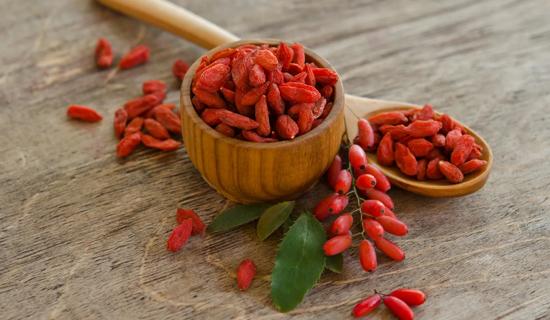
These bright berries are packed with nutrients and antioxidants that may support your eyes, immune system and overall well-being

Prepping ingredients ahead of time, rethinking your snacks and making smart protein swaps can up your daily intake

Rapid weight loss can cause loose skin, facial volume loss and body contour changes

Swallowing too much air, certain foods and drinks, and digestive conditions can all make you belch more
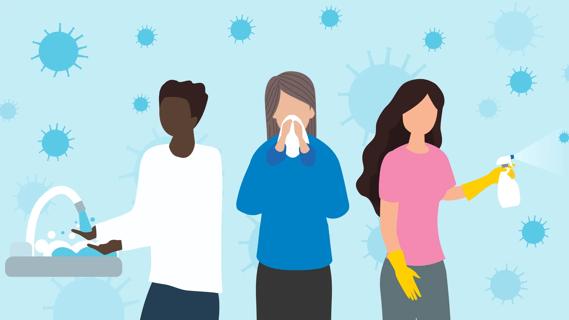
From poor hand hygiene and ventilation issues to contaminated food, many factors can make infectious diseases spread quickly
 Search










