Locations:





 Search
Here’s how faux meat products stack up

Image content: This image is available to view online.
View image online (https://assets.clevelandclinic.org/transform/0ef2474d-945b-4535-b682-14bee7efae5e/meatSubstitutesTofuBeans-516425154-770x533-1_jpg)
some meat substitutes are tofu and beans
Veggie burgers aren’t just for vegetarians anymore.
Advertisement
Cleveland Clinic is a non-profit academic medical center. Advertising on our site helps support our mission. We do not endorse non-Cleveland Clinic products or services. Policy
Cruise down the refrigerated and frozen aisles of the grocery store and you’ll see all kinds of packaged meat alternatives, from standard bean-based veggie burgers to “chicken” nuggets to vegan bacon.
There’s also a new generation of faux meat products that are highly processed to mimic the look, flavor and texture of the real thing (some even “bleed” like a burger or piece of steak would).
For anyone who’s looking to pare back their meat consumption, these products can help ease the transition. But just because a product is vegetarian or vegan doesn’t necessarily mean you should think of it as health food that belongs on your plate every day, says registered dietitian Camille Skoda, RDN, LD.
Here’s her advice for picking the best meat substitutes.
While good-quality meat can provide your body with a plethora of different vitamins, minerals and nutrients, plant-based proteins have their own unique set of benefits, Skoda says.
“Having one meatless meal per day, or one meatless day in a weekly, can help you to diversify your diet, add fiber, and include other sources of protein,” she says.
Whole-food sources of plant protein, such as beans, lentils, nuts, seeds and whole soy, provide fiber and prebiotics to help your gut stay health. They also contain sustainable carbohydrates and healthy fats that can help balance blood sugars, Skoda adds.
Studies have also linked plant-based diets with lower risk of cardiovascular disease and other health benefits.
Advertisement
While many packaged meat substitutes are made with healthy, whole-food plant proteins and ingredients, not all of them are. That’s why it’s important to flip over the box and see what’s in one before you buy it.
“Some of these products have added preservatives, sugars, inflammatory oils or other ingredients that we don’t want,” Skoda says.
Before snatching up that meatless chorizo, she recommends considering your personal dietary needs and looking at:
Packaged plant-based products that imitate beef, chicken and pork may be a convenient 1:1 substitute at your next cookout, but there are plenty of other plant proteins that can be easily incorporated into your everyday diet.
Consider swapping out the meat in a recipe for:
Whether you’ve recently cut out meat from your diet or are just trying to eat less of it, plant-based proteins can help fill the void.
Advertisement
Advertisement

Sign up for our Health Essentials emails for expert guidance on nutrition, fitness, sleep, skin care and more.
Learn more about our editorial process.
Advertisement
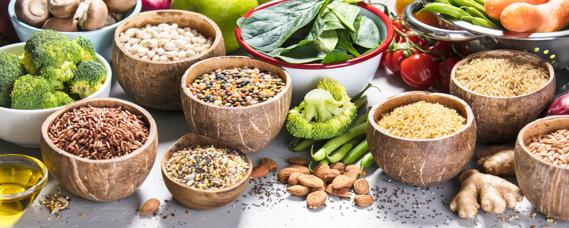
Eating more legumes, fruits, vegetables, nuts and whole grains can help you meet your daily fiber goals
From protein to phytoestrogens, soy milk offers health benefits that many plant milks don’t

This fruit (not veggie!) is good for your cholesterol, blood sugar, gut and bones
This amino acid is touted for relaxation and mental clarity, but current research remains inconclusive
This nutrient-rich fruit offers a surprisingly long list of potential health benefits, like lowering blood sugar and boosting brain health
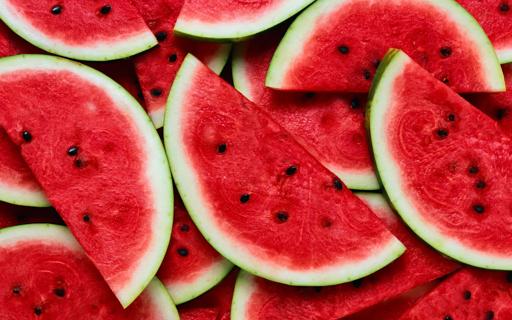
Packed with vitamins and nutrients, watermelon can be enjoyed all year ’round

With a sweet, tangy flavor, this tropical fruit is versatile, nutrient-rich and full of antioxidants
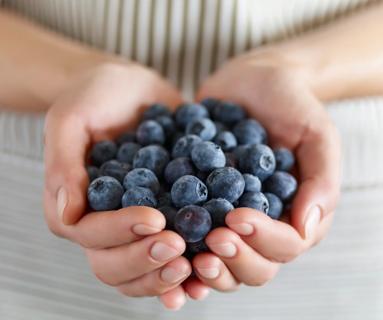
These versatile little fruits are full of powerful antioxidants that can help fight cell damage, manage cholesterol, boost body functions and more

Simplifying choices, a reassuring attitude and avoiding information overload can help you overcome indecision

Nicotine and other lingering chemicals from smoking can harm people who don’t smoke, including children

The research is mixed, but experts agree: The risks outweigh the benefits











