Locations:





These tasty little fruits can help fight inflammation, improve digestion and stabilize blood sugar
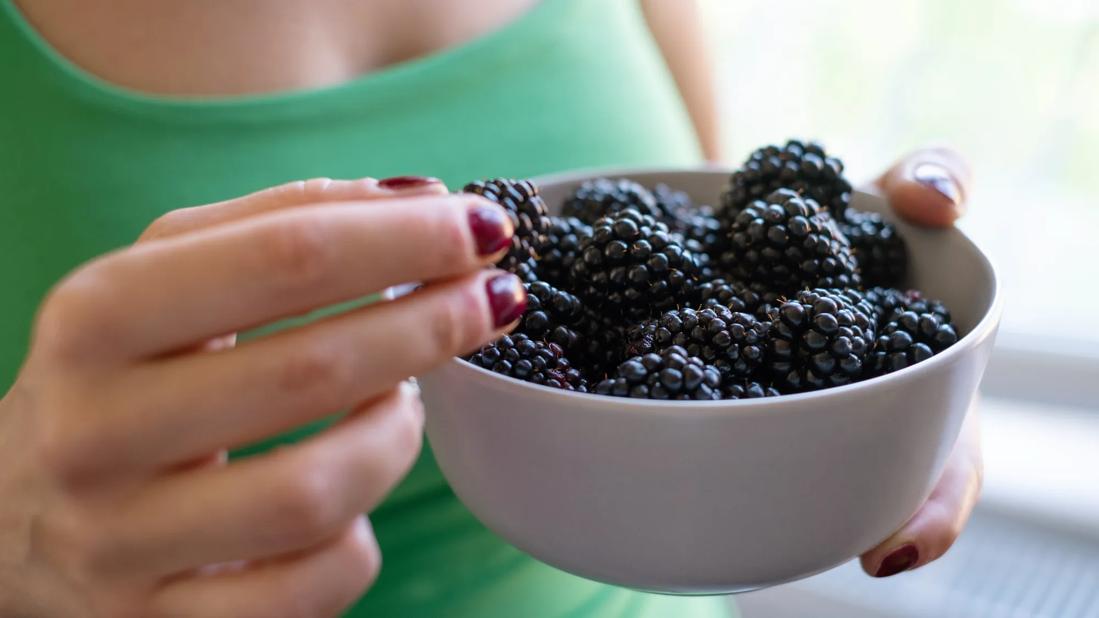
Image content: This image is available to view online.
View image online (https://assets.clevelandclinic.org/transform/3e0b449f-0fe2-4e36-af6c-5d5a039c1e26/blackberries-1329945970)
Person holding bowl full of blackberries
Blackberries used to be considered a seasonal delight. But these days, you can usually find them in grocery stores year-round. They’re sweet, tart and healthy — but what sort of nutritional benefits are they packing, exactly? Registered dietitian Julia Zumpano, RD, LD, shares the details.
Advertisement
Cleveland Clinic is a non-profit academic medical center. Advertising on our site helps support our mission. We do not endorse non-Cleveland Clinic products or services. Policy
These succulent little berries are packed with vitamins, minerals, fiber and antioxidants. One cup of blackberries contains:
It also provides these nutrients:
“All of these nutrients are essential for good health,” says Zumpano. “And research studies show that antioxidants may reduce inflammation and prevent many diseases, including cancer.”
So, why else should you add these little berries to your regular rotation? Zumpano explains some blackberry benefits.
“Blackberries are an excellent source of vitamin C, vitamin K and manganese, which your body depends on to carry out some especially important functions,” Zumpano says. Let’s take a look:
All three also act as antioxidants, which means they help combat unstable oxygen molecules that can cause cell damage.
Advertisement
One of blackberries’ main claims to fame is that they’re bursting with strong antioxidants called polyphenols — nutrients in plants and plant-based foods that help your body manage inflammation and protect from oxidative stress. Blackberries are especially full of anthocyanins.
Inflammation is your body’s way of responding to things it perceives as an attack — like stress, illness and certain lifestyle factors. Over time, this inflammation can lead to chronic illnesses, like Type 2 diabetes, heart disease and more.
“Certain foods can help suppress your body’s inflammatory response, which helps decrease inflammation,” Zumpano explains. “A diet rich in antioxidants like anthocyanins can help reduce or ward off inflammation.”
Blackberries contain nearly 8 grams of fiber per cup, helping you hit your daily goals to stay healthy. Fiber is a type of complex carbohydrate that your body can’t digest — and that’s actually a good thing when it comes to your gut health.
“The type found in blackberries, which is mostly in the seeds, is primarily insoluble fiber,” Zumpano explains. “It passes through your digestive system and keeps food and waste moving through your body, which helps prevent constipation and bloating.”
There’s another type of fiber in blackberries, too: soluble fiber, which dissolves in your gut and can enter your bloodstream. This type of fiber helps lower LDL cholesterol, aka “bad” cholesterol.
“It works by binding to bile in the digestive tract and removing it from the body as waste, which in turn helps reduce circulating cholesterol levels,” Zumpano says.
Blackberries rank a low 25 on the glycemic index, meaning they cause a slow, steady rise in blood sugar rather than a rapid spike. This makes them a smart choice for your blood sugar levels.
“In general, berries are high in fiber and low in sugar,” Zumpano shares. “That combination helps to stabilize blood sugar and keep you feeling fuller for longer.”
The pigments that give blackberries their color (there’s those anthocyanins again) may play a role in fending off conditions that affect your heart and blood vessels.
One of the main drivers of cardiovascular disease is atherosclerosis, which is when plaque builds up inside your arteries. Over time, this buildup can cause:
“Plaque formation is usually a result of high cholesterol, high blood pressure and inflammation,” Zumpano says. “The direct effect of anthocyanins on blood pressure is still being studied, but research suggests they may help improve cholesterol levels and reduce inflammation. Those are both key factors in cardiovascular health.”
Advertisement
Inflammation in the brain can impair cognitive function — but anthocyanins may help reduce inflammation. Studies show they may:
Research is still evolving, but anthocyanins, like the ones found in blackberries, may slow or stop cancer in several ways. Studies so far suggest they could:
Experts recommend eating about two servings of fruit per day, and a serving of blackberries can certainly fit the bill. One cup usually comes out to about 15 or 16 individual berries, depending on their size.
You don’t need us to tell you how to enjoy these fabulous fruits. After all, they’re perfect for popping straight out of the package (after washing, of course!). But if you’re looking for other options, try blending them into a smoothie, plopping them atop a salad or turning them into a berry chia seed jam that you can spread on ... well, just about anything.
“Blackberries are a great addition to any balanced diet,” Zumpano confirms. But she adds one important caveat: “It’s also good to mix things up so that you’re taking in a range of nutrients and antioxidants. Try to span the rainbow with your fruit and vegetable choices.”
Advertisement
Advertisement

Sign up for our Health Essentials emails for expert guidance on nutrition, fitness, sleep, skin care and more.
Learn more about our editorial process.
Advertisement
This East Asian and subtropical fruit is packed with delicious nutrition
Lean meats, fish, dairy and plant proteins can help you meet your protein needs without piling on saturated fat and sugar
This citrus fruit delivers vitamin C, fiber and other nutrients that can support your heart, immune system and skin
Protein is essential in your diet, but piling more onto your plate isn’t always better
Fish packs plenty of protein, heart-healthy fats and other body-boosting nutrients into every bite

Both are healthy choices, but wild-caught salmon offers a few more benefits

This vibrant purple yam offers vitamin C, fiber and antioxidants in every bite
These bright berries are packed with nutrients and antioxidants that may support your eyes, immune system and overall well-being

Managing your weight through physical activity may lower your chances of getting this common cancer

It typically starts in October and winds down in early spring, with cases at their highest in the middle of winter

Anxiety disorders, health conditions and past trauma can make driving nerve-wracking — help is available
 Search










