Locations:





It can help reduce exposure to allergens, but don't expect it to solve allergy or asthma issues
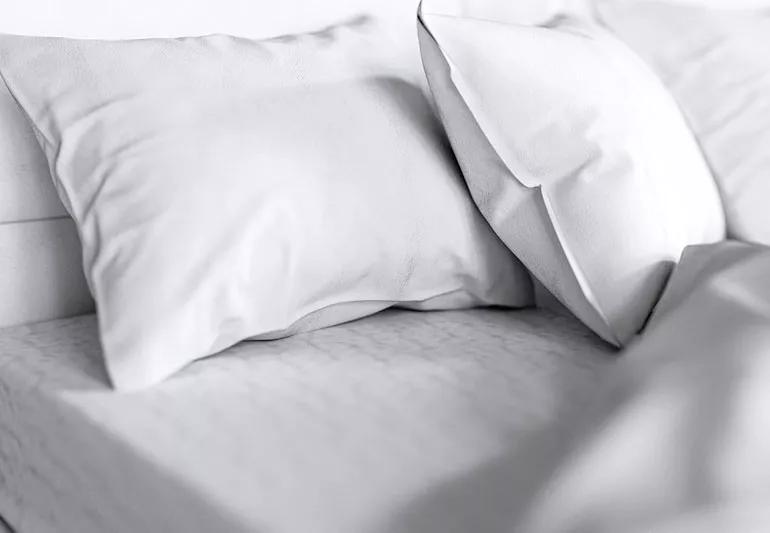
Image content: This image is available to view online.
View image online (https://assets.clevelandclinic.org/transform/028d6f81-8aa9-44f7-989e-a262760a56af/hyperallergenicPillowsMattress-1271280895_770x533_jpg)
hyperallergenic pillow mattress cover
Remember how you used to worry about monsters lurking under your bed? Well, it turns out you may have been onto something.
Advertisement
Cleveland Clinic is a non-profit academic medical center. Advertising on our site helps support our mission. We do not endorse non-Cleveland Clinic products or services. Policy
Beds and bedrooms serve as a prime stomping ground for allergens such as dust mites, pet hair and mold. These hidden irritants can make your life miserable ― especially if you have asthma or allergies.
But fear not! Hypoallergenic beddings and other measures can help tame those bedroom monsters. For more, let’s turn to pediatric immunologist John McDonnell, MD.
Video content: This video is available to watch online.
View video online (https://cdnapisec.kaltura.com/p/2207941/sp/220794100/playManifest/entryId/1_z5587hin/flavorId/1_5f3sgelj/format/url/protocol/https/a.mp4)
Think your house is so clean that it’s allergen-free? Think again.
Researchers who examined dust vacuumed off thousands of bedroom floors found at least one common allergen in more than 99% of the samples. Nearly 75% of bedrooms had three to six allergens detected.
“It’s not a cleanliness issue, either,” says Dr. McDonnell. “No matter how much you scrub and clean, odds are there will still be allergens hanging around somewhere in your bedroom and house.”
So, what might be skulking on your bedroom floors? The eight most common allergens are linked to:
Here’s a disturbing fact: You never truly sleep alone. Your mattress may house anywhere between 100,000 and 10 million microscopic dust mites, according to some estimates.
And here’s another tidbit that may keep you up tonight: If your pillow is at least two years old, roughly 10% of its weight may come from dead dust mites and dust mite poop. (Ewwwww, right?)
Advertisement
It seems that dust mites simply love the warm and moist environment that exists on your mattress and pillow, notes Dr. McDonnell. Plus, the setting is basically a buffet, as dust mites feed on skin flakes we shed.
(Gross side note: The skin cells you drop in a day can feed 1 million dust mites.)
We share these horrors to set up this fact: Hypoallergenic bedding is designed to stop dust mites from moving around so freely. This special bedding (such as mattress covers) acts as a physical barrier that serves several roles:
The answer is yes … with an asterisk.
Research shows that using hypoallergenic mattress covers, pillow covers or blankets is an effective way to reduce your exposure to those dust mites. That’s welcome news, as the idea of those little insects roaming around is pretty creepy.
The problem? While exposure to dust mites declined, allergy symptoms didn’t significantly improve for participants. (Those findings mirrored others, too.)
“There are benefits to using hypoallergenic bedding,” says Dr. McDonnell. “But don’t expect these products to solve all of your problems. They might help a little, but only doing that isn’t going to make much of a difference.”
As noted above, allergens are tough to eliminate from your home. But there are things you can do to minimize allergens in your bedroom (and home) if they’re causing you trouble, says Dr. McDonnell.
Here are 10 suggestions:
Advertisement
Why is addressing bedroom allergens so important? Well, it comes down to time.
“You spend a lot of hours in your bedroom,” says Dr. McDonnell. “When you’re sleeping, your immune system doesn’t get a free pass. It’s still dealing with allergens. Your body is still responding to them.”
So, if you want to rest and breathe easier, take care of those bedroom “monsters” that you always knew existed.
Advertisement

Sign up for our Health Essentials emails for expert guidance on nutrition, fitness, sleep, skin care and more.
Learn more about our editorial process.
Advertisement

Autumn allergens typically begin to bloom — and release their pesky pollen — around August
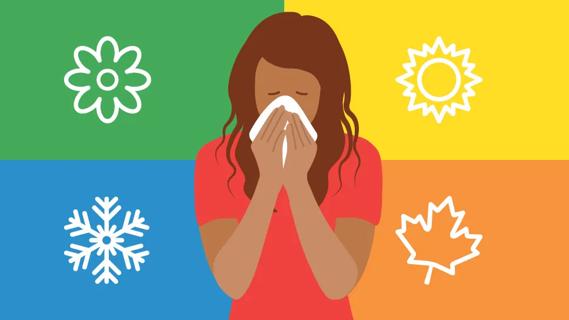
Aging, time of day, time of year and weather patterns can all make your allergies worse

Drowsiness can be a side effect of inflammation, disrupted sleep and, sometimes, your allergy medicine
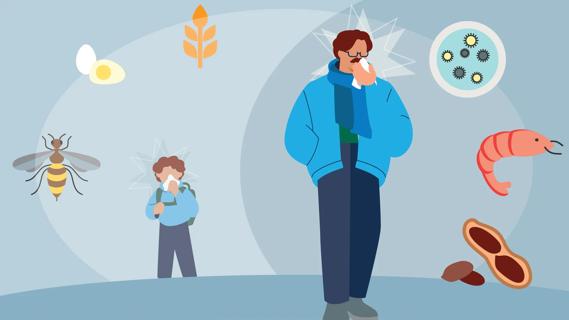
Changes in your immune system, environment and exposure can all cause allergy symptoms to fade with time

The research is mixed, but experts agree: The risks outweigh the benefits

Keeping your windows closed, showering before bed and using OTC allergy meds may help keep summer sniffles at bay
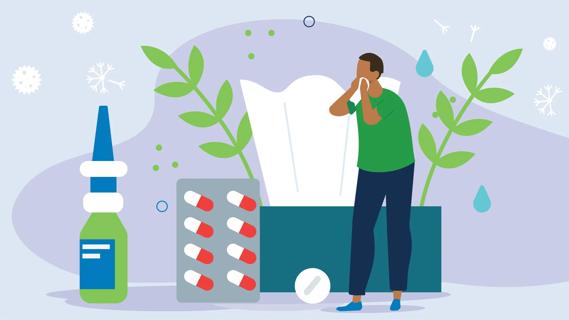
The right choice for you depends on your symptoms, but options like nasal sprays and antihistamines can offer relief
When your allergies flare up depends on your location, immune health, personal triggers and more

Rapid weight loss can cause loose skin, facial volume loss and body contour changes

Swallowing too much air, certain foods and drinks, and digestive conditions can all make you belch more
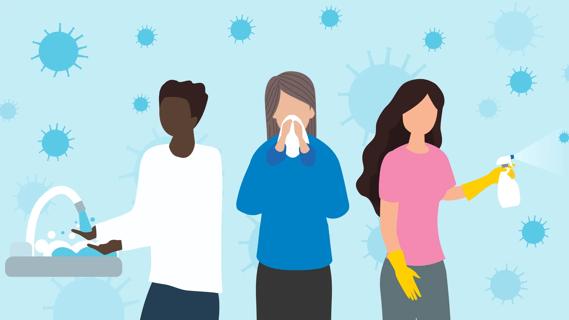
From poor hand hygiene and ventilation issues to contaminated food, many factors can make infectious diseases spread quickly
 Search










