Locations:





To help yourself heal, prepare your home for recovery ahead of time and tend to your physical and mental health

Image content: This image is available to view online.
View image online (https://assets.clevelandclinic.org/transform/3bc920a7-869d-445a-a3fe-76502fc1d164/husband-comforts-wife-home-1902114137)
Man comforts upset woman sitting on couch
A mastectomy is more than just a surgery — it’s a major physical and emotional milestone. Your care team will guide you through the medical details, but there are many things you can do ahead of time to help you feel prepared for and aid in your healing.
Advertisement
Cleveland Clinic is a non-profit academic medical center. Advertising on our site helps support our mission. We do not endorse non-Cleveland Clinic products or services. Policy
Breast surgical oncologist Regina Matar-Ujvary, MD, shares suggestions for how to ready yourself for your upcoming mastectomy.
Knowing what will happen before, during and after surgery can help you feel more reassured and confident in the process.
“Don’t be afraid to ask any questions or voice any concerns beforehand with your doctor or other members of your care team,” Dr. Matar-Ujvary encourages. “We want to make sure you have all the information you need.”
They may give you materials to read before surgery, too, like handouts that outline procedures and processes at the hospital where your surgery is being done (like arrival time and insurance coverage). Take your time reading through everything. And if something doesn’t make sense, bring those questions directly to your care team.
There are a few things you can do for your body before surgery to help you keep up your strength and improve your body’s ability to heal later:
Advertisement
Learning how to calm your sympathetic nervous system can help foster a relaxed, calm state — one that may literally help your body heal.
“Practicing relaxation techniques before your surgery may help improve your post-operative period,” Dr. Matar-Ujvary says. This may include:
A review of studies found that such practices may help relieve both anxiety and pain.
If you need additional resources to support you through these stressful times, ask your provider to recommend support groups and breast psychologists that may be helpful.
After surgery, you’ll have some limited mobility, and you’ll have some pain and discomfort to manage. “To help you heal, take time beforehand to make your home as comfortable and accessible as possible,” Dr. Matar-Ujvary advises.
Here are some steps to take ahead of time:
Recovery is easier when you’re not scrambling for help. Before surgery:
Ask your care team what else they recommend.
Most people go home the day of surgery. But if you’ll need to stay overnight, pack a bag with clothing that won’t irritate your incisions — like flowy, open-front tops (think zip-ups and button-ups; nothing you pull on over your head) and soft, loose-fitting pants.
Don’t forget about:
Your care team will tell you what to do (and what to avoid) in the 24 hours or so before your surgery.
“You won’t be able to eat or drink anything, including water, for a certain period of time before surgery,” Dr. Matar-Ujvary says. “This is a safety precaution to prevent aspiration during surgery itself and to reduce the chances of nausea and vomiting right after surgery.”
Advertisement
They’ll also tell you what hygiene products to avoid, like deodorant and lotions, and whether you need to abstain from medications before surgery.
Your recovery time will vary depending on the type of mastectomy you have. But the healing process starts as soon as you leave the operating room. Before you go home, make sure you know who to contact if you have follow-up questions or concerns.
“Your care team will show you how to care for your incision sites and empty and record surgical drain output,” Dr. Matar-Ujvary says. “They’ll also share any other important information. And this is the time to ask any questions you have about aftercare and recovery.”
Here’s a look at some of the aspects of recovery after a mastectomy.
While in the operating room, your surgeon will put in temporary surgical drains, which usually stay in place for one or two weeks. They prevent fluid from building up underneath the mastectomy flap.
Before you leave the hospital, a nurse will go over instructions on how to manage and take care of your drain
“The most important thing is making sure that you record the drain output, or how much fluid they collect,” Dr. Matar-Ujvary says. “Once that number is low enough, your surgeon will determine when it’s ready for the drains to be removed.”
Advertisement
It’s normal to experience some soreness, swelling and bruising after surgery. Your care team will prescribe medications to help you manage your pain at home. They may also recommend relaxation practices, like deep breathing, to help relieve tension.
“In addition to general post-operative pain, you might feel tightness in your chest or some nerve pain,” Dr. Matar-Ujvary says. “These both typically improve over time and with range-of-motion exercises.”
But if your pain feels unmanageable or is getting worse, it’s important to touch base with your care team.
Rest is an important element of recovery. Your care team will talk to you about your limitations after surgery, including how much you can lift and any movements to avoid.
“We typically recommend that you avoid heavy lifting or strenuous activity for about six weeks after the operation,” Dr. Matar-Ujvary says.
But they’ll also talk to you about what type of movement you should do while you recover — like light walking, which can help relieve stiffness and increase endurance. They’ll teach you some gentle stretches and exercises designed to:
Advertisement
“If you notice any problems with motion restrictions or limited strength, talk to your surgeon,” she advises. “They can refer you to physical or occupational therapy to help with range-of-motion exercises and prevent stiffness.”
Your healthcare team will schedule a follow-up appointment about one to two weeks after your surgery. It’s important to attend this and all follow-up visits. But reach out to your care team sooner if you have symptoms of an infection, like:
Keep an eye out for other concerns, too, like:
“Your surgeon will help monitor these symptoms and can refer you to a breast physical therapist or a lymphedema specialist as needed,” Dr. Matar-Ujvary says. “They can help prevent it from becoming a further problem.”
When you have cancer, it’s common to feel anxious, sad and overwhelmed (among other feelings) about what you’re going through.
To care for your mental health during cancer treatment, seek support from loved ones, support groups and online resources. Consider speaking with a therapist, too — especially one who specializes in working with people who are going through breast cancer treatment.
“After surgery, healing involves caring for both your body and your mind,” Dr. Matar-Ujvary emphasizes. “If you’re having trouble with either, don’t hesitate to talk to your care team. We’re here for you through every step of the process.”

Sign up for our Health Essentials emails for expert guidance on nutrition, fitness, sleep, skin care and more.
Learn more about our editorial process.
Advertisement
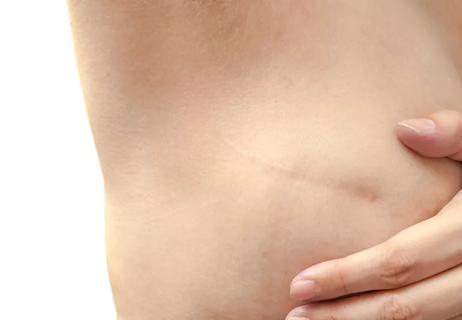
Work with your doctors to find the best approach for breast reconstruction

Managing your weight through physical activity may lower your chances of getting this common cancer
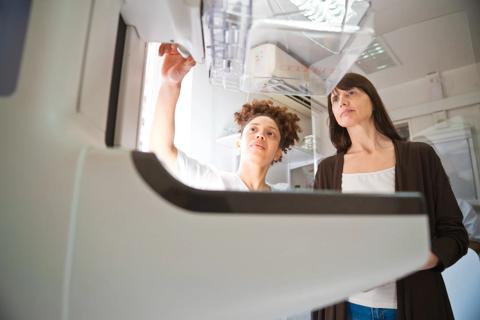
Not all breast lumps signal cancer, and not all breast cancer causes lumps — it’s important to know the facts

BRCA1/2 gene mutations can raise your risk for breast, prostate and other cancers — genetic testing can help you take proactive steps
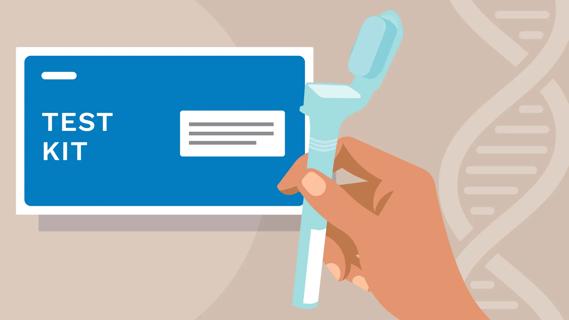
If you’re of Ashkenazi Jewish descent, these tests may be a reasonable starting point — but more thorough genetic testing can go much deeper

Breast cancer treatments can lower estrogen, which has a ripple effect on your bones

Breast cancer treatments can lower your fertility, but egg freezing and other preservation measures may be an option

The process can range from six months to more than a year, depending on whether you have immediate or two-stage reconstruction
Managing your weight through physical activity may lower your chances of getting this common cancer

It typically starts in October and winds down in early spring, with cases at their highest in the middle of winter

Anxiety disorders, health conditions and past trauma can make driving nerve-wracking — help is available
 Search










